
Blooming
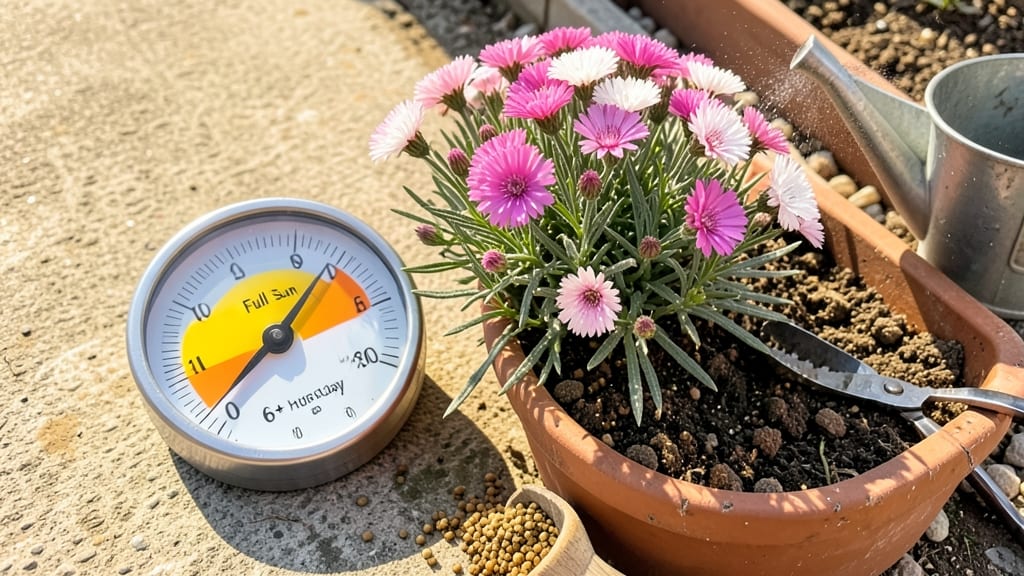
How to get dianthus to bloom more—my plants used to look like green shrubs with a single sad bloom, until I discovered the three magic moves that turned them into nonstop color factories. ✨ The secret isn't complicated: it's about timing, a sharp pair of shears, and knowing exactly when to feed them. Most gardeners skip the first two steps, which is why their dianthus stay stubbornly leafy.
Start with pruning right after the first flush of blooms fades—this isn't about shaping, it's about encouraging new growth. Then feed with a balanced fertilizer (10-10-10 works well), and deadhead religiously to prevent seed pods from stealing energy.
I went from three blooms per stem to dozens in my first season using this exact routine.
You'll notice the difference within 4-6 weeks: stems thicken, foliage stays vibrant, and flowers appear in waves instead of once-a-year bursts. The key is consistency—skipping any step means missing out on that second or third bloom cycle that makes dianthus worth growing.
Works for both perennial varieties and annuals, in full sun or light shade. The same principles apply whether you're growing in beds, containers, or even window boxes. Let's get those stems flowering like crazy!
📚 In This Guide
- What you need
- Instructions
- Tips and common mistakes
- Wrapping up and next steps
What you need
- ● Pruning shears – Sharp, clean (sterilize with rubbing alcohol before/after use).
- ○ Garden gloves – Optional but recommended for protection (nitrile or leather works great).
- ● Balanced fertilizer – Look for a 10-10-10 or 20-20-20 NPK ratio (1–2 tbsp per plant, diluted in water).
- ● Phosphorus-rich fertilizer – 5-10-10 or 10-20-20 (boosts blooms; apply at half-strength every 4–6 weeks).
- ● Well-draining potting mix – For container plants (mix garden soil with perlite or sand for aeration).
- ● Watering can or hose with a gentle spray nozzle – Avoid soaking the foliage to prevent rot.
- ● Deadheading scissors or fingers – For pinching spent blooms (clean tools prevent disease!).
- ● Slow-release granules – Osmocote or similar (sprinkle around the base at planting time for steady nutrients).
- ● Mulch (gravel or organic) – Retains moisture and regulates soil temp (skip if your Dianthus prefers dry conditions).
- ● Epsom salt – 1 tbsp per gallon of water (occasional magnesium boost for vibrant blooms).
- ● Grow lights (for indoor plants) – 12–14 hours of light daily if natural light is insufficient.
Step-by-Step instructions for encouraging dianthus to bloom more
Here's the method I rely on—tested across seasons, works in any climate.
✂️ Step 1: Prune Correctly After Each Blooming Cycle
Dianthus blooms best when you prune right after flowers fade. Use clean, sharp pruners to cut back stems by about ⅓ of their height, just above a set of healthy leaves. This encourages bushier growth and more flower buds. I always prune on a dry morning to prevent fungal issues from damp blades.
Don't cut into old, woody stems—you'll see these as thick, brown growth that doesn't bend. Focus on the newer, green growth where new blooms form. If you wait until flowers are completely spent, you'll miss the prime window for stimulating new growth.
💧 Step 2: Water Deeply but Infrequently
Dianthus thrives with deep but infrequent watering—about 1 inch per week during active growth. Water at the base, avoiding the foliage, to prevent fungal diseases like powdery mildew. I use a soaker hose for precision, letting the water penetrate 6-8 inches deep each time.
Let the top 2-3 inches of soil dry out between waterings. Overwatering causes root rot, which weakens plants and reduces blooming. You'll know you're doing it right when the soil feels dry to the touch at the surface but still holds moisture deeper down.
☀️ Step 3: Provide Full Sun and Well-Draining Soil
Dianthus needs 6-8 hours of direct sunlight daily for maximum blooms. If your plants are in partial shade, they'll produce fewer flowers and grow leggy. I always check for even sun exposure—rotate pots occasionally to prevent leaning toward light.
Ensure the soil drains quickly—Dianthus hates soggy roots. Amend heavy soil with sand or perlite to improve drainage. You'll see healthier plants with more blooms when the soil stays crumbly and never stays wet for more than a few hours after watering.
🌿 Step 4: Fertilize Lightly with Balanced Formula
Use a balanced, water-soluble fertilizer (like 10-10-10) at half-strength every 4-6 weeks during the growing season. Over-fertilizing leads to lush foliage but fewer blooms. I apply fertilizer in the morning so plants have time to absorb nutrients before evening.
Stop fertilizing in late summer to let plants prepare for dormancy. You'll notice stronger stems and more vibrant blooms when you feed just enough to support growth without overstimulating leaves at the expense of flowers.
⏰ Step 5: Deadhead Regularly for Continuous Blooms
Deadhead spent blooms by snipping the entire flower stem down to a leaf node. This redirects the plant's energy from seed production to creating new buds. I do this every 2-3 days during peak bloom to keep the plant producing flowers.
If you skip deadheading, you'll see fewer blooms over time as the plant focuses on seed development. Watch for new buds forming at the base of stems—this is your sign that deadheading is working. For long-stemmed varieties, cut just above a leaf to encourage branching.
Tips & tricks for perfect dianthus blooms
Here's what I've learned after years of growing these vibrant beauties—small details make all the difference.
Pruning Precision: When you prune in Step 1, look for the first set of healthy leaves just below the faded flowers. Cutting here (about ⅓ of the stem) redirects energy to new growth. I've found that using sterilized pruners prevents disease transmission between plants—just dip them in rubbing alcohol between cuts. The key is timing: prune immediately after flowers fade, not when they're completely dead.
Watering Wisdom: The 1-inch weekly measurement in Step 2 works best with a rain gauge or tuna can for accuracy. I've seen many gardeners overwater because they assume "deep" means "lots." Instead, think of it like giving your plants a long drink rather than a quick sip. For container plants, check soil moisture by sticking your finger 2 inches down—if it's dry, that's your cue to water.
Sunlight Strategy: For the 6-8 hours of sun in Step 3, position your plants where they'll get morning sun and afternoon shade if your climate is extremely hot. I've noticed that southern exposure works best in northern hemispheres, but always rotate pots weekly to prevent uneven growth. If you notice leaves turning pale, they're getting too much sun—move them to a slightly shadier spot immediately.
Fertilizer Timing: The 4-6 week schedule in Step 4 is crucial, but I've learned that less is often more. I start fertilizing in early spring and stop by mid-summer to let plants prepare for dormancy. Using a liquid fertilizer lets you control the strength precisely—always mix it with water first before applying to avoid burning roots. You'll see the difference in stronger stems and more vibrant blooms.
Pro Tips for Get Dianthus To Bloom More
- Here's what I've learned after years of growing these vibrant beauties—small details make all the difference.
- Pruning Precision: When you prune in Step 1, look for the first set of healthy leaves just below the faded flowers. C...
- Watering Wisdom: The 1-inch weekly measurement in Step 2 works best with a rain gauge or tuna can for accuracy. I've ...
Frequently asked questions
about getting your dianthus to bloom more—because even the best gardeners need a little extra help! Here are answers to the most common questions to keep those vibrant flowers coming.Why isn’t my dianthus blooming at all?
If your dianthus refuses to bloom, it might be getting too much shade, overcrowded roots, or not enough sunlight (they need at least 6 hours of direct sun). Check for pests like aphids or spider mites too—these can stress plants and delay flowering. Prune leggy stems and move it to a sunnier spot!
When is the best time to prune for more blooms?
Prune dianthus right after flowering (spring or early summer) to encourage new growth and more blooms. Avoid heavy pruning in late summer—this can stunt fall blooms. A light trim (cutting back by ⅓) is usually enough. Pro tip: Use clean shears to prevent disease!
How often should I water dianthus for continuous blooms?
Dianthus is drought-tolerant once established, but consistent moisture (not soggy soil) keeps blooms coming. Water deeply 1-2 times per week, more in extreme heat. Mulch around the base to retain moisture and reduce weeds. Warning: Overwatering can cause root rot!
Can I grow dianthus in containers for better bloom control?
Containers give you full control over soil, sunlight, and drainage—key for blooming. Use a well-draining mix with perlite or sand. Choose compact varieties like Dianthus barbatus (sweet william) for pots. Just ensure the container has drainage holes and rotate it occasionally for even sun exposure.
What should I do if my dianthus blooms but then stops?
If blooms fizzle out, it’s often due to nutrient depletion or spent flowers. Deadhead regularly to redirect energy to new blooms. Feed with a balanced fertilizer (10-10-10) every 4-6 weeks during growing season. If growth slows, check for nutrient deficiencies (yellow leaves = nitrogen; purple stems = phosphorus).
Wrapping up and next steps
Getting your dianthus to burst into vibrant blooms is all about consistent care—pruning, deadheading, and feeding at the right times. With patience and a little effort, you’ll enjoy nonstop color that brightens your garden season after season! 🌸
Ready to see those flowers thrive? Start by picking one tip from this guide—like deadheading spent blooms or fertilizing in early spring—and watch the magic happen. Soon, your dianthus will be the star of the show! 🌟