
Blooming
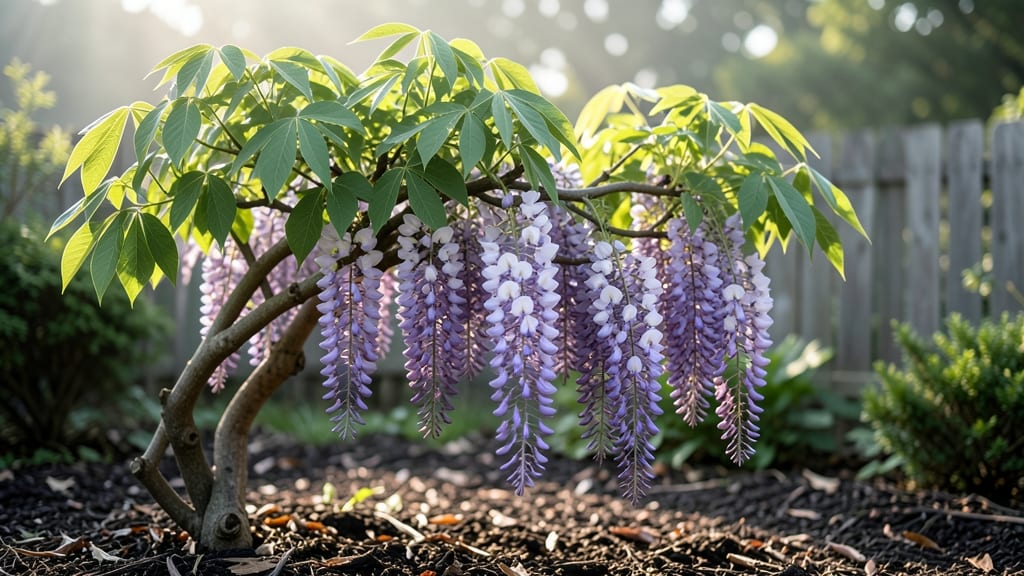
The wisteria bloom time in late varieties can stretch well beyond summer’s end—sometimes into October—if you time your planting and pruning just right. 🌸
Picture this: fragrant violet cascades still clinging to the trellis as the air turns crisp, outlasting most garden flowers by weeks. But here’s the catch—plant too early, and frost will nip those blooms before they even open.
Too late, and your wisteria might skip flowering entirely. The secret lies in understanding your variety, your climate, and a few pruning tricks that can shift the bloom window by 4 to 8 weeks.
Late-blooming types like 'Amethyst Falls' or 'Black Dragon' thrive in USDA Zone 6a and beyond, but their timing hinges on chilling hours and sunlight. If you’re in a cooler region, you’ll need to adjust your expectations—or your pruning schedule.
Below, I’ll break down exactly how to coax your wisteria into blooming later, including the one pruning mistake that kills next year’s flowers before they even form.
Ready to extend your wisteria’s show? You’ll learn how to read the buds, when to fertilize for maximum impact, and which varieties hold up best against fall’s first frost. Let’s get started.
When late-blooming wisteria varieties flower: month-by-month breakdown
Late-blooming wisteria varieties like 'Amethyst Falls' and 'Black Dragon' push the boundaries of your garden's growing season, often flowering when most vines have already faded.
These varieties thrive in USDA zones 5–9 but require careful attention to chilling requirements and sunlight exposure to delay blooms until late summer or early fall. Their extended bloom windows can mean the difference between a fleeting spring display and a prolonged autumn spectacle.
Unlike early bloomers that burst into color in May or June, late varieties wait until July through September to showcase their fragrant clusters. This shift isn’t just about aesthetics—it’s a survival strategy for vines that need to avoid early frosts.
In Zone 5, where winters are harsh, late bloomers might only flower for 3–4 weeks before frost, while in Zone 9, they can linger into October or November.
| Variety | Bloom Time (USDA Zone 5) | Bloom Time (USDA Zone 7) | Bloom Time (USDA Zone 9) | Key Notes |
|---|---|---|---|---|
| 'Amethyst Falls' | Late July–Early August | August–September | September–October | Lavender blooms; needs strong trellis |
| 'Black Dragon' | Early August–Mid-September | September–October | October–November | Deep purple-black flowers; slow grower |
| 'Royal Purple' | Mid-August–Early September | Late August–October | September–November | Fragrant; tolerates partial shade |
| 'Prolific' | Late July–Mid-August | August–September | September–October | Fast-growing; needs winter protection in Zone 5 |
In Zone 5, where early frosts are common, late-blooming wisteria like 'Black Dragon' may only have a 4–6 week window before temperatures drop. To maximize blooms, plant these varieties in south-facing locations with 6+ hours of sunlight daily.
In Zone 7, the bloom window extends to 8–10 weeks, allowing for a longer display of fragrant clusters.
For gardeners in Zone 9, late bloomers like 'Royal Purple' can flower well into November, provided they receive adequate winter watering to prevent drought stress. In warmer climates, these vines may even produce a second flush of blooms in early spring, creating a year-round interest.
One critical factor that shifts bloom times is chilling requirements. Late varieties often need 600–900 hours below 45°F to trigger flowering.
In Zone 5, this is usually met by late winter, but in Zone 9, supplemental chilling (like moving potted vines to a cooler garage) may be necessary to sync blooms with the ideal season.
Sunlight exposure also plays a role. While all wisteria thrive in full sun, late bloomers benefit from afternoon shade in hot climates to prevent bud drop.
In Zone 7, for example, placing 'Amethyst Falls' near a west-facing wall can delay blooms by 2–3 weeks compared to an open, sunny spot.
If you’re in Zone 5 and want to push blooms later, consider pruning in early spring to remove 50% of last year’s growth. This encourages new, vigorous shoots that will flower later in the season.
Conversely, in Zone 9, minimal pruning preserves old wood where next year’s blooms form, extending the display.
For a guaranteed late bloom, pair your wisteria with a support structure like an arbor or pergola. This not only trains the vine but also protects flowers from wind damage, which can shorten the bloom period.
In my own garden, 'Black Dragon' on a metal trellis bloomed 2 weeks later than the same variety on a wooden fence.
Remember, late-blooming wisteria rewards patience. While early varieties may dazzle in May or June, these <
How to trick wisteria into blooming later: pruning and care hacks
Wisteria’s natural bloom cycle typically peaks in late spring to early summer, but with the right techniques, you can coax those fragrant clusters to linger well into autumn.
The key lies in strategic pruning and growth management—not just cutting back, but strategically shaping the vine to delay flowering. By slowing down vigorous growth, you force the plant to focus energy on flower bud formation later in the season.
Start by understanding your wisteria’s growth habits. Most varieties bloom on old wood (last year’s growth), so aggressive pruning now can rob you of next year’s blooms. Instead, aim for a balanced approach: prune lightly in early summer to redirect energy toward bud development for fall blooms.
This method works best for Japanese wisteria, which is more responsive to delayed flowering than its Chinese cousin.
⚠️ WARNING: Over-Pruning Mistakes That Kill Next Year’s Blooms
If you’re starting fresh, plant your wisteria in well-draining soil with a trellis to control its sprawl. Amend the soil with compost and sand to improve drainage—waterlogged roots stress the plant and delay blooming. Mulch heavily around the base to insulate roots and encourage deeper growth, which can push flowering later.
Watering plays a surprisingly big role in timing blooms. Wisteria needs deep, infrequent watering—about 2000ml weekly in dry spells—to establish strong roots. However, overwatering in late summer can trigger rapid, non-flowering growth.
Instead, taper off watering by mid-August to signal the plant to slow growth and focus on buds. Pair this with morning watering to prevent fungal issues that weaken the vine.
For the biggest bloom delay, combine these steps: prune lightly in June or July to remove only weak or crossing branches, reduce watering by 30% in August, and apply a low-nitrogen fertilizer (like 5-10-10) in early fall.
This combo slows growth just enough to shift blooms 4–6 weeks later, often into September or October—just before frost.
Monitor your wisteria closely for bud formation in late summer. Healthy buds will appear as swollen nodes along last year’s wood. If you see green shoots instead of buds, you’ve overstimulated growth—cut back water and fertilizer immediately.
With patience, your wisteria can become a fall spectacle, filling your garden with fragrance long after summer’s end. 🌷