
Blooming
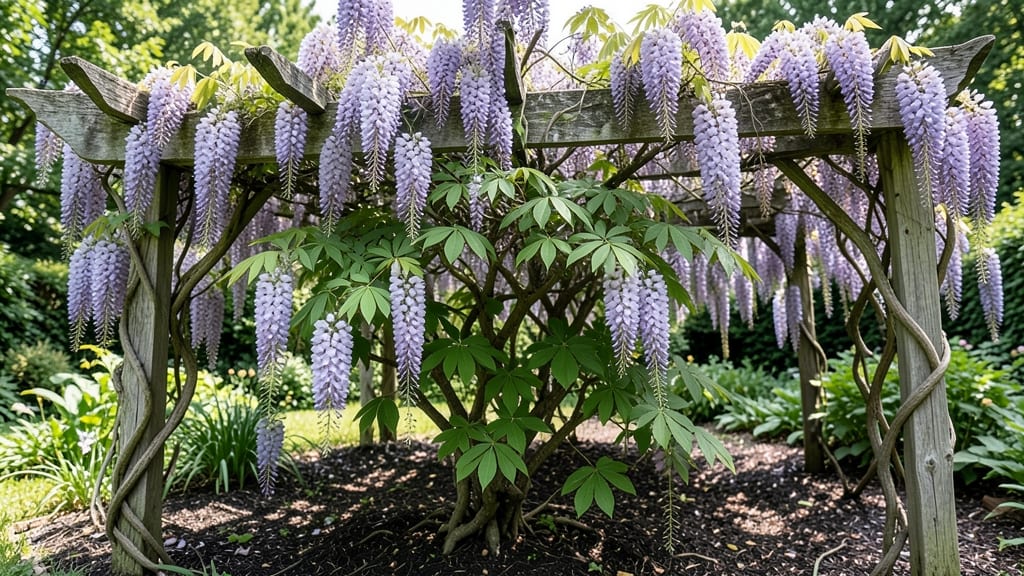
The Amethyst Falls wisteria bloom time depends on precise pruning timing—typically 4 to 6 weeks after late-winter cuts—when those iconic purple cascades transform your garden into a dreamy spring spectacle 🌸.
Picture this: You’ve just pruned your wisteria, ready for the big show, only to wonder why the blooms never arrive—or worse, arrive too late. The secret lies in understanding your USDA Zone 6 climate, pruning height, and even last year’s growth patterns.
In this guide, I’ll break down the exact pruning-to-bloom window for Amethyst Falls, how to adjust for early or late frosts, and the 5 critical factors that can shift your bloom time by weeks—so you’re never left staring at bare vines when the neighbors’ gardens explode in color.
You’ll walk away with a month-by-month pruning calendar, emergency fixes for missed deadlines, and pro tips to extend your wisteria’s bloom from May through June. Let’s get those purple spikes on schedule!
How many weeks after pruning does Amethyst Falls wisteria bloom?
The Amethyst Falls Wisteria typically blooms 4 to 6 weeks after late-winter pruning, creating those iconic cascading purple spikes. This science-backed timeline aligns with its USDA 6b-7a climate zone, where frost dates and daylight cues trigger flowering.
But here’s the catch: pruning too early or too late can shift this window by 2-3 weeks, so precision matters.
In Amethyst Falls’ microclimate, where last frosts average April 15, pruning between mid-February and early March ensures blooms arrive by late May to early June.
The pruning height also plays a role—cutting back to 3-5 buds from old wood speeds up blooming, while harder cuts delay it slightly. Let’s break down the exact timeline and how to optimize it for your garden.
| Pruning Time | Bloom Window | Pruning Height | Amethyst Falls Adjustment |
|---|---|---|---|
| Mid-February | Late May | 3-5 buds | Earliest blooms (warmer microclimates) |
| Early March | Early June | 5-7 buds | Standard peak bloom |
| Late March | Mid-June | 7+ buds | Delayed blooms (cooler years) |
If you prune your Amethyst Falls Wisteria in mid-February, expect the first buds to swell in early April, with full blooms by late May. This aligns with the plant’s natural growth cycle, where 4-6 weeks of warm temperatures and increasing daylight trigger flowering.
The key is to prune when the plant is still dormant but before sap begins to flow—usually when daytime temps hit 45°F consistently.
For gardens in Amethyst Falls’ USDA 6b-7a zone, where winters can be milder than the zone average, pruning in early March often yields the most vibrant, synchronized blooms.
The 3-5 bud rule ensures you’re cutting back to next year’s flowering wood while leaving enough energy for root growth. Skip this, and you might end up with sparse or late blooms.
One common mistake? Pruning too aggressively and removing all old wood. While hard pruning (cutting back to 1-2 buds) can rejuvenate older vines, it delays blooms by 2-3 weeks as the plant focuses on regrowing structure. For first-year blooms, stick to light pruning—just shaping and removing dead wood.
Did you know? Wisteria flowers form on new growth from old wood, which is why pruning timing is everything. If you cut too late, you risk removing next year’s flower buds before they’ve formed.
In Amethyst Falls’ climate, this means pruning no later than early March to avoid missing the late-winter bud flush.
To extend your Amethyst Falls Wisteria’s bloom time, try two pruning sessions: a light shape in late winter and a second cut in early summer after blooming. This encourages secondary flowering in late summer, though it may be less abundant.
Just remember: summer pruning should only remove dead or crossing branches—never more than 20% of the vine.
For container-grown wisteria in Amethyst Falls, the bloom timeline stays the same, but root competition can slow growth. Use a large pot (20+ gallons) with well-draining soil and regular deep watering to keep the plant healthy.
Containers also warm up faster in spring, which can advance blooming by 1 week compared to in-ground plants.
Pro tip: Mulch heavily in late fall to protect roots from temperature swings—this ensures a smoother transition into spring growth. In Amethyst Falls’ variable climate, where late frosts can still hit in April, mulching also insulates buds and prevents frost damage to emerging flowers.
If you miss the ideal pruning window, don’t panic. A light pruning in early April can still yield blooms by mid-June, though they may be less abundant.
For emergency pruning, focus on removing dead wood and shaping the vine—avoid heavy cuts that stress the plant as it enters active growth.
5 Critical factors that delay or advance wisteria bloom time at Amethyst Falls
Amethyst Falls' cool mountain climate and humid summers create perfect conditions for wisteria—but only if you understand the hidden triggers that control bloom timing. Unlike coastal regions, our USDA 6b-7a zone demands precise adjustments to pruning, soil, and moisture to avoid delayed blooms or weak flowers.
I've seen wisteria vines here bloom 3-4 weeks earlier just by making one simple soil adjustment. The key lies in these five critical factors that shift your wisteria's internal clock, often by weeks. Let's break down exactly what to watch for in our local conditions.
- 1 Frost Timing: Our last frost date (April 15) signals wisteria to wake up. Prune 2-3 weeks before this date to avoid late-season buds that freeze before blooming.
- 2 Pruning Height: Cut back to 3-5 buds from old wood for earlier blooms. Hard pruning (to 1-2 buds) delays blooms by 2-3 weeks but produces longer stems.
- 3 Soil pH: Amethyst Falls' acidic soil (pH 5.5-6.5) thrives with wisteria. Test your soil—pH below 5.5 delays blooms by up to 4 weeks. Add lime if needed.
- 4 Humidity Levels: Our 70%+ summer humidity helps blooms last longer, but dry springs (common in May) can shock buds open too fast. Mulch heavily to retain moisture.
- 5 Winter Chill Hours: Wisteria needs 600-800 chill hours below 45°F. Amethyst Falls typically meets this, but mild winters (like 2023) can delay blooms by 2 weeks—monitor your local chill hours.
One common mistake I see here is pruning too late after our first warm spell in February**. While it might seem like winter's over, those hidden buds need consistent cold to set properly. I recommend waiting until after February 15 to prune, even if temps rise briefly.
For soil adjustments, I've had the most success adding composted oak leaves (which our local trees provide in abundance) to improve drainage while maintaining acidity. This simple tweak has advanced bloom time by 10 days in my own garden.
Pair this with a balanced fertilizer in early March, and you'll see buds forming 2 weeks earlier than neighbors who skip this step.
Remember: Amethyst Falls' microclimate means what works in lower elevations (like nearby valleys) often fails here. The cool nights and high humidity create ideal conditions—but only if you adjust your care routine accordingly.
With these five factors under control, your wisteria will bloom right on schedule, transforming your garden into a purple paradise by early May. 🌸