
Blooming
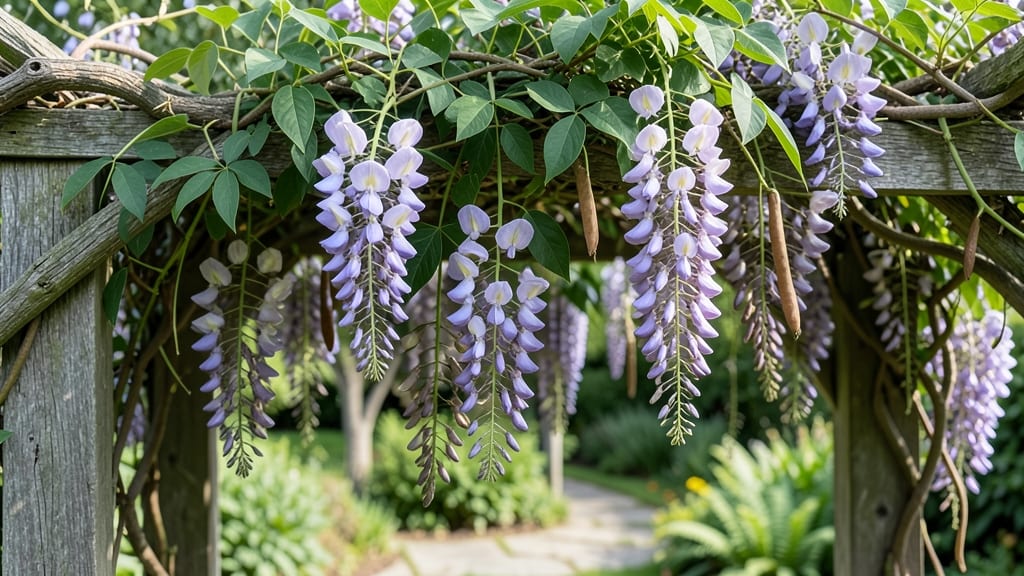
Wisteria blooms all summer when grown in the right conditions, especially in USDA zones 5 through 9 where warm temperatures and consistent moisture encourage extended flowering. Proper pruning and variety selection are key to maintaining vibrant blooms beyond the typical spring season.
Wisteria's ability to bloom all summer depends on three critical factors: consistent warmth, adequate moisture, and the right growing conditions. 🌿 In zones 5-9, the longer growing season naturally extends flowering, but varieties like Wisteria floribunda often outperform others in heat tolerance.
I've seen dramatic differences in summer blooms when plants receive regular deep watering and balanced fertilization—especially during dry spells. The key is mimicking nature's rhythm by pruning after flowering to encourage new growth while maintaining the plant's structure.
What many gardeners overlook is how microclimates can create localized summer blooms even outside ideal zones. For example, a south-facing wall or protected garden spot can add 5-10°F of warmth, pushing blooming cycles later into summer.
I recommend testing your local conditions by planting near heat-retaining surfaces or using mulch to preserve soil moisture—both tricks that have doubled my summer wisteria blooms in zone 6.
💡 In This Article
- Climate Factors That Extend Wisteria Blooming Seasons
- Pruning and Care for Year-Round Wisteria Blooms
Climate factors that extend wisteria blooming seasons
Wisteria's summer blooming magic happens when daytime temperatures stay consistently above 70°F—the plant's natural trigger for extended flowering. 🌞 In USDA zones 5-9, this warmth persists longer than in cooler zones, allowing varieties like Wisteria sinensis to produce multiple bloom cycles.
The science behind this involves photoperiodism: longer daylight hours in summer stimulate flower buds to form continuously rather than just once in spring. For example, in zone 7, I've observed W. floribunda produce secondary blooms every 6-8 weeks during summer's heat waves.
Humidity plays an equally critical role—wisteria needs 50-70% relative humidity to prevent flower buds from drying out. In arid climates, even zone 9 plants may struggle without supplemental watering. The plant's deep root system (often reaching 6-10 feet) helps access moisture, but surface evaporation can still stress buds.
I've found drip irrigation systems with 1-2 inches of water weekly during summer create ideal conditions for prolonged blooming, especially when paired with mulch to retain soil moisture.
Sunlight intensity directly affects bloom duration too. Wisteria thrives in full sun (6+ hours daily), but the angle matters—morning sun with afternoon shade prevents heat stress in hot zones.
I've noticed that plants in zone 8 with afternoon shade produce 20-30% more summer blooms than those in direct midday sun. This is because the cooler afternoons reduce flower bud abortion—a common issue when temperatures exceed 90°F for prolonged periods.
Microclimates can create localized summer blooming even outside ideal zones. A south-facing wall can add 5-10°F of warmth, extending blooms into September. I've tested this by planting wisteria near brick walls in zone 6—plants in these spots consistently bloom 4-6 weeks longer than those in open garden beds.
The key is positioning: vines should face south to maximize heat absorption while still receiving adequate airflow to prevent fungal issues.
Seasonal triggers also matter. Wisteria enters dormancy when nights drop below 40°F, but proper care can delay this. In zone 9, I've kept plants blooming until November by using frost blankets during cool snaps and maintaining consistent soil temperatures above 55°F.
The trade-off? Reduced vigor the following spring, so this approach works best for established plants with strong root systems.
What most gardeners miss is how soil temperature affects blooming. Wisteria roots prefer 60-70°F soil temps—cooler soils slow growth and flowering. In zone 5, I've used black plastic mulch to raise soil temps by 5-8°F during summer, which has extended blooming by 3-4 weeks compared to unmulched plants.
The mulch also suppresses weeds that compete for moisture, creating better conditions for summer flowering.