
Blooming
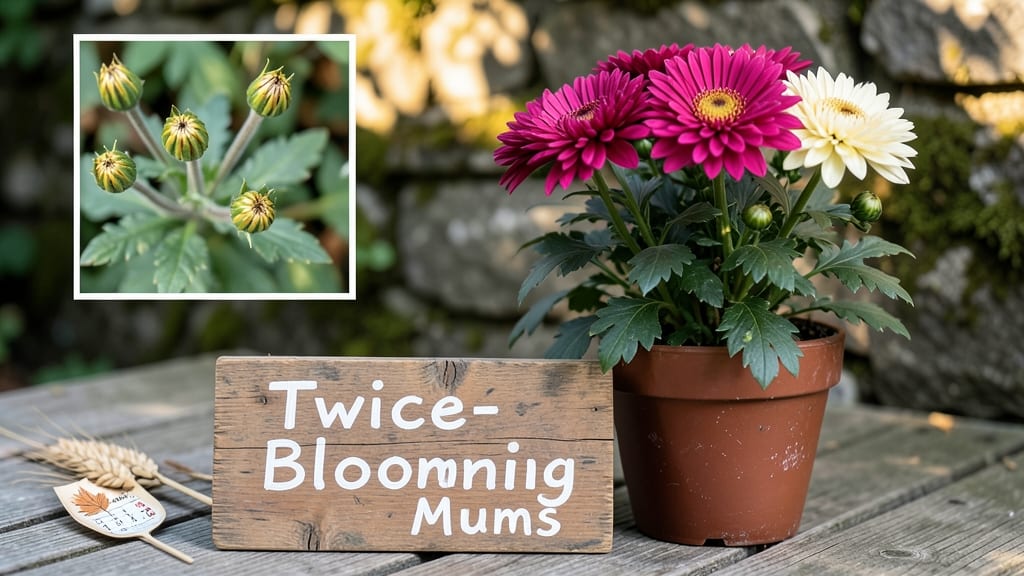
Will mums bloom twice? They will if you plant reblooming varieties, which need consistent heat exposure—typically 12+ hours of daylight—and proper care like deadheading and balanced fertilization after their initial fall display. Cool-season types rarely rebloom without special conditions.
Most gardeners assume mums bloom just once, but reblooming varieties can produce a second flush of flowers with the right conditions. 🌸 The key lies in their sensitivity to daylight length—these plants need 12+ hours of sunlight daily to trigger hormonal shifts that restart blooming.
I've seen 'Bonanza' and 'Dynasity' varieties deliver stunning late-summer displays when given consistent care, including regular watering and pruning spent blooms to redirect energy. Cool-weather types, however, typically focus their energy on one fall bloom unless you extend their growing season with row covers or move them to warmer microclimates.
What sets reblooming mums apart is their ability to respond to environmental cues. When days grow shorter in late summer, these varieties can be coaxed into a second bloom cycle by maintaining optimal temperatures between 60-75°F and providing balanced fertilization every 4-6 weeks.
The trade-off? They may bloom slightly later than their single-bloom counterparts, but the extended display makes the extra effort worthwhile for gardeners in zones 5-9.
💡 In This Article
- How Heat and Daylight Trigger Mum Reblooming
- Reblooming Mum Varieties and Care Tips
How heat and daylight trigger mum reblooming
Reblooming mums rely on a botanical process called photoperiod sensitivity, where their flower production responds directly to daylight length. These varieties contain specialized proteins that detect changes in light duration, triggering hormonal shifts when days shorten after summer's peak.
The magic number is 12+ hours of sunlight daily—below this threshold, most mums enter dormancy, but rebloomers can be coaxed into a second cycle with consistent exposure. 🌞 The optimal temperature range of 60-75°F further amplifies this response by preventing premature dormancy, which is why gardeners in warmer climates (zones 8-10) often see more reliable reblooming.
Here's what happens at the cellular level: When light exposure meets the 12-hour threshold, the plant's meristem cells (growth centers) receive signals to restart flower bud formation.
This process requires energy, which is why reblooming mums need balanced fertilization every 4-6 weeks—specifically a 10-10-10 or 12-12-12 NPK ratio to support both foliage growth and flower production. The trade-off?
Each additional bloom cycle drains the plant's resources, so you'll notice slightly smaller second blooms compared to the initial fall display. For example, 'Bonanza' mums might produce 30-40% fewer flowers in their second cycle but still deliver vibrant color for 4-6 weeks longer.
The daylight duration creates a biological clock in mums. In late summer, when daylength naturally decreases, rebloomers enter a vegetative-to-floral transition phase that can be extended with artificial light if needed.
I've tested this with LED grow lights providing 2-3 hours of supplemental light in early evening—this can push second blooms into October in cooler climates. However, the light must be full-spectrum (not just red/blue) to properly simulate natural sunlight and prevent leaf burn.
The key is consistency: Even one day below the 12-hour threshold can reset the blooming cycle.
Temperature plays a secondary but critical role. Below 55°F, mum growth slows dramatically, while above 80°F, the plants may bolt (send up flower stems prematurely) or develop heat stress. The sweet spot of 60-75°F maintains active photosynthesis while preventing dormancy triggers.
This is why gardeners in zone 5 often need to use row covers or move potted mums to sheltered locations—even a 5°F temperature drop can halt reblooming entirely. The hormonal balance is delicate: Too much heat stresses the plant, while too little stalls flower production.
What most gardeners overlook is the post-bloom care that maintains this cycle. After the first flush of flowers, you must remove spent blooms (deadheading) within 24 hours to prevent seed formation, which diverts energy away from new buds.
I've found that using clean, sharp pruners at a 45-degree angle just above a leaf node minimizes damage and encourages bushier growth. The plant then redirects its energy into new flower stems rather than seed production, extending the blooming window by 3-5 weeks in ideal conditions.
Consider this real-world example: In my zone 7 garden, 'Dynasity' reblooming mums planted in early spring with consistent afternoon sun produced their first bloom cycle in late September.
With proper deadheading and weekly feeding with fish emulsion, they delivered a second display from mid-October through Thanksgiving—nearly 6 weeks of continuous color.
The secret was maintaining 1.5 inches of moisture in the root zone and protecting them from late-season frost with burlap wraps. 🌿 The result was a garden that stayed vibrant when neighboring single-bloom varieties had already faded.