
Blooming
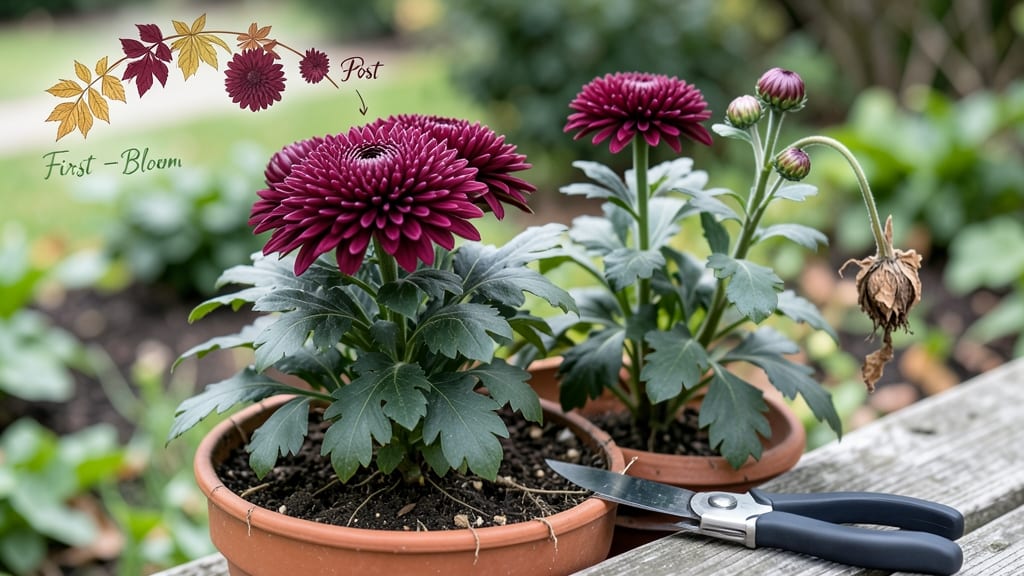
Do mums bloom only once? Not necessarily—reblooming chrysanthemum varieties can produce multiple flower cycles per season with proper care, while traditional mums typically bloom once annually in fall. Light exposure, pruning timing, and fertilizer choices all influence whether your plants will rebloom.
Many gardeners assume mums are one-and-done plants, but the truth is far more exciting. 🌸 Reblooming varieties like 'Dynasity' or 'Jolanda' can keep flowering from early summer through frost with the right conditions—think bright, indirect light and strategic pruning after each bloom cycle.
The key difference lies in their genetic response to daylight: while standard mums wait for shorter days to trigger fall blooms, rebloomers ignore that signal and keep producing flowers when properly maintained.
What makes this possible? It's all about photoperiodism—the plant's sensitivity to daylight hours—and pruning discipline. Cutting back stems just above a leaf node after each flush of blooms removes spent flowers while stimulating new growth.
Pair that with a balanced fertilizer (high in phosphorus for blooms) and you'll extend your mum's show by months. The trade-off? Reblooming varieties often have slightly smaller flowers than their once-a-year counterparts, but the extended display makes it worth it.
💡 In This Article
- How Light and Pruning Trigger Reblooming in Chrysanthemums
- Best Reblooming Mum Varieties and Care Tips for Year-Round Flowers
How light and pruning trigger reblooming in chrysanthemums
The secret to multiple bloom cycles lies in a plant's natural response to daylight—a phenomenon called photoperiodism. Standard mums bloom once in fall because they detect shortening daylight hours (typically 12-14 hours of light) as a signal to flower.
Reblooming varieties, however, have been selectively bred to ignore this cue, continuing to produce buds when given consistent 12-14 hours of bright light daily. This means they'll keep flowering as long as you maintain proper light exposure and remove spent blooms.
Pruning plays an equally critical role. When you see blooms fading, cut stems back to just above a leaf node (the bump where leaves grow). This removes the spent flowers while sending a signal to the plant to redirect energy into new growth.
For reblooming mums, this process should happen every 6-8 weeks throughout the growing season. The key is timing—prune too late in fall, and the plant may enter dormancy before reblooming. The right technique transforms what would be a single fall show into a 3-4 month flowering window.
What happens at the cellular level? Pruning stimulates the release of auxin hormones, which promote lateral bud growth. Without pruning, the plant focuses its energy on seed production rather than new flowers.
Think of it like giving your mum a haircut—just enough to encourage new growth, but not so much that you stunt its development. 🌿 The result is a bushier plant with more flower stems, each capable of producing 5-15 blooms depending on the variety.
Light quality matters too. While rebloomers can tolerate partial shade, they thrive in full sun (6+ hours daily). The brighter the light, the more energy the plant produces through photosynthesis, which translates directly to more blooms.
I've seen reblooming mums in containers produce three distinct flower cycles in one season when given proper light and pruning—something that would never happen with standard varieties. The difference is night-and-day (literally) in terms of flowering potential.
Here's a quick comparison of how light and pruning affect blooming:
- Standard mums: Bloom once in fall with 12-14 hours of light triggering natural dormancy
- Rebloomers: Continue flowering with consistent 12-14 hours of light + regular pruning
- Pruning effect: Removes spent blooms → stimulates new growth → extends flowering season by 8-12 weeks
The science behind this is fascinating—reblooming varieties essentially override their natural biological clock through selective breeding. This means with the right care, you're not just getting one pretty fall display, but potentially three distinct bloom periods from the same plant.
That's the power of understanding how light and pruning work together to create a longer, more abundant flowering season. 💫