
Planting
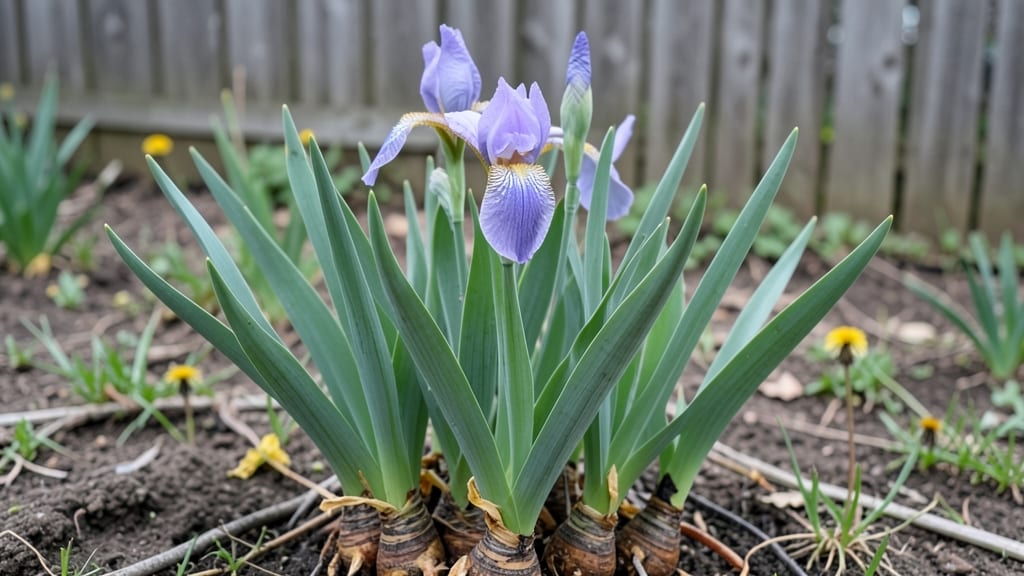
Planting iris bulbs in Canada requires timing based on hardiness zones: in most regions, fall planting (September to October) is ideal for spring blooms, while Zone 3-4 gardeners should wait until May for late-spring planting to avoid winter freeze damage. Soil temperature below 60°F triggers bulb dormancy, so avoid early planting in warm zones.
Timing your iris bulbs depends heavily on your region's last frost dates and soil conditions. In milder areas like coastal British Columbia, bulbs can go in the ground as early as late August, while inland Alberta gardeners should delay until mid-October to prevent winter heaving.
The key is ensuring the ground stays cool enough to trigger dormancy—think of it as nature's way of putting the bulbs to sleep before winter sets in. 💫
For spring planters in Zone 3-4, the window is tight but critical: aim for late April to May when soil temperatures consistently stay above 50°F. This timing gives roots time to establish before summer heat arrives, preventing stress.
I’ve seen many gardeners rush planting in early spring only to watch their irises struggle—patience here pays off with stronger blooms the following year.
💡 In This Article
- Canada’s Iris Planting Zones and Freeze Risks
- Step-by-Step Iris Bulb Planting Guide for Canadian Gardens
Canada’s iris planting zones and freeze risks
Canada’s diverse climate zones—ranging from USDA Zone 3 in the prairies to Zone 9 in parts of southern Ontario and British Columbia—create wildly different planting windows for iris bulbs.
The critical factor isn’t just the calendar month but the soil temperature, which must drop below 60°F (15°C) to trigger bulb dormancy.
In Zone 4-5 (covering cities like Toronto and Montreal), this typically happens by mid-October, while in Zone 3 (like Winnipeg), gardeners often wait until late October or November to avoid winter heaving.
Coastal regions experience a 10-14 day delay in frost dates compared to inland areas due to ocean moderation. For example, Vancouver (Zone 7b-8a) can plant as early as late September, while Calgary (Zone 3b-4a) should delay until mid-October.
The risk? Planting too early in warm zones (like Zone 8+) causes bulbs to sprout prematurely, only to be killed by winter frosts. The solution? Use a soil thermometer—plant when temperatures consistently stay below 60°F (15°C) for a week.
Spring planting in Zone 3-4 requires even more precision. Bulbs need 6-8 weeks of warm soil (50°F/10°C) to establish roots before summer heat arrives. In Calgary, this means late April to early May planting, while Vancouver’s milder climate allows March-April timing.
The danger? Planting too early in cold zones risks frost damage to emerging shoots. I’ve seen gardeners in Edmonton (Zone 2b-3a) lose entire plantings by rushing bulbs into the ground in March—waiting until mid-May ensures success.
Here’s how frost dates translate to actionable timing across Canada:
- Zone 3-4 (Prairies, Northern Ontario): Fall planting October-November; spring planting May only
- Zone 5-6 (Southern Ontario, Quebec, Nova Scotia): Fall planting September-October; spring planting April-May
- Zone 7-9 (Coastal BC, Southern Ontario): Fall planting August-September; spring planting March-April
The science behind this involves cold stratification, where bulbs undergo a natural chilling period to break dormancy. In warmer zones, this happens over winter; in colder zones, gardeners must replicate it through precise timing.
Think of it like putting a bulb to sleep in the right season—too early, and it wakes up at the wrong time; too late, and it misses its growth window entirely. 🌱
Pro tip: Use your local Canada Plant Hardiness Map to find exact frost dates, then count backward 4-6 weeks for fall planting or forward 6-8 weeks before last frost for spring. This method accounts for regional microclimates better than general zone guidelines alone.