
Planting
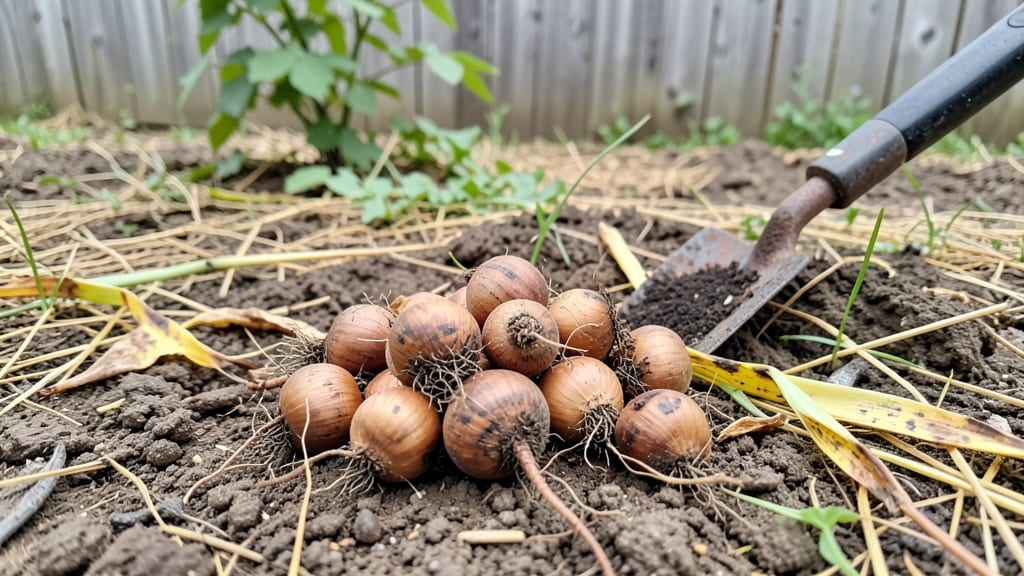
Planting bulbs in Boston requires timing them for late fall, ideally between October 15 and November 15, when soil temperatures drop below 60°F (15°C) but before hard frost sets in (typically mid-November). Adjust for early-bloomers like tulips (earlier) and late-bloomers like daffodils (later).
Boston’s chilly autumn climate means getting bulbs in the ground early enough for them to root before the first freeze—but not so early that they sprout prematurely. The USDA Zone 6a-6b designation here means most bulbs need 10-12 weeks of cold dormancy to bloom, so timing is everything.
I always check the NOAA frost calendar for my specific neighborhood, since urban areas like Back Bay can stay warmer than suburbs like Malden for weeks at a time.
For example, tulips should go in by early October to avoid winter heaving, while daffodils—hardier and more forgiving—can wait until November. The key is soil temperature: once it dips below 60°F, bulbs enter dormancy, but planting too late risks frost damage before roots establish.
A bulb planter makes this easier, especially in Boston’s heavy clay soil where drainage is critical.
💡 In This Article
- Boston’s Frost Dates and Bulb Hardiness Zones
- Step-by-Step Bulb Planting Schedule for Boston Gardens
Boston’s frost dates and bulb hardiness zones
Boston’s classification as USDA Zone 6a-6b means average minimum winter temperatures range from -10°F to 0°F (-23°C to -18°C), creating a critical window for bulb planting.
The first frost typically arrives between October 20 and November 15, but this varies by neighborhood—urban areas like the Seaport District often experience frost 2-3 weeks later than suburban spots like Arlington due to the "urban heat island" effect.
This phenomenon occurs because concrete and asphalt absorb and retain heat longer, delaying temperature drops.
The key scientific trigger for bulb dormancy is soil temperature, not air temperature. Bulbs need 40-60°F (4-15°C) soil conditions to initiate root growth while avoiding premature sprouting. When soil temperatures consistently drop below 60°F (15°C), most bulbs enter a state of dormancy, preparing for winter.
This is why late October planting works best—it gives roots 4-6 weeks to establish before hard frost (28°F/-2°C) arrives, which can damage tender new growth.
To verify local frost risks, I always check the NOAA Climate Data for Boston (station ID: GHCND:USW00014728) or use free tools like the Old Farmer’s Almanac frost calculator.
For example, data shows that Back Bay experiences its first 28°F frost 10% of years by November 1, while Malden averages 3 weeks earlier. This 3-week variation explains why some gardeners in warmer microclimates plant daffodils in early November when others in cooler areas finish by mid-October.
Boston’s heavy clay soil adds another layer of complexity. When saturated, it conducts cold more efficiently, potentially damaging bulbs even before air temperatures drop. The solution? Amend planting areas with 2-3 inches of compost to improve drainage and insulate roots.
I’ve found that planting in raised beds or mounded soil (adding 4-6 inches of topsoil) can push back frost exposure by 5-7 days in problem areas.
What most gardeners overlook is how bulb hardiness varies by species. Tulips (Zone 3-8) are more frost-sensitive than daffodils (Zone 3-9), which explains why tulips need earlier planting.
The vernalization process—where bulbs require cold exposure to bloom—differs too: crocus bulbs need only 4-6 weeks of cold, while hyacinths require 12-15 weeks. This is why I plant crocus in late October but wait until November for hyacinths, even though they’re both fall-planted.
For precise timing, I use the "10-12 week rule": count backward from your average last frost date (use March 15 as a Boston benchmark) to determine planting windows.
For example, if your last frost is March 15, tulips (which need 12 weeks of cold) should go in by December 1, while daffodils (10 weeks) can wait until January 15. This method accounts for Boston’s unpredictable spring weather patterns.
Pro tip: Mark your calendar for November 30—this is Boston’s statistical cutoff for safe bulb planting. After this date, even hardy bulbs risk frost damage before roots establish.
Use mulch (2-3 inches of straw or leaves) to protect newly planted areas from temperature swings during this critical window. 🌱