
Flowers
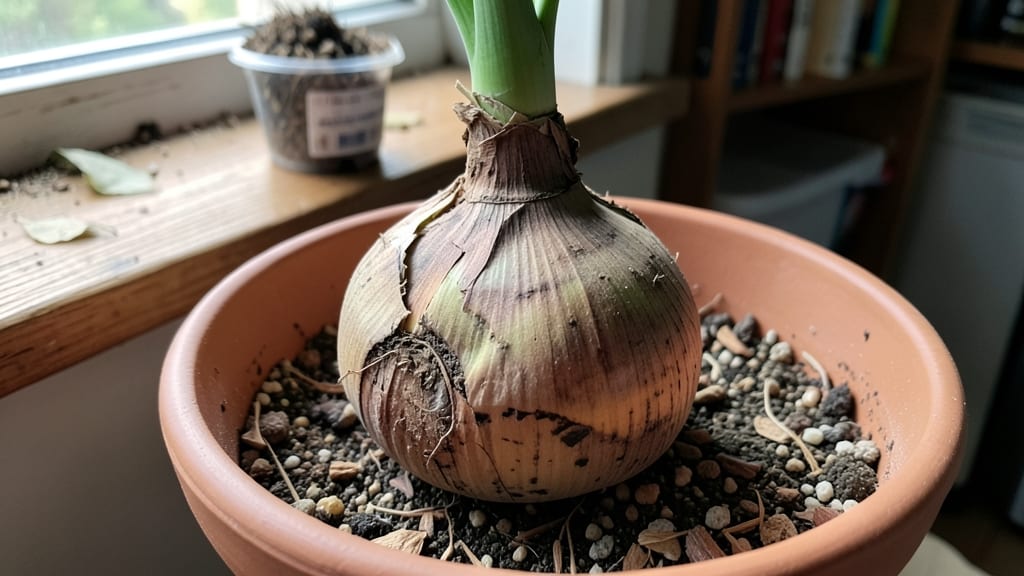
Your amaryllis bulb dormancy is the secret to bigger blooms next winter—skipping it means weaker flowers or no flowers at all.
If your 🌸 amaryllis has stopped blooming and the leaves are wilting, it’s not dying—it’s entering dormancy, a crucial phase for its survival and future flowers. Understanding this natural cycle can mean the difference between a thriving plant and a lost investment.
Most gardeners panic when the leaves yellow and droop, but this is exactly how amaryllis bulbs recharge. Without this rest period, they won’t have the energy to produce those showstopping 6-foot stems in late fall.
Below, I’ll walk you through when dormancy starts, how to care for your bulb during its 8–12 week rest, and the exact steps to wake it up for another stunning display.
When and why amaryllis bulbs enter dormancy: signs and science
Amaryllis bulbs naturally enter dormancy after their spectacular winter blooms fade, typically between late fall and early spring. This rest period isn’t a sign of failure—it’s a biological necessity. As daylight shortens and temperatures drop, your bulb triggers dormancy hormones to conserve energy for next year’s growth.
Without this phase, your amaryllis risks weak blooms or even death. Understanding these cues helps you provide the right care at the right time.
The transition starts when your bulb’s foliage yellows and begins wilting, even if the bulb itself looks healthy. This isn’t just aging—it’s your plant’s way of signaling, “I’m storing nutrients for next season.”
Meanwhile, the stem may brown and collapse, but the bulb itself remains firm and plump. These visual clues are your first warnings that dormancy is underway, not a problem to panic about.
| Dormancy Trigger | Signs to Watch For | Why It Matters |
|---|---|---|
| Shortening daylight (below 12 hours/day) | Leaves yellowing from base upward | Triggers photosynthesis slowdown and nutrient storage |
| Cooling temperatures (50–60°F) | Stem browning and collapsing | Reduces metabolic activity and water loss |
| Natural post-bloom decline | Bulb feels firm but lighter when lifted | Ensures energy reserves for next bloom cycle |
| Reduced watering needs | Soil stays dry longer between waterings | Prevents rot during inactive growth |
Dormancy isn’t just about survival—it’s about preparing for next year’s blooms. During this phase, your amaryllis bulb stores carbohydrates and nutrients in its scales, much like a squirrel stockpiling nuts for winter.
Without this rest, your bulb may produce fewer flowers or weak stems. Think of it as recharging your bulb’s “battery” before the next growing season.
One common mistake gardeners make is confusing dormancy with disease. If your bulb’s leaves turn yellow and feel mushy, that’s a red flag for rot or overwatering. But if the leaves are dry, crispy, and the bulb itself stays firm, it’s likely just dormancy.
Always check the bulb’s weight and texture—a healthy dormant bulb should feel solid, not hollow or slimy.
The typical dormancy window for amaryllis runs from late October to early March, though this can vary by USDA Zone. In warmer climates (Zones 9–11), dormancy might be shorter, while colder regions (Zones 3–6) may see a longer rest.
Pay attention to your local first frost date—this often signals the start of dormancy for outdoor-grown bulbs.
Temperature plays a critical role in dormancy. Your bulb needs cool but not freezing conditions (ideally 50–60°F). If temperatures drop below 40°F, the bulb may suffer cold damage, while heat above 70°F can force premature awakening.
A cool basement or garage is perfect for storing dormant bulbs indoors.
Light exposure changes too. While active growth requires bright indirect light, dormant bulbs can tolerate lower light levels. Place them in a dark, cool spot (like a closet or under a shelf) to mimic natural winter conditions.
Avoid direct sunlight, which can stress the bulb and encourage early sprouting.
Watering needs drop dramatically during dormancy. Instead of weekly waterings, reduce to every 4–6 weeks or only when the soil feels completely dry. Overwatering is the #1 killer of dormant bulbs—it causes rot by trapping moisture in the bulb’s scales.
Use your finger to check soil moisture; if the top 2 inches are dry, it’s time to water lightly.
Finally, remember that dormancy isn’t a one-size-fits-all process. Some amaryllis varieties (like ‘Red Lion’) may enter dormancy earlier than others (like ‘Paperwhite’). Always observe your specific bulb’s behavior rather than relying on a strict calendar.
With the right care, your dormant amaryllis will wake up stronger and more vibrant next season. 🌱
Step-by-step guide to caring for amaryllis during dormancy
Once your amaryllis bulb finishes blooming, it needs a dormancy period to recharge. This rest phase mimics its natural cycle and ensures vibrant blooms next season. The key is to reduce water, adjust light exposure, and store bulbs properly—whether indoors or outdoors.
Without this care, your bulb risks rot or premature awakening, which weakens future growth.
Dormancy typically starts 6-8 weeks after blooming, usually in late fall. You’ll notice yellowing leaves and a shriveled stem—these are normal signs. The goal is to trick the bulb into thinking winter has arrived, even if your climate doesn’t have frost.
Proper dormancy care can double your bulb’s lifespan and improve flower quality.
How to Care for Amaryllis During Dormancy
- Step 1: Stop watering completely once leaves yellow. Let the soil dry out—this prevents bulb rot and mimics dry winter conditions.
- Step 2: Move the pot to a cool, dark location (50–60°F). A closet or basement works well. Avoid direct sunlight, which can wake the bulb too soon.
- Step 3: For outdoor storage, dig up bulbs after foliage dies back. Cure them in a shady, dry spot for 1–2 weeks before storing in a paper bag with dry peat moss.
- Step 4: Check bulbs monthly for soft spots or mold. If you find issues, remove the bulb and let it dry in a well-ventilated area before storing.
- Step 5: In late winter (8–12 weeks later), inspect bulbs for sprouting roots. If roots appear, it’s time to replant in fresh soil and resume watering.
One common mistake is overwatering during dormancy, which leads to moldy soil and rotten bulbs. Always ensure the pot has drainage holes and use a lightweight potting mix to avoid soggy conditions.
If your bulb starts sprouting too early, move it back to a cooler spot and reduce light exposure.
For indoor storage, place bulbs in a paper bag with sphagnum moss to maintain humidity. Label the bag with the variety name and storage date to track dormancy length. Outdoor bulbs should stay in a dry, frost-free area like a garage or shed, away from pests.
When spring arrives, your amaryllis bulb will reward you with new growth if cared for properly. The dormancy phase is your secret to longer-lasting bulbs and showier blooms year after year. With these steps, you’ll avoid the heartbreak of a bulb that fails to rebloom.