
Planting
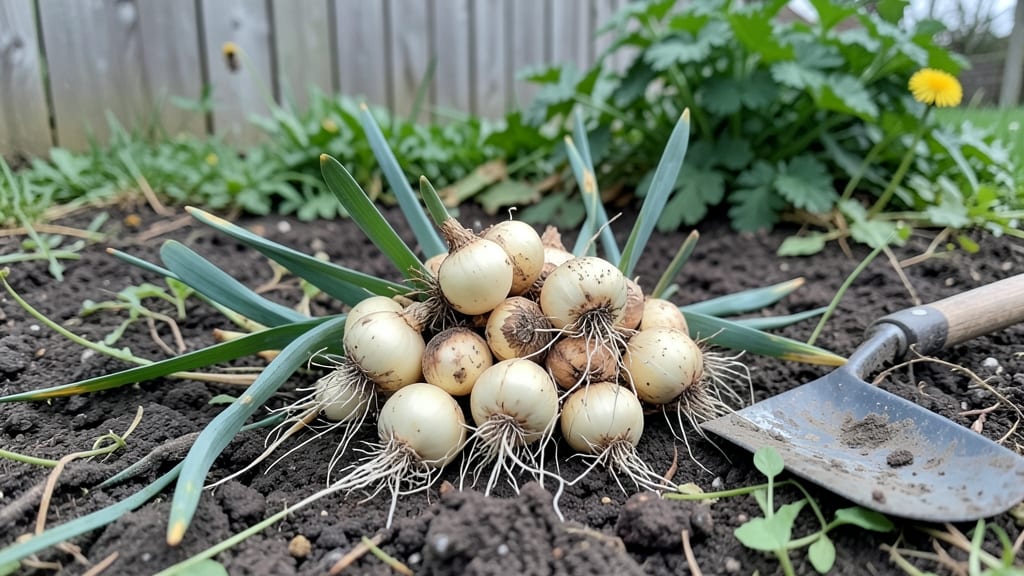
Planting daffodil bulbs in the fall requires timing between mid-September and mid-November, depending on your climate zone, for optimal root growth before winter dormancy. Chill exposure of 6-10 weeks is essential, so avoid planting too early in warm regions or too late in colder ones. Well-draining soil and partial sunlight are critical for successful blooms next spring.
Timing your daffodil bulbs right means giving them the perfect 6-10 week chill period—this cold snap mimics their natural winter dormancy, which is what triggers those vibrant blooms. 🌱 In my experience, planting too early in warm zones (like Southern California) can cause bulbs to sprout prematurely, only to get fried by summer heat, while late planting in colder areas (like the Pacific Northwest) may not provide enough dormancy time.
Think of it like scheduling a vacation: you want to arrive before the fun starts but leave before the crowds (or frost) ruin the experience.
Another pro tip? Well-draining soil is non-negotiable—daffodils hate soggy feet. I’ve seen too many gardeners plant them in heavy clay or low spots where water pools, leading to bulb rot. The fix? Amend your soil with coarse sand or perlite, or plant on a slight mound if drainage is questionable.
And while they love sunlight, don’t overdo it—partial shade in hot climates actually preserves moisture and prevents those delicate blooms from wilting faster.
💡 In This Article
- Best Fall Planting Months by Climate Zone
- Soil and Site Preparation for Daffodil Bulbs
Best fall planting months by climate Zone
Daffodil bulbs need 6-10 weeks of 40-50°F soil temperatures to trigger dormancy and root development. This cold exposure mimics their natural winter cycle, ensuring robust blooms next spring. The key threshold is when daytime temps consistently drop below 60°F—this signals bulbs to stop growing and focus on root establishment.
In USDA Zone 3 (think Minnesota or Maine), you have until mid-October to plant, while Zone 10 (Southern California) demands bulbs in the ground by late September to avoid summer heat stress.
Here's how regional variations play out: Early planting in Zones 7-10 risks premature sprouting, where tender shoots emerge only to crisp in summer heat or rot from fungal infections. Conversely, late planting in Zones 3-5 may not provide enough chill time, leaving bulbs dormant too long and delaying spring blooms.
The sweet spot? Aim for 4-6 weeks before your region's first hard frost (28°F or lower). For example, Zone 6 gardeners should plant between mid-September and early October, while Zone 8 has a narrower window of late September to mid-October.
What most gardeners overlook is how soil temperature differs from air temperature. Even if October air feels crisp, the ground may still hold summer warmth. Use a soil thermometer to verify temps—plant when readings hit 50-60°F at 4-inch depth.
In my Zone 5 garden, I've seen bulbs planted in early November thrive because the soil cooled quickly, while those planted in late October struggled when a warm spell delayed dormancy. 🌱
Consider these zone-specific guidelines for precise timing:
- Zones 3-4: Plant from mid-September to mid-October—longer growing season means more chill exposure
- Zones 5-6: Aim for late September to early October—balance frost risk with adequate dormancy
- Zones 7-8: Get bulbs in by mid-September—summer heat arrives quickly
- Zones 9-10: Plant by late August to early September—some regions may need pre-chilling
Pro tip: In warm zones (7-10), store bulbs in the fridge (35-40°F) for 4-6 weeks before planting to simulate winter. I've had great success with this method in Zone 9, where natural chill periods are short.
The goal is to trick bulbs into thinking winter has arrived, ensuring they'll bloom reliably when spring does. 💫
Remember, daffodils planted too early may sprout and then wither if summer heat arrives, while late planting can result in weak or no blooms. The 6-10 week chill rule isn't arbitrary—it's what nature designed these bulbs to expect.
When you nail this timing, you're essentially giving your daffodils the perfect "winter vacation" they need to return stronger in spring.