
Planting
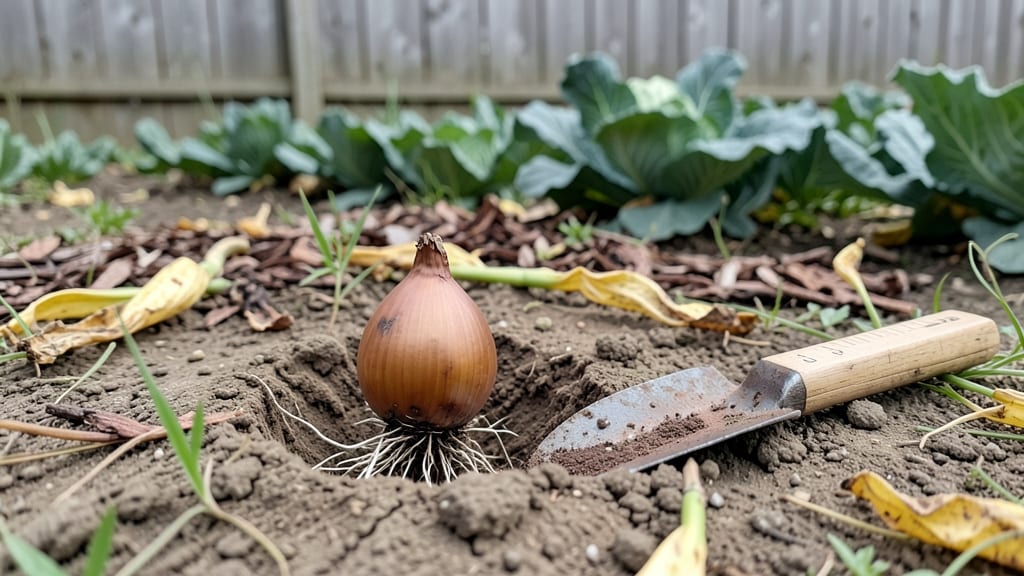
Planting bulbs in the ground depends on your climate zone: most spring-blooming bulbs (like tulips and daffodils) go in fall 6-8 weeks before the first hard frost, while summer-blooming varieties (such as dahlias) plant in spring after soil warms to 60°F. Check your USDA zone for precise timing, as tropical bulbs thrive year-round in warm regions.
Timing matters because bulbs need a period of cold dormancy to bloom properly—think of it as nature's way of resetting their internal clocks. 🌱 For instance, tulips and daffodils planted in October or November in Zone 5 will store energy during winter and burst into color in spring, while gladiolus bulbs in Zone 8 should wait until March or April when soil temperatures consistently stay above 60°F.
Even tropical bulbs like cannas have their own rhythm, preferring to be planted after the last frost when the ground is reliably warm.
Don’t overlook soil temperature—it’s the silent director of bulb behavior. A simple soil thermometer (or your elbow as a rough gauge) can tell you when it’s safe to plant warm-climate varieties.
I’ve seen beginners rush spring plantings only to watch their bulbs rot in chilly soil, so patience pays off in vibrant blooms. Mulching after planting helps regulate temperature and moisture, giving your bulbs the stable environment they crave.
💡 In This Article
- Bulb Planting Timing by Climate Zone and Type
- Pre-Planting Checks for Healthy Bulb Establishment
Bulb planting timing by climate Zone and type
Here's what's actually happening underground: bulbs rely on a natural process called vernalization, where exposure to cold temperatures (typically 40-50°F for 12-16 weeks) triggers flower production.
This explains why spring-blooming varieties like tulips and daffodils must be planted in fall—it gives them time to develop roots before winter dormancy begins.
In USDA Zones 3-5, this means planting between September 15 and October 15, while Zone 7 gardeners can extend their window until November 1.
The key factor is soil temperature, not air temperature. Most spring bulbs need soil to cool to 60°F or below before planting, which happens earlier in northern climates.
For example, in Zone 4, soil reaches this threshold by mid-September, while in Zone 9, it may not cool until November.
Summer-blooming bulbs like dahlias and canas flip this script—they need soil to warm to 60°F or above before planting, which typically occurs in March-April in Zones 6-8 and April-May in Zones 3-5.
What most people don't realize is how frost-sensitive tropical bulbs behave. Varieties like amaryllis and ginger lilies can be planted year-round in Zones 10-11, but in cooler zones, they must wait until after the last frost when soil temperatures consistently stay above 65°F.
I've seen amaryllis bulbs planted too early in Zone 7 rot within weeks because the ground remained too cold and wet. The solution? Use a soil thermometer—it's your best friend for timing these delicate plantings.
Let's break down the science: bulbs contain specialized buds called meristems that require cold exposure to produce florigen, a hormone that triggers flowering. This is why hyacinths planted in October in Zone 5 will bloom in April, while those planted in November may produce fewer flowers.
The colder the winter (think Zone 3 with -30°F temps), the more vernalization occurs, leading to stronger blooms in spring.
For summer bloomers, the rule changes dramatically. Gladiolus and lilies need warm soil to break dormancy, which is why they're planted in spring after the last frost. In Zone 6, this means waiting until April 15 or later, while Zone 10 gardeners can plant as early as February.
The key is watching for consistent daytime highs above 60°F—this signals it's safe to plant without risking bulb rot from cold, soggy soil.
One exception worth noting: fall-planted summer bulbs like caladiums (elephant ears) thrive in Zones 8-11 when planted in spring, but can be treated as annuals in cooler zones.
Their thick, fleshy rhizomes store energy differently than true bulbs, allowing them to tolerate warmer planting conditions. This flexibility makes them ideal for container gardening in colder climates.
Remember this rule of thumb: Spring bloomers = fall planting, Summer bloomers = spring planting, and Tropical varieties = plant when soil warms. The exact timing creates the perfect balance between dormancy and growth—nature's way of ensuring vibrant blooms when you need them most. 🌸