
Planting
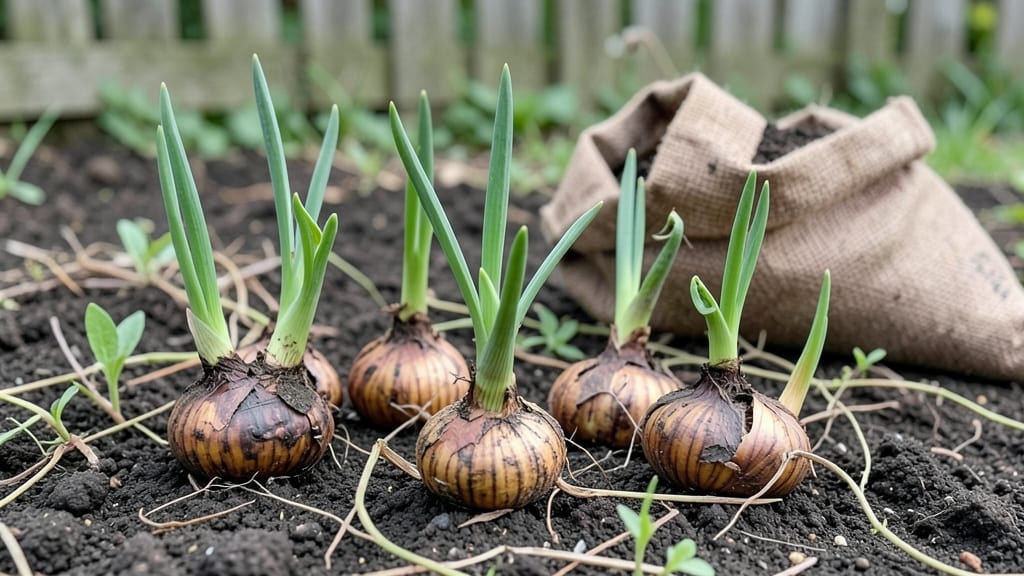
The best time to plant bulbs in the fall is 6-8 weeks before the ground freezes, typically mid-September to mid-October in most U.S. zones, adjusting earlier for warmer climates and later for colder regions. Soil should be cool (60°F) but workable, with no risk of hard frost within 6 weeks.
Timing matters because bulbs need a period of cool soil to establish roots before winter dormancy kicks in. 🌱 I’ve found that planting too early risks sprouting before the ground freezes, while waiting too long can leave them vulnerable to frost damage.
For example, tulips and daffodils thrive when planted in cool but workable soil, whereas crocuses—hardier varieties—can handle slightly later dates in colder zones.
Another key factor is your local frost date: check your USDA zone to adjust the window accordingly. In warmer Southern regions, you might start as early as August, while Northern gardeners should aim for October to avoid early freezes.
The goal is to give roots time to grow 4-6 inches deep before the ground hardens.
💡 In This Article
- Optimal Fall Bulb Planting by USDA Climate Zones
- Soil and Site Prep for Fall Bulb Success
Optimal fall bulb planting by USDA climate Zones
The perfect planting window hinges on your USDA zone because bulbs require specific soil temperatures to trigger root growth before dormancy. Here's what's actually happening: most bulbs need 4-6 weeks of cool (50-60°F) soil to establish roots 4-6 inches deep before the ground freezes.
This varies dramatically by zone—think of it like a race against winter's arrival. 🌡️
In Zones 3-5 (Northern states like Minnesota or Maine), aim for mid-September to early October—soil temps drop fast here, so you need to plant early. Tulips and daffodils thrive when planted by October 15th, while crocuses can wait until late October due to their hardiness.
Meanwhile, Zones 6-7 (Midwest and Northeast) have until mid-to-late October, giving you more flexibility.
Southern gardeners in Zones 8-10 face a different challenge: heat delays planting. In Zone 8 (Georgia, Texas), start as early as mid-August—soil stays warm longer, so bulbs might sprout prematurely. For Zones 9-10 (Florida, Southern California), plant September-October but use shade cloth to prevent overheating.
The Pacific Northwest (Zone 8-9) benefits from mild winters, allowing October-November planting for late bloomers like alliums.
What most people don't realize is that bulb types have different chilling requirements. Tulips need 12-16 weeks of 40-50°F soil to bloom well, while daffodils only need 8-10 weeks. Crocuses, being early bloomers, can handle shorter chilling periods.
This is why Zone 5 gardeners might plant tulips in September but daffodils in October—timing ensures both get adequate cold exposure.
Regional microclimates add another layer. Coastal areas (like Zone 7 Virginia) may plant 2 weeks later than inland zones due to moderating ocean breezes. Conversely, inland Zone 6 areas (like Iowa) might need to plant 1-2 weeks earlier because nights cool faster.
Always check your last frost date and adjust for local conditions—this is how pros get perfect blooms every year. 🌿
Pro tip: Use a soil thermometer to verify temps—60°F is ideal for planting. If your soil is still 70°F+, wait a week or two. This small step prevents premature sprouting, which weakens bulbs before winter.
The goal is to give roots time to grow but not let the tops emerge until spring.
For late bloomers (like alliums or fritillaries), push the envelope slightly—planting in November can still work in Zones 5-7** if the ground isn't frozen. These bulbs prioritize root establishment over immediate flowering, so they're more forgiving with timing. 💫