
Blooming
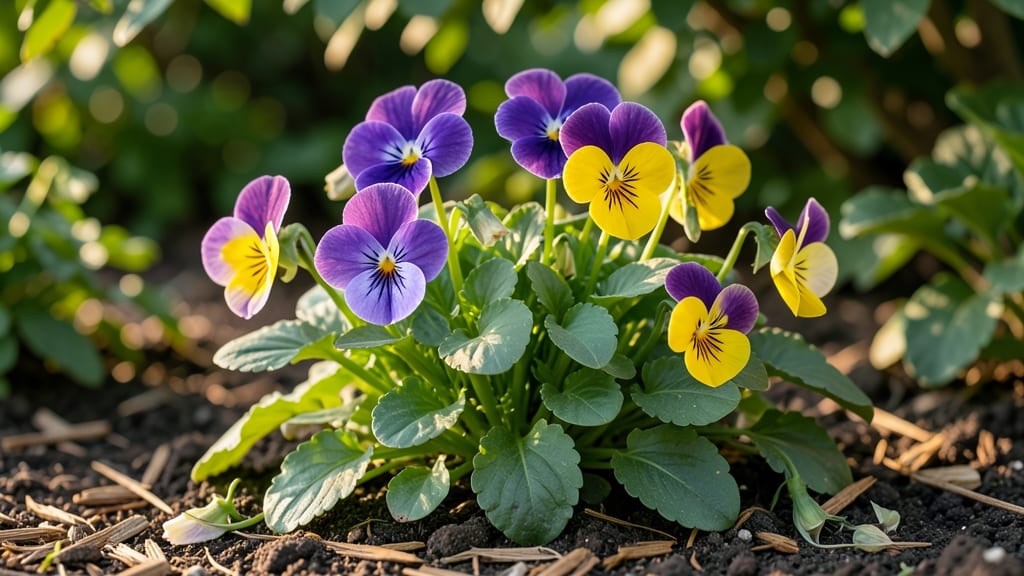
Pansies bloom for months at a time—from early spring through late fall—when you choose the right varieties and plant them at the perfect time for your zone.
Want vibrant blooms all season long? The secret lies in timing your planting just right—too early, and frost zaps their energy; too late, and summer heat sends them into dormancy.
Even in Zone 6a, where I garden, the difference between a 6-week display and a 12-week one comes down to variety selection and a few simple tricks.
Some pansies, like the cold-hardy 'Ice King,' start as early as February, while heat-tolerant types like 'Rocket' keep flowering until October. Below, I break down the exact bloom windows by variety, plus how to stretch their season with minimal effort—no green thumb required.
You’ll learn which types thrive in your climate, how to avoid common mistakes that cut blooms short, and the one feeding trick that keeps pansies producing for weeks longer than the neighbors’.
Pansy bloom time by variety: exact months for spring, summer, and fall flowering
Pansies are nature's chameleons—adapting their bloom times to your climate zone and the variety you choose. Whether you're chasing early spring color or late fall cheer, selecting the right pansy cultivar makes all the difference.
In USDA Zones 3-10, bloom windows can shift by 2-3 months depending on whether you plant cold-hardy or heat-tolerant varieties. Let's break down the exact months for each type so you can plan your garden like a pro.
Most gardeners assume pansies bloom only in spring, but with the right variety selection, you can enjoy them from March through November. The key lies in understanding early bloomers like 'Rocket' versus late-season performers like 'Ice King'.
For Zone 5 gardeners, this might mean starting with 'Cool Wave' in April and ending with 'Major' in October. In Zone 9, you could stretch blooms from February to December with strategic plantings.
The 'Cool Wave' series is my go-to for Zone 5 gardens because it handles both spring chill and fall frosts beautifully. Plant these in early April for blooms by mid-May, then expect a second flush in September if you deadhead regularly.
In Zone 9, you can push their spring bloom to start as early as February with a little shade cloth protection during heatwaves.
For summer-long color, the 'Rocket' series shines—especially in southern climates. These heat-tolerant beauties bloom from May through September if given afternoon shade during peak summer heat. I've seen them thrive in Zone 10 containers with daily watering and morning sun exposure.
The trade-off? They're less cold-hardy, so they won't survive Zone 4 winters unless overwintered indoors.
If you're in a transition zone like Zone
How to extend pansy bloom time: planting strategies for year-round color
Pansies are the unsung heroes of seasonal color, but their blooms often fade too soon if planted carelessly. The key to year-round pansy displays lies in strategic planting—staggering varieties, adjusting for microclimates, and using containers for urban flexibility.
With the right approach, you can enjoy continuous blooms from early spring through late fall, even in challenging climates.
I’ve learned that succession planting is the game-changer. By planting different pansy varieties every 4-6 weeks, you create a seamless transition of blooms. For example, start with cold-hardy varieties in early spring, then introduce heat-tolerant types as temperatures rise.
This method works especially well in USDA Zones 3-8, where seasonal shifts are dramatic.
- Stagger plantings every 4-6 weeks to avoid bloom gaps. Example: Plant 'Cool Wave' in March, 'Major' in May, and 'Rocket' in July.
- Use containers for urban gardens—replace spent plants with new varieties every 6-8 weeks for instant color updates.
- Adjust light exposure by moving containers to shadier spots in summer or sunnier areas in winter to extend blooms.
- Overwinter pansies in cold zones (Zones 3-6) by mulching heavily and protecting with burlap wraps during extreme cold snaps.
- For hot climates (Zones 7-10), choose heat-tolerant varieties like 'Ice King' and water deeply in early morning to prevent wilting.
Container gardening is a game-changer for urban gardeners or those with limited space. Pansies thrive in pots, and you can swap out containers every few weeks to refresh your display.
For instance, plant 'Sorbet Mix' in spring containers, then replace them with 'Matrix' varieties in late summer. This trick ensures non-stop color without replanting in the ground.
Microclimates play a huge role in extending pansy bloom time. In my Zone 6 garden, I’ve noticed that pansies planted near north-facing walls bloom later into summer because they receive gentler afternoon light.
Conversely, containers on south-facing patios may need afternoon shade in July to prevent heat stress. Experiment with placement to find your garden’s sweet spot.
Overwintering pansies in cold climates is easier than you think. After the first frost, cut back spent blooms and apply a 3-inch layer of mulch around the base. In Zones 4-6, I’ve successfully grown pansies through winter by adding a lightweight row cover during sub-zero nights.
By early spring, they’ll reward you with vigorous new growth and early blooms.
Heat management is critical for summer-long pansy blooms. In Zones 7-10, choose heat-tolerant varieties like 'Matrix' or 'Freedom' series, which handle temperatures up to 85°F. To further protect your plants, water deeply in the morning and avoid overhead sprinkling, which can promote fungal diseases.
A light shade cloth (30-50%) can also buy you extra weeks of blooms during heatwaves.