
Blooming
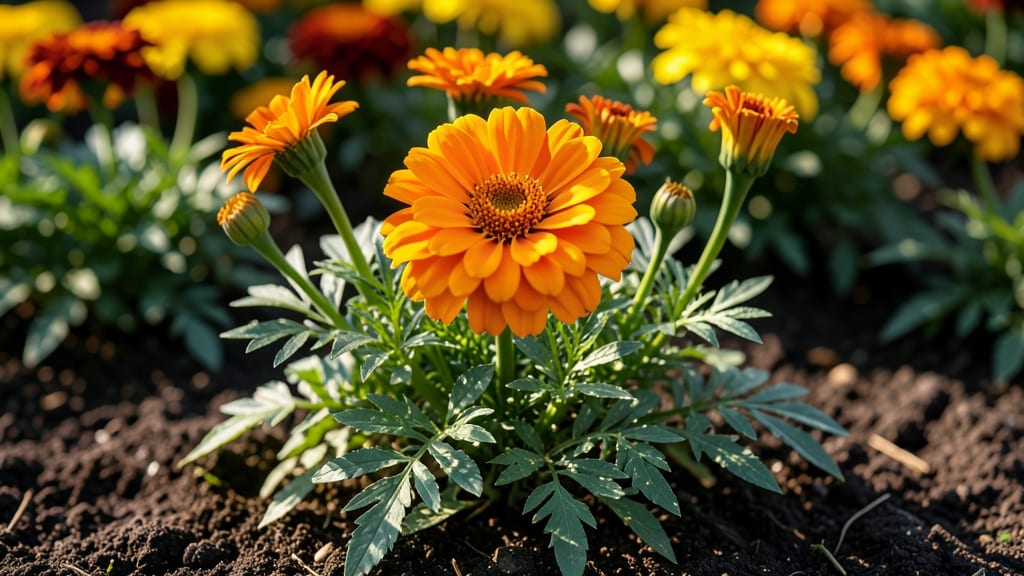
The marigold bloom time ranges from 45 to 90 days, depending on the variety and growing conditions, turning your garden into a sunny explosion of color 🌼 when timed right.
Picture this: you’ve just tucked in those seeds or transplants after the last frost, and now you’re waiting—when will those bright blooms finally appear?
The answer depends on whether you’re growing French marigolds (the fastest, often blooming in 45 days) or African marigolds (which can take up to 90 days), plus your local climate zone.
Below, I break down the exact bloom windows by variety, how to adjust for your zone, and 5 pro tips to coax earlier—and longer—flowering from your plants.
Marigold bloom time by variety: fastest to slowest-flowering types
If you're eager to see those bright orange and golden blooms light up your garden, timing is everything. Marigolds vary wildly in bloom speed—some burst into color in just 45 days, while others take nearly double that time.
The difference often comes down to whether you're growing French marigolds (the speedy sprinters) or African marigolds (the steady growers). Let's break down the exact bloom timelines so you can plan your garden like a pro.
For gardeners working with limited seasons, knowing these timelines helps you choose varieties that fit your planting schedule. For example, 'Bonanza' series marigolds are popular for their fast blooming and continuous flowers, making them ideal for cut gardens.
Meanwhile, 'Tangerine' varieties might take a few extra weeks but reward you with stunning rust-colored blooms that last all summer. Let's compare the fastest and slowest varieties side by side.
As you can see, French marigolds like 'Bonanza Gold' are the clear winners for fast blooming, often producing flowers in as little as 45 days from seed. This makes them perfect for gardeners who want quick color and early-season interest.
If you're starting with transplants instead of seeds, you'll shave off an extra 10-15 days—a huge advantage if you're working with a short growing season.
On the slower end, African marigolds like 'Jolly Tall Orange' take 70-80 days from seed to bloom, which might seem like a long wait.
How climate zones affect marigold bloom time (USDA map guide)
Your marigold bloom time isn't just about the variety you planted—your USDA climate zone plays a huge role. In cooler zones (5-7), frost risks delay blooms, while warmer zones (8-10) can trigger earlier flowering.
Understanding these differences helps you time plantings for maximum color. Let's break down how your zone impacts marigold performance.
Marigolds thrive in warmth, but their frost sensitivity varies by type. French marigolds handle cooler temps better than African varieties. In Zone 5, plant after May 15 to avoid frost damage, while Zone 10 gardeners can start seeds in March.
The key is matching your planting window to your zone's last frost date.
Here's how your climate zone affects marigold bloom timing:
| USDA Zone | Avg. First Bloom | Planting Window | Key Consideration |
|---|---|---|---|
| Zones 5-7 | 75-90 days after transplant | After May 15 | Frost risk delays growth |
| Zones 8-9 | 60-75 days after transplant | March-April | Longer growing season |
| Zone 10 | 45-60 days after transplant | Year-round (avoid winter) | Heat tolerance extends season |
In cooler zones (5-7), marigolds may not bloom until late July or August if planted too early. The 60-day rule applies: count back from your first frost date to determine when to start seeds indoors.
For example, in Zone 6, aim for seedlings by May 1 to see blooms by July 15.
Warmer zones (8-10) offer extended bloom periods. Here, marigolds can flower from spring through fall with proper care. Zone 10 gardeners often enjoy year-round blooms by planting successive crops every 6-8 weeks. The key is maintaining consistent moisture during heatwaves to prevent bud drop.
Don't forget that African marigolds (like 'Bonanza') bloom faster in warm zones, while French marigolds (like 'Souvenir') handle cooler temps better. Adjust your planting schedule based on your zone's heat tolerance and daylength. In shorter-day zones (northern US), blooms may arrive later but last longer.
For maximum blooms, time your plantings to avoid extreme heat or late-season frost. Use row covers in Zone 5-7 to extend the season, and mulch heavily in Zone 10 to retain moisture during summer droughts.
With these zone-specific adjustments, you'll get vibrant marigolds from early summer to frost—no matter where you garden! 🌼