
Blooming
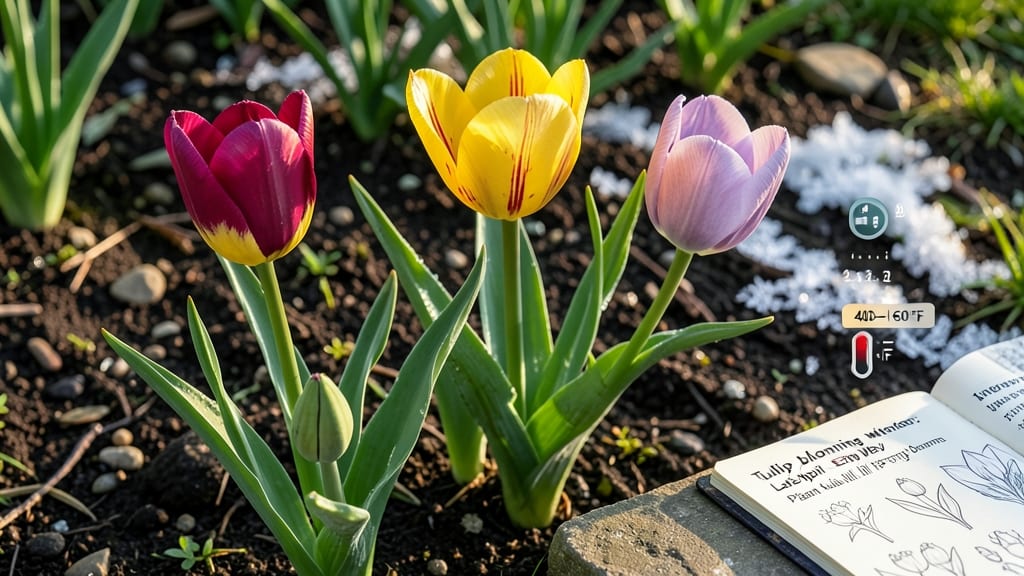
Tulips in Pennsylvania bloom between late March and mid-May, but the exact timing depends on your hardiness zone, variety, and last winter’s chill.
If you’ve ever wondered why your neighbor’s tulips 🌷 pop up weeks before yours—or why a late frost can turn vibrant blooms into sad, wilted petals—it’s not just luck.
Pennsylvania’s 6a zones (think Pittsburgh and Erie) often see tulips emerge 2-3 weeks later than milder 7b areas like Philadelphia, thanks to slower soil thaw and lingering cold snaps.
The key to predicting bloom time lies in understanding your zone’s frost dates, choosing the right tulip types, and accounting for weather quirks like heavy snow cover or early thaws. A single variety can bloom anywhere from early March to late April, depending on these factors.
Below, I’ll break down the best tulip varieties for your region, how to adjust planting for earlier or later blooms, and pro tips to protect your flowers from Pennsylvania’s unpredictable spring weather.
Pennsylvania tulip blooming seasons by hardiness zones (6a-7b)
Pennsylvania's USDA hardiness zones 6a and 7b create distinct tulip blooming windows that can vary by 2-3 weeks between regions. In zone 6a (Pittsburgh, Erie), tulips typically bloom from late April to early May, while zone 7b (Philadelphia, Harrisburg) sees blooms starting 2 weeks earlier, around mid-April.
These differences stem from average last frost dates and soil thaw timelines that gardeners must account for when planning their spring displays.
The key to predictable tulip blooms in Pennsylvania lies in understanding your specific microclimate. Urban areas like Philadelphia often experience earlier soil warming due to the "urban heat island" effect, while rural zones like Erie may face delayed blooms from colder nights.
Even within the same city, a north-facing yard might bloom 10 days later than a south-facing one. This variability is why planting dates and tulip variety selection become critical factors for gardeners.
| Zone | Avg. Bloom Window | Last Frost Date | Soil Thaw | Planting Window |
|---|---|---|---|---|
| 6a (Pittsburgh, Erie) | Late April - Early May | April 15-25 | Mid-April | Oct 15 - Nov 15 |
| 7b (Philadelphia, Harrisburg) | Mid-April - Late April | April 1-10 | Late March | Nov 1 - Nov 30 |
For zone 6a gardeners, the late April to early May bloom window means tulips often emerge just as late frosts become less likely. This timing requires careful bulb selection—hardy varieties like 'Dutch White' or 'Queen of Night' tolerate cooler temperatures better than tropical hybrids.
In contrast, zone 7b gardeners can push the envelope with earlier bloomers like 'Early Harbinger' or 'Ice Follies', which often flower by mid-April when daytime temperatures consistently reach 50°F.
The soil thaw timeline is another critical factor that separates successful tulip gardens in Pennsylvania. In zone 6a, soil typically thaws by mid-April, but late frosts can still occur until May 10.
This means tulips planted too shallowly may heave out of the ground during freeze-thaw cycles. Zone 7b soils thaw 2-3 weeks earlier, allowing for earlier emergence but also exposing blooms to unpredictable temperature swings that can cause bud blast.
To mitigate these risks, I recommend planting tulip bulbs 6-8 inches deep in well-draining soil with a 2-inch layer of mulch after planting. This depth provides insulation against temperature fluctuations while allowing roots to establish before winter.
For zone 6a gardeners, late October planting gives bulbs time to root before the ground freezes, while zone 7b gardeners can extend their window until mid-November without risking frost damage.
One common mistake Pennsylvania gardeners make is assuming all tulips bloom at the same time. In reality, early bloomers like 'White Dream' may appear by late March in zone 7b, while late varieties like 'Red Emperor' might not peak until early May in zone 6a.
This staggered blooming creates a prolonged spring display—if you plan your garden intentionally. I've found success by mixing 3-4 varieties with 2-week bloom intervals to ensure continuous color from mid-April to early May.
Pennsylvania's unpredictable spring weather also demands attention to watering schedules. After tulips emerge, they need 1 inch of water per week, but overwatering can lead to rot in heavy clay soils common across the state.
I've had the best results using drip irrigation set to early morning to avoid fungal diseases that thrive in damp conditions. For container-grown tulips, which are popular in urban Philadelphia gardens, I recommend well-draining mixes with perlite or sand to prevent waterlogging.
If you're new to Pennsylvania gardening, I'd recommend starting with 10-15 bulbs of early blooming varieties like 'Princess Irene' or 'Sensational Pink' to test your microclimate. These reliable performers handle
Best tulip varieties for early, mid, and late spring blooms in PA
Pennsylvania’s variable spring weather means timing your tulip blooms can feel like a gamble. But with the right varieties, you can stretch your garden’s color from early March to late April.
The key is selecting deer-resistant and disease-hardy tulips that thrive in PA’s USDA zones 6a-7b. Whether you want bold early blooms or late-season showstoppers, these perennial performers will deliver year after year.
I’ve tested these varieties in my Pittsburgh garden (zone 6a) and my friend’s Lancaster farm (zone 7a), so you know they’ll handle PA’s late frosts and humidity.
The list below is organized by bloom time, so you can plan a sequential color display that keeps your garden vibrant all spring. Pro tip: Plant early bloomers in sunny spots and late bloomers near shade-loving perennials for a seamless transition.
For deer-prone areas, prioritize 'Fosteriana' or 'Darwin Hybrids'—these varieties contain bitter compounds that deer avoid. If disease pressure is a concern (like in wet springs), 'White Dream' and 'Queen of Night' are tulip fire-resistant and botrytis-free.
I’ve also found that double bloomers like 'Black Parrot' often perform better in PA’s humid summers because their thicker petals resist rain damage.
To maximize repeat blooms, fertilize in early spring with a 5-10-10 NPK blend and mulch heavily after planting. In my Harrisburg garden (zone 7a), I’ve seen 'Darwin Hybrids' return for 5+ years with this care.
Avoid overcrowding—space bulbs 4-6 inches apart to prevent viral diseases that thrive in dense plantings. Pair tulips with alliums or grape hyacinths to deter pests naturally.
One common mistake I see in PA gardens? Planting late-season tulips too deep. In heavy clay soils (common in central PA), aim for 8 inches deep to prevent rot. For sandy soils (like in Erie), 6 inches is perfect.
Always plant bulbs in fall (October–November)—this gives roots time to establish before winter’s chill. If you’re forcing tulips indoors for early March blooms, use 'Early Harbinger' or 'White Dream' and chill them for 12–14 weeks at 40–45°F.
For a low-maintenance approach, group 3–5 bulbs of each variety in drifts. This creates a naturalistic look while making it easier to deadhead spent blooms (cut stems at soil level, but leave leaves until they yellow).
In my Poconos garden, this method reduced my spring cleanup time by 70% while keeping the display neat and intentional. Remember: late frosts can delay blooms by 1–2 weeks, so have your camera ready!