
Blooming
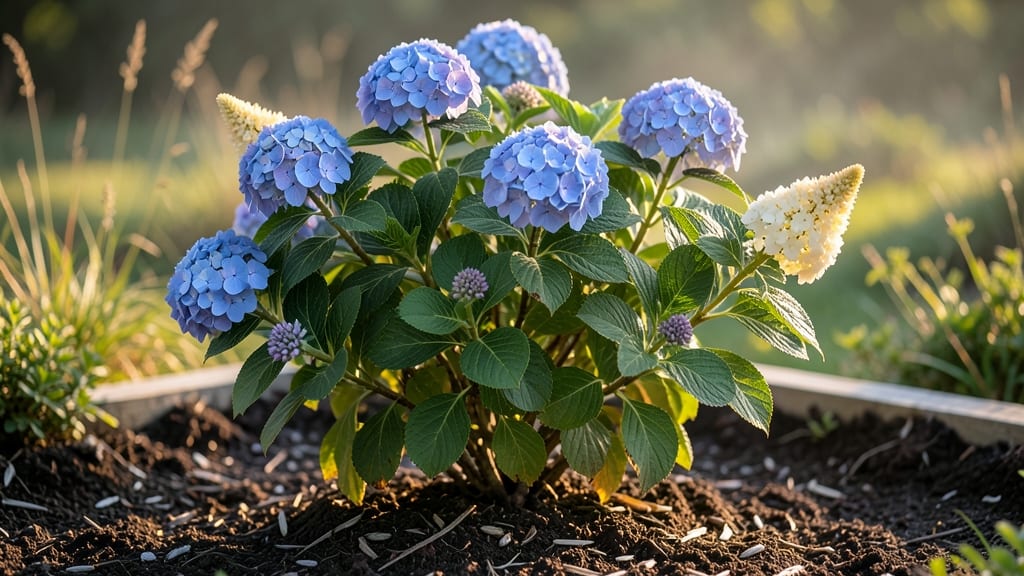
Hydrangeas bloom in Pennsylvania between late May and July, but the exact timing depends on your variety, microclimate, and whether you’re in the cooler Zone 5b or warmer Zone 7a.
If you’ve ever dreamed of a backyard bursting with vibrant hydrangeas but wondered when to expect their stunning blooms in Pennsylvania’s unpredictable climate, timing is everything—and the answer depends on your variety and microclimate.
Bigleaf hydrangeas, the most common type, typically open their showy clusters in June, while panicle varieties like ‘Limelight’ bloom a bit earlier, around late May. Oakleaf hydrangeas, with their lacey foliage, often wait until July, giving you a staggered display of color.
Here’s what you’ll learn: how to adjust your expectations based on your zone, the pruning tricks that can shift bloom times by weeks, and why Pennsylvania’s alkaline soil might be stealing your hydrangeas’ best colors.
Hydrangea bloom seasons in Pennsylvania zones 6-7: Bigleaf vs. panicle vs. Oakleaf varieties
Pennsylvania’s USDA Zones 6-7 bring dramatic seasonal shifts that can make or break your hydrangea blooms. The last frost date (typically mid-April) and first frost (late October) create a tight window for these moisture-loving shrubs.
But don’t worry—each hydrangea type has its own rhythm, and understanding their peak bloom periods helps you plan for maximum color impact.
I’ve grown all three varieties in my Pittsburgh garden (Zone 6b), and I’ve learned that Bigleaf hydrangeas are the most sensitive to late frosts, while Panicle types often reward patience with late-season blooms.
Meanwhile, Oakleaf varieties surprise me every year with their fall rebloom—a bonus that extends the show well into October. Let’s break down exactly when to expect blooms from each type in PA’s climate.
| Variety | Primary Bloom Period | Secondary Bloom (If Applicable) | Frost Sensitivity | PA-Specific Tip |
|---|---|---|---|---|
| Bigleaf (H. macrophylla) | Late June - August | None (unless reblooming variety) | High (buds form late spring) | Wait until after May 15 to prune—late frosts can kill new buds. |
| Panicle (H. paniculata) | July - September | Some varieties rebloom lightly in fall | Moderate (blooms on new wood) | Prune in late winter for earliest blooms—'Limelight' often blooms by July 4th. |
| Oakleaf (H. quercifolia) | June - July | September - October (fall rebloom) | Low (hardy to Zone 5) | Plant in full sun for best fall color—my 'Snow Queen' turns fiery red by October. |
The Bigleaf hydrangea (like 'Endless Summer') is the diva of the group. Its blooms form on old wood during the previous summer, so any late spring frost after April 15 can nip buds in the bud—literally. I’ve seen entire clusters blackened by a 28°F night in early May.
To protect them, I cover my plants with frost cloth during critical bloom weeks, especially in Zone 6 areas like Erie or Scranton where frosts linger.
Panicle hydrangeas (such as 'Little Lime' or 'Bobo') are far more forgiving because they bloom on new wood. This means they can handle late frosts better and often produce a second flush of blooms in late summer if you deadhead spent flowers. In my State College garden (Zone 6a), 'Limelight' consistently blooms from July 1st through Labor Day, making it a crowd-pleaser for fall weddings and parties.
But the real showstopper? Oakleaf hydrangeas like 'Amethyst' or 'Alice'. These varieties don’t just bloom once—they rebloom in fall when most hydrangeas have called it quits. The secret? Their hardiness to Zone 5 means they shrug off early frosts, and their exfoliating bark adds winter interest.
I’ve watched my Oakleaf turn from white blossoms in June to crimson leaves in October, creating a three-season spectacle with minimal effort.
Pennsylvania’s microclimates also play a huge role. Urban areas like Philadelphia (Zone 7a) often see blooms 2-3 weeks earlier than rural Central PA due to the heat island effect. Meanwhile, mountainous regions like Poconos (Zone 5b) may experience delayed blooms until July.
To time it right, I recommend planting a mix of varieties—this ensures continuous color from late June through October.
One pro tip for PA gardeners: Soil pH dramatically affects bloom color. Our alkaline soil (pH 7.0+) turns Bigleaf blooms pink instead of blue.
To shift colors, I amend my soil with elemental sulfur in fall to lower pH, which lets my 'Nikko Blue' hydrangeas achieve that vibrant blue everyone craves. For Panicle types, color shifts are less dramatic, but well-draining soil is critical to prevent bud rot during our humid summers.
If you’re planning your hydrangea garden layout, consider placing Panicle types near patios for their long bloom season, while Bigleaf varieties thrive in morning sun
How to extend your hydrangeas’ bloom season in PA: pruning, deadheading, and microclimate hacks
Pennsylvania’s variable climate can make hydrangea blooms unpredictable, but with the right strategies, you can push those showstopping blooms weeks earlier or later in the season.
The key lies in understanding pruning schedules, deadheading techniques, and how to work with your local microclimate—whether you’re in a urban heat island or a rural valley.
First, recognize that Pennsylvania’s USDA Zones 6-7 create unique challenges. Urban areas like Philadelphia often experience heat islands that delay fall frosts, while rural mountain regions (like the Poconos) can have earlier frosts.
By leveraging these differences, you can extend your hydrangea’s prime display by up to 6-8 weeks.
🌸 5 Pro Tips to Extend Hydrangea Blooms in PA
- Prune at the right time: Bigleaf hydrangeas bloom on old wood—prune after flowering (late summer). Panicle types bloom on new wood—prune in late winter/early spring.
- Deadhead strategically: Remove faded blooms to redirect energy to new flower buds, but leave seed heads for winter interest.
- Adjust sunlight: Urban areas? Add afternoon shade to prevent heat stress. Rural zones? Ensure morning sun for bud development.
- Mulch deeply: Use 3-4 inches of mulch to insulate roots, delaying fall frost damage and spring warmth for earlier blooms.
- Leverage microclimates: South-facing walls or protected corners can extend the season by 2-3 weeks in cooler areas.
For bigleaf hydrangeas, which bloom on old wood, timing is critical. If you prune in late winter (as you might for panicle types), you risk removing next year’s blooms.
Instead, wait until after flowering—typically July or August in Pennsylvania—to shape your plant while preserving next season’s buds.
Deadheading isn’t just about looks—it’s a growth hack. By snipping off spent blooms regularly (every 2-3 weeks during peak season), you encourage the plant to produce new flowers instead of focusing energy on seed development.
This works especially well for panicle hydrangeas, which are more forgiving with pruning.
Don’t overlook soil pH—Pennsylvania’s alkaline soil often turns hydrangeas pink instead of blue, but adjusting pH can also boost bloom production. Test your soil in early spring and amend with sulfur or peat moss if needed. A pH of 5.5-6.0 promotes vibrant blooms.
Finally, embrace microclimate magic. In urban gardens, container-grown hydrangeas near heat-absorbing walls can bloom 2 weeks earlier than rural counterparts. Conversely, mountain gardens may see later blooms due to cooler nights.
Use row covers in early spring or black plastic mulch in fall to modify your microclimate.