
Blooming
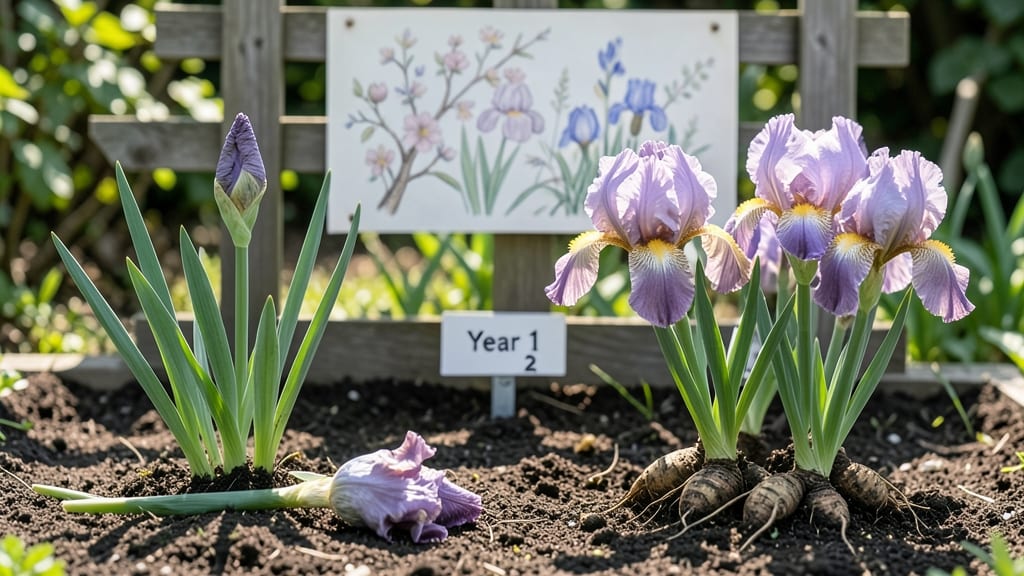
Do iris bloom every year? Yes—but whether they bloom once or twice depends entirely on the variety. Bearded irises typically produce one spectacular show annually, while reblooming types (such as Siberian or Japanese irises) can deliver two full cycles per season. Regular maintenance like division every 3-4 years keeps them blooming reliably.
Most gardeners assume all irises follow the same blooming schedule, but that's far from true. 🌸 The key difference lies in their natural growth cycles: traditional bearded irises store energy underground during summer dormancy, then burst into bloom in spring using those reserves.
Reblooming varieties, however, have adapted to produce a second flush of flowers later in the season—often in late summer—by managing their energy more efficiently. This explains why your neighbor's irises might look completely different from yours in terms of timing and abundance.
What makes this even more interesting is how climate plays a role. In warmer regions, reblooming irises may push their second flowering earlier, while colder zones might see delayed second blooms—or none at all.
The secret to encouraging consistent blooms lies in mimicking their natural conditions: well-draining soil, proper sunlight exposure, and strategic feeding during their active growing periods. I've found that dividing overcrowded clumps in early spring gives them the fresh start they need to perform their best.
💡 In This Article
- Iris Bloom Cycles: Why Some Flower Once, Others Twice
- Tips to Encourage Year-Round Iris Blooms
Iris bloom cycles: why some flower once, others twice
The fundamental difference between single-blooming and reblooming irises comes down to their genetic programming and energy management.
Bearded irises, like the classic 'Germanica' or 'Louisiana' hybrids, follow a strict seasonal rhythm: they store carbohydrates in their thick rhizomes during summer dormancy, then use these reserves to produce one spectacular bloom cycle in spring.
This energy-depleting process explains why they typically rest for the rest of the year—nature's way of conserving resources for next season's show.
Reblooming varieties, including Siberian and Japanese irises, have evolved a more flexible approach. These plants can produce two distinct flower cycles because they've adapted to manage their energy differently.
Siberian irises, for example, store energy in their fleshy roots rather than rhizomes, allowing them to generate new growth and flowers both in spring and again in late summer. The trade-off? Each bloom cycle is slightly less vigorous than a single-blooming iris's grand display.
Climate plays a crucial role here too—rebloomers in Zone 5 might only manage one full cycle, while those in Zone 8 could produce two robust blooms per season.
The science behind this involves photoperiodism—the plant's response to daylight length. Single-blooming irises are triggered by specific day-length changes in spring, while rebloomers have a more plastic response that can be triggered by both spring and summer conditions.
This explains why some gardeners see their reblooming irises produce flowers in response to heat waves or early autumn cooling, even when the calendar suggests it's too late. The key factor is maintaining consistent moisture and nutrients during these secondary growth periods to support the plant's second flowering attempt.
What most gardeners don't realize is how root health directly impacts bloom frequency. The rhizomes of bearded irises can become congested over time, competing for the same energy reserves. This is why division every 3-4 years is critical—not just for aesthetics, but to maintain the plant's ability to produce flowers.
When you divide irises in early spring, you're essentially giving each new rhizome a fresh start with its own energy reserves, which translates directly to more reliable blooming. I've seen overcrowded clumps produce half as many flowers as properly divided ones, even when given identical care.
Consider these key botanical differences when selecting irises:
- Energy storage: Bearded irises store carbohydrates in thick rhizomes; rebloomers use fibrous roots
- Growth habit: Single-bloomers focus energy on one dramatic show; rebloomers spread energy across two smaller cycles
- Climate adaptation: Rebloomers have broader temperature tolerances for secondary blooming
- Maintenance needs: Rebloomers require more consistent moisture and feeding during summer months
The most visually striking example of this difference is comparing a mature bearded iris clump in full spring bloom with a Siberian iris producing its second flush in August.
The bearded iris might have 20-30 stems with 5-7 blooms each, while the Siberian might show 15 stems with 3-5 blooms each—but both create stunning garden displays. The choice between them often comes down to whether you prefer one grand spectacle or two moderate shows throughout the season.