
Blooming
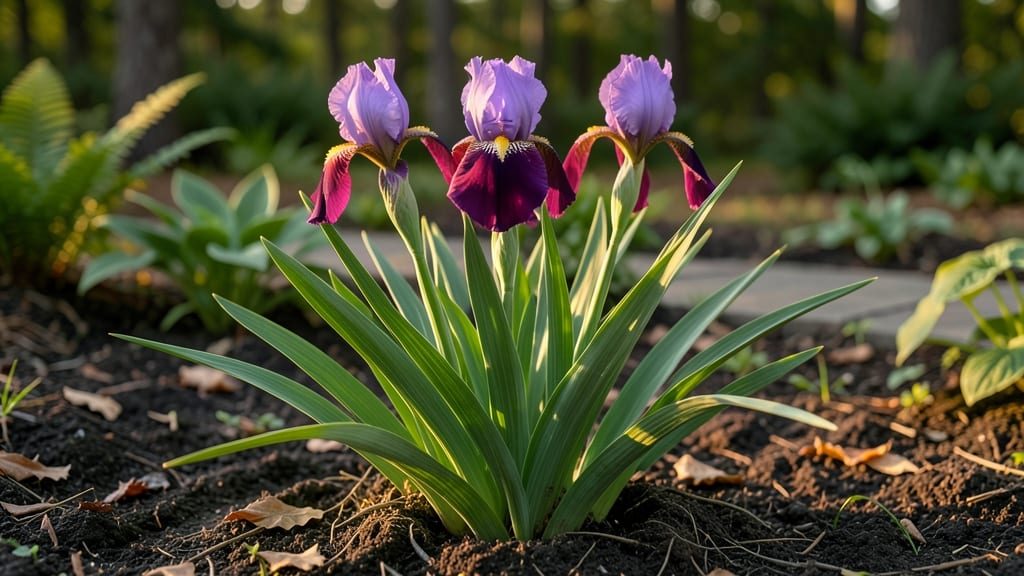
Irises bloom in Texas between late February and May, with exact timing depending on your region’s USDA zone and microclimate quirks.
If you’ve ever wondered why your Texas iris garden seems to bloom at different times each year—or why some neighbors’ irises thrive while yours struggle—timing is everything.
Texas’ diverse climate zones create a unique puzzle for iris blooming seasons, with spring and fall cycles that can vary by hundreds of miles.
North Texas irises often kick off in March after a chilly winter, while South Texas varieties may start as early as February or even stretch into June in milder zones. The key? Understanding how your specific climate zone—whether 7b-8a or 9a-10a—shapes bloom windows.
Below, I’ll break down the exact bloom windows by region, share tips to extend your iris season, and explain why some years deliver showstopping blooms while others leave you wondering where the flowers went.
Texas iris blooming seasons: spring vs. fall timelines by climate zone
Texas’ irises bloom in two distinct seasons—spring and fall—but the timing varies dramatically across the state’s four climate zones. Understanding these differences is key to planning your garden and ensuring your bearded irises and siberian irises thrive year-round.
In North Texas, for example, spring blooms arrive earlier than in the Gulf Coast, while Hill Country irises often surprise gardeners with a second fall display.
The Texas A&M AgriLife Extension categorizes Texas into four key regions, each with unique microclimates that affect iris blooming. Spring blooms typically occur between March and May, while fall blooms appear from October to December, though these windows shift based on rainfall, soil temperature, and elevation.
Even within a single zone, elevation changes—like those in the Hill Country—can push blooms earlier or later by weeks.
Below is a detailed breakdown of iris bloom timelines for each Texas climate zone, including regional exceptions and tips to extend your blooming season. Whether you’re in Lubbock’s dry heat or Houston’s humidity, these timelines will help you anticipate—and even influence—when your irises will put on their best show.
| Climate Zone | Spring Bloom | Fall Bloom | Key Factors |
|---|---|---|---|
| North Texas (USDA 7b-8a) | Late March–Early May | Mid-October–Late November | Dry air, cooler nights, low humidity |
| Central Texas (USDA 8a-9a) | Early April–Mid-May | Late September–Early December | Variable rainfall, caliche soil, heat spikes |
| Hill Country (USDA 8a-9a) | Mid-April–Early June | Early October–Mid-November | Higher elevation, drought-prone, rocky terrain |
| Gulf Coast (USDA 9a-10a) | February–April (year-round in South TX) | September–December (prolonged) | High humidity, warmer winters, frequent rain |
In North Texas, where cities like Amarillo and Lubbock experience colder winters, irises often bloom as early as late March to take advantage of the brief spring window. The fall bloom in this region can stretch into November, especially if temperatures dip early.
Gardeners in Lubbock report that siberian irises sometimes bloom in both seasons, while bearded irises focus on spring.
Moving to Central Texas, including Austin and San Antonio, the caliche soil and variable rainfall create a more unpredictable schedule. Here, spring blooms often begin in early April, but a late frost can delay them until May.
The fall season is more reliable, with blooms appearing from late September through December, especially in San Antonio’s slightly warmer microclimate. Reblooming varieties, like ‘Mister Magoo’, thrive here and may produce two flushes of blooms per year.
The Hill Country, encompassing Fredericksburg and Bandera, experiences higher elevations and drier conditions, which can push spring blooms into May or even June. This delay is due to the cooler soil temperatures that persist longer in the region.
However, the fall bloom is often more dramatic, with October being the peak month. Drought-tolerant varieties, such as ‘Blue Flag’, perform exceptionally well here and may bloom earlier in fall if rainfall is adequate.
On the Gulf Coast, from Houston to Corpus Christi, irises defy traditional schedules. Spring blooms can start as early as February, and in South Texas, some varieties bloom year-round due to the warmer winters.
The fall season is equally extended, with blooms lasting from September through December. Humidity and frequent rain can lead to fungal issues, so proper air circulation and well-draining soil are critical for healthy blooms in this zone.
To extend your iris blooming season, consider planting a mix of early-, mid-, and late-season varieties.
Why your Texas irises might bloom early, late, OR not at all
Texas irises are famously unpredictable about their blooming schedules, and the reasons often boil down to environmental factors beyond your control. Soil temperature plays a starring role—irises need 50–60°F soil to trigger blooms, which can happen earlier in South Texas (February) or later in North Texas (April).
Even a 5°F difference can shift bloom timing by weeks.
Another key player is rainfall patterns.
Too much rain in winter can delay blooming by keeping soil too wet, while drought stress in early spring might force early blooms as a survival tactic. Sunlight exposure also matters—irises planted in partial shade (common in Hill Country) often bloom later or less vigorously than those in full sun.
⚠️ callout-warning
Even the iris variety you’ve planted affects timing. Reblooming varieties like 'Blue Flag' may produce fall and spring blooms, while bearded irises often bloom just once in spring. If your irises skip blooming entirely, check for nutrient deficiencies—especially low phosphorus, which directly impacts flower production.
Texas’ microclimates add another layer of complexity. A garden in Central Texas’ Blackland Prairie might see blooms in March, while a Hill Country yard at 2,000 ft elevation could bloom in late April.
Elevation alone can shift timing by 2–3 weeks—higher = later blooms due to cooler nights.
To troubleshoot inconsistent blooming, start with a soil test—irises prefer pH 6.0–7.0.
Amend clay soils with compost or sand to improve drainage, and avoid fertilizing with high-nitrogen products in late summer, which encourages leafy growth over blooms. Deadheading spent blooms also signals the plant to focus energy on next year’s flowers.
For year-round interest, mix early bloomers (like 'Dwarf Candelabra') with fall rebloomers (such as 'Immortality'). This ensures your garden has color from February through May, with a bonus flush in fall. Just remember: patience is key—irises often take 2–3 years to establish and bloom reliably.