
Blooming
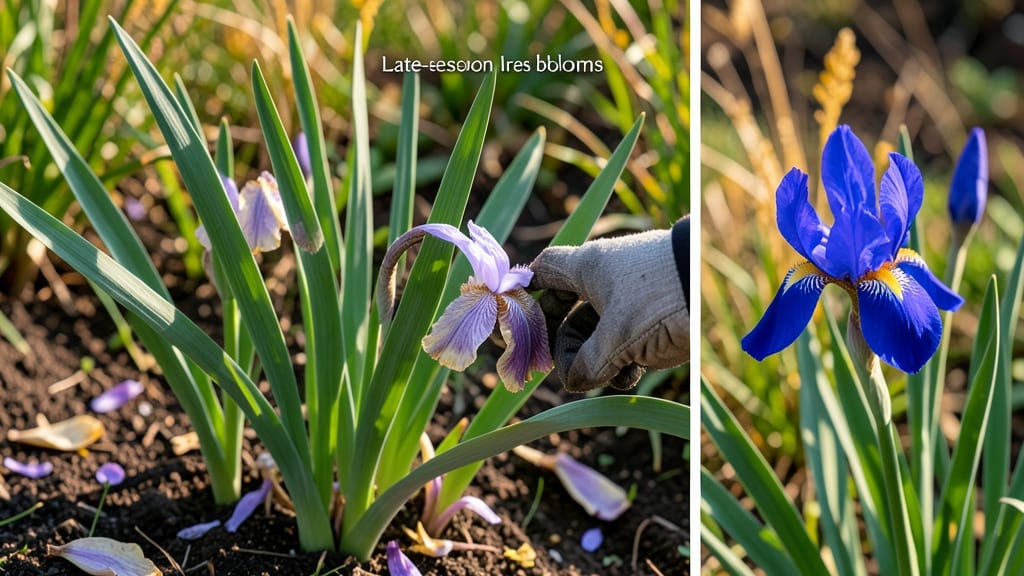
Fall-blooming irises do exist, particularly Japanese, Siberian, and Louisiana varieties, which can produce stunning late-season flowers between September and November when grown in the right climate and conditions.
While most irises are famous for their spring and summer displays, these late-blooming types thrive in cooler weather, often delivering bold purple, blue, or white blooms when others have faded. 🌸 The secret lies in their natural adaptation to shorter daylight hours and milder autumn temperatures, making them perfect for extending your garden's color palette.
Japanese irises, for example, often bloom in early fall, while Siberian varieties may linger into November, depending on your hardiness zone.
To encourage fall blooms, focus on well-draining soil and consistent moisture—these varieties appreciate regular watering but hate soggy roots. I've found that a light application of balanced fertilizer in early summer gives them the energy they need for a second bloom cycle.
Just be mindful of early frosts; protecting your plants with mulch or frost cloth can make all the difference in preserving those late-season blooms.
💡 In This Article
- Fall-Blooming Iris Varieties: Types and Their Unique Traits
- Encouraging Fall Iris Blooms: Care Tips for Late-Season Color
Fall-blooming iris varieties: types and their unique traits
Japanese irises stand out as the most reliable fall bloomers, thriving in USDA hardiness zones 5-9 and producing delicate, often fragrant blooms in late August to October.
Their rhizomes grow horizontally just below the soil surface, unlike bearded irises that sit above ground, which helps them conserve moisture during cooler months. The foliage remains lush and sword-like, providing a striking backdrop for blooms that range from deep purple to soft lavender with intricate veining.
Siberian irises, native to Russia's cold climates, bloom slightly later—typically September to November—in zones 3-8. Their stems grow taller (often 2-3 feet) and produce 3-5 blooms per stalk, creating dramatic vertical interest.
What makes them unique is their ability to naturalize in meadows or woodland edges, where they spread slowly but reliably. The blooms, ranging from vibrant blue to white with yellow signal marks, contrast beautifully with autumn foliage.
Louisiana irises, though technically not true irises (they're in the genus Iris but belong to the Louisiana subgroup), are the showstoppers of fall gardens in zones 5-9.
Their blooms appear July to October, often lasting 3-4 weeks per stalk, and feature large, dramatic flowers in shades of magenta, yellow, or white.
Unlike their spring-blooming cousins, Louisiana irises prefer moist, acidic soil and partial shade, making them ideal for rain gardens or near ponds where water levels rise in autumn.
The key difference between these fall bloomers and spring/summer varieties lies in their photoperiodic response. While most irises trigger blooming in response to increasing daylight (long days), these late-season types rely on shorter daylight hours and cooler temperatures to initiate flower buds.
Japanese irises, for example, require at least 6 weeks of temperatures below 70°F to set buds for fall blooming—a process called vernalization that mimics their native Japanese climate.
Consider these varieties' growth habits when planning your garden layout. Japanese irises spread slowly (6-12 inches per year) and prefer well-draining, slightly acidic soil (pH 6.0-7.0), while Siberian irises tolerate alkaline soils (pH 6.5-7.5) and can handle partial shade.
Louisiana irises, meanwhile, thrive in full sun to partial shade and appreciate consistent moisture—ideal for gardeners in humid climates where summer heat would stress other iris varieties.
For gardeners in warmer climates (zones 8-10), timing is everything. In these areas, Japanese irises may bloom as early as July if they receive adequate winter chilling, while Siberian varieties might produce a second flush of blooms in spring after their fall display.
The trade-off? Their fall blooms tend to be smaller and less vigorous in heat-prone regions, so selecting the right variety for your microclimate is crucial for success.