
Blooming
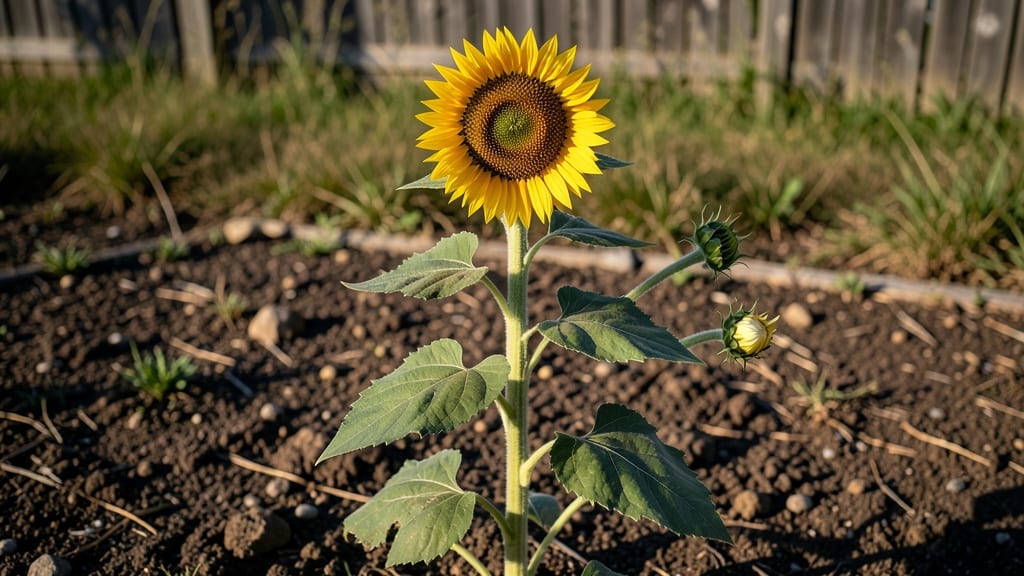
Sunflowers bloom in Texas between late spring and early fall, with the fastest varieties popping open in just 60 days—but your exact timeline depends on where you live in the Lone Star State.
Picture this: You’ve just planted your 🌻 sunflower seeds in March, and by June, your yard is a golden sea of towering blooms. But in South Texas, where the heat arrives earlier, those same seeds might burst into color by May if planted in February.
The difference? Heat zones and planting strategy.
Texas spans three major sunflower bloom zones, each with its own schedule. North Texas growers (like those in Lubbock) often see their first blooms in July**, while Gulf Coast gardeners in Corpus Christi might start harvesting seeds as early as June.
The key? Planting at the right time—and choosing varieties that thrive in your specific heat zone.
In this guide, I’ll break down the exact bloom windows for North, Central, and South Texas, plus the fastest-growing varieties to maximize your garden’s golden display. Ready to turn your Texas sunflowers into a showstopper?
Texas sunflower blooming timeline by heat Zone (North vs. south)
Texas sunflowers thrive under our intense sun but bloom at dramatically different times depending on your heat zone. In the High Plains (Zone 7), cool nights can delay flowering, while the Gulf Coast (Zone 9) often sees blooms 6-8 weeks earlier due to warmer winters.
Even within a single zone, heat waves can accelerate blooming by 10-14 days, so timing matters more than you might think.
For consistent blooms, I recommend planting in two waves: one in early spring (after last frost) and another in late summer (August-September) for fall color. This strategy works especially well in Central Texas (Zone 8), where both seasons produce reliable blooms.
Let's break down the exact month-by-month schedule for each region.
Pro Tip: Use mulch in Zone 7 to protect roots from temperature swings, which can delay flowering by up to 3 weeks. In Zone 9, focus on shade cloth during extreme heat to prevent bolting too quickly.
In Zone 7, my spring-planted sunflowers typically bloom in late July if seeded by April 15. However, if we get an early heat wave (like the 100°F+ days common in June), blooms can appear 2 weeks early.
I've seen 'Moulin Rouge' varieties in my Amarillo garden reach full bloom in just 55 days during these hot snaps.
For fall planting, Zone 7 gardeners should aim for August 1 to catch October blooms. The key is avoiding first frost, which usually hits by November 1.
I once lost an entire row of 'Autumn Beauty' sunflowers because I planted too late—September 20 was simply too risky for my Lubbock climate.
Central Texas (Zone 8) offers the most flexibility because of its long growing season. My Austin garden produces two bloom cycles annually: June-July from spring plantings and September-October from fall sowings. The heat tolerance of varieties like 'ProCut' makes this possible—it handles 95°F+ days without bolting prematurely.
In Zone 9, sunflowers are almost perennial-like in their eagerness to bloom. I've seen 'Teddy Bear' varieties in Houston start flowering as early as mid-April when planted in February.
The trade-off? Humidity can shorten bloom life by 30-50%, so I prioritize dwarf varieties that stay compact and resist powdery mildew.
One critical factor across all
How to choose sunflower varieties for fastest Texas blooms
Texas heat can turn sunflower gardens into gold-rush displays—but only if you pick the right fast-maturing varieties. Some varieties bloom in 55 days, while others take 120+ days to reach their towering glory.
For Texas summers, I focus on hybrids that handle 90°F+ temperatures without wilting, like 'Autumn Beauty' or 'Moulin Rouge'.
Your planting timeline matters too. In North Texas (Zone 8a), aim for March-April sowing to catch summer blooms, while South Texas (Zone 9b) gardeners can start as early as February.
The key is matching your variety’s days-to-maturity with your local frost dates—no one wants sunflowers bolting before they bloom!
Here are my top 5 Texas-approved varieties ranked by speed, from fastest to showstopper: 'Moulin Rouge' (55 days) – red-petaled dwarf with 4-foot stems, perfect for containers. 'Autumn Beauty' (60 days) – bicolor blooms that last 2+ months in Texas heat. 'Teddy Bear' (65 days) – compact and child-friendly, ideal for small spaces. 'Russian Giant' (120+ days) – 12-foot giants for dramatic backdrops (plant early!). 'ProCut Hybrid' (70 days) – disease-resistant and high-yielding for seed production.
For fastest blooms, I always amend soil with compost before planting—Texas clay can bake hard under summer sun. Mix in 2 inches of compost and a slow-release fertilizer (5-10-10) to give seedlings a nutrient boost.
Water deeply at planting, then let soil dry slightly between waterings—overwatering causes root rot, which delays flowering.
Pro tip: Succession plant every 2 weeks from March to June for continuous blooms. Even in 100°F heat, varieties like 'Autumn Beauty' keep producing until first frost. Just mulch with straw or wood chips to retain moisture and protect roots from soil crusting.
Don’t forget: Texas sunflowers love space—give tall varieties 2-3 feet apart to avoid shading. In my Central Texas garden, I pair 'Moulin Rouge' with marigolds to deter pests while keeping the golden display vibrant all season.
With the right variety and care, you’ll have sunflowers blooming by July—just in time for Texas’s peak summer color!