
Blooming
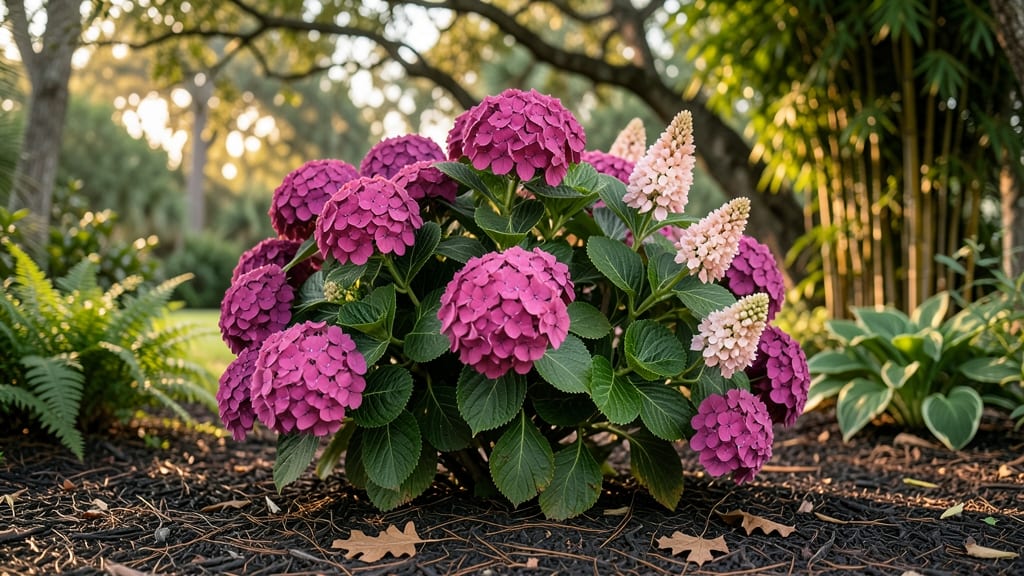
Hydrangeas bloom in Florida between late spring and early fall, with most varieties flowering from May through September, though exact timing depends on heat exposure, rainfall, and specific cultivars like Oakleaf or Mophead types.
Florida's warm climate means hydrangeas often bloom longer than in cooler regions, but heat waves can shorten their season if plants aren't properly cared for. 🌿 The Oakleaf variety, for example, typically starts flowering in early June and continues through October, while Mophead types may begin as early as April in northern Florida but can struggle in peak summer heat without shade.
Coastal areas usually see blooms start slightly earlier than inland regions due to milder temperatures and higher humidity.
What many gardeners don't realize is that Florida's summer rains actually help extend bloom cycles when paired with regular pruning. I've found that cutting back spent blooms in late summer encourages new growth, which can push some varieties to produce second flushes of flowers before the first frost.
The key is balancing water—too much can cause root rot, while too little stresses the plant and shortens its flowering window.
💡 In This Article
- Florida Hydrangea Bloom Timing by Variety
- How Heat and Rain Affect Florida Hydrangea Blooms
Florida hydrangea bloom timing by variety
Florida's hydrangea varieties bloom at different times because each type responds uniquely to the state's subtropical climate. Oakleaf hydrangeas, for instance, typically start flowering in early June and continue through October, with their leaves turning stunning shades of red and purple in fall.
This variety thrives in Florida's heat and humidity, often producing blooms on both old and new wood, which gives it a longer display than other types. 🌿 Meanwhile, Mophead varieties like 'Endless Summer' begin blooming as early as April in northern Florida but may require afternoon shade to prevent wilting during peak summer heat.
The timing also shifts dramatically between coastal and inland regions. Coastal areas like Miami or Tampa experience milder temperatures and higher humidity, allowing Mophead hydrangeas to start blooming by late March or early April.
In contrast, inland regions such as Orlando or Gainesville may see delayed blooms until mid-April or May due to slightly cooler nights and drier conditions.
Panicle hydrangeas, like 'Little Lime,' often bloom later in the season, starting around June and lasting through September, making them ideal for gardeners who want late-summer color.
Smooth hydrangeas, such as 'Annabelle,' have a different pattern—they bloom on new wood, which means they typically start flowering in late May or June and continue until August. These varieties are more heat-tolerant than Mopheads but still benefit from consistent moisture, especially during Florida's dry spells.
The key difference lies in their growth habits: Smooth hydrangeas focus energy on new growth, while Oakleaf varieties rely on both old and new wood for extended blooms.
What most gardeners overlook is how soil pH affects bloom timing. In Florida's acidic soils (pH 5.0-6.5), blue hydrangea flowers thrive, while alkaline amendments can shift colors to pink or purple.
For example, adding lime to the soil can change Mophead blooms from blue to pink, but this also slightly delays their initial flowering by 1-2 weeks as the plant adjusts. 💫 This is why testing soil pH before planting can help predict bloom schedules more accurately.
Another critical factor is the plant's maturity. Younger hydrangeas (under 3 years old) may produce fewer blooms and start later than established plants. For instance, a 2-year-old Oakleaf hydrangea might not reach peak bloom until July instead of June.
Patience is key—older plants develop stronger root systems, allowing them to support larger, more vibrant flower clusters and extend their bloom season by 3-4 weeks.
Consider these variety-specific bloom windows when planning your Florida garden:
- Oakleaf: June-October (longest bloom season, heat-tolerant)
- Mophead: April-August (early bloomer, needs shade in peak heat)
- Panicle: June-September (late-season color, drought-tolerant)
- Smooth: May-August (new wood bloomer, prefers consistent moisture)