
Blooming
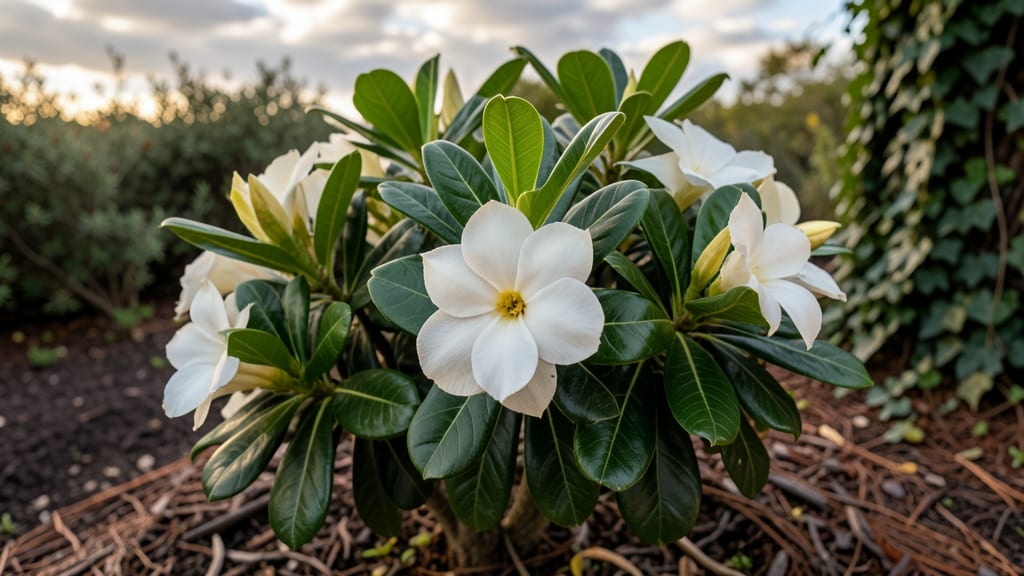
Gardenias bloom in North Carolina from late spring through early summer, typically May to July, though exact timing varies by variety and microclimate—warmer coastal regions may see earlier blooms than inland areas.
North Carolina's diverse climate creates a two-month window where gardenias shine, with coastal areas like Wilmington often seeing blooms as early as mid-April.
The key factors are temperature consistency and sunlight exposure—gardenias need at least 6 hours of direct sun daily and thrive when nighttime temperatures stay above 55°F. 🌸 I've noticed that varieties like 'Kleim's Hardy' tend to bloom slightly later in the Piedmont region, sometimes pushing into early August, while tropical types may struggle with the state's occasional late-spring frosts.
The right soil pH (around 6.0-6.5) also makes a noticeable difference in both bloom timing and overall plant health.
For gardeners in NC, understanding these patterns helps with planning. For instance, if you're growing gardenias in the mountains, you might want to choose hardier varieties that tolerate cooler nights. Meanwhile, coastal gardeners can enjoy longer bloom seasons by providing afternoon shade during peak summer heat.
The secret to extending your gardenia's display? Consistent moisture and regular pruning after blooms fade—this encourages new growth for next season's flowers.
💡 In This Article
- Factors Influencing Gardenia Bloom Timing in NC
- Best Gardenia Varieties for NC Blooms and Care Tips
Factors influencing gardenia bloom timing in North Carolina
North Carolina's climate creates distinct bloom windows for gardenias, primarily driven by temperature patterns. Coastal areas like Wilmington and Morehead City experience earlier blooms because they benefit from warmer winter temperatures and longer growing seasons.
These regions often see gardenias opening as early as mid-April, while inland Piedmont areas typically wait until late May due to cooler nights that delay flowering. The magic number for consistent blooming is maintaining nighttime temperatures above 55°F
The state's elevation also plays a surprising role. In the mountains, gardenias may not bloom until June or even July because cooler temperatures slow metabolic processes. At higher elevations, gardeners should select varieties like 'Kleim's Hardy' that tolerate 25-30°F temperatures, as these can withstand occasional late-spring frosts that would devastate tropical varieties. Sunlight exposure is equally critical—gardenias require at least 6 hours of direct sun daily, but afternoon shade becomes essential in hotter coastal areas to prevent bud drop from heat stress. Soil conditions create another layer of complexity. Gardenias thrive in acidic soil with a pH between 6.0-6.5, which is common in NC's coastal plains but often requires amendment in the state's more alkaline inland regions. I've found that adding 2-3 inches of organic mulch annually helps maintain proper pH while retaining moisture—a crucial factor since gardenias are sensitive to both drought and waterlogged conditions. The right soil environment can shift bloom timing by 2-4 weeks, with well-amended soils producing earlier and more abundant flowers. Microclimates within NC create fascinating variations. For example, gardenias planted in sheltered garden beds near buildings may bloom 10-14 days earlier than those in open landscapes due to heat retention. Similarly, areas with consistent afternoon breezes (like coastal gardens) help prevent heat stress that can cause buds to abort. The combination of these factors explains why you might see gardenias blooming in April in Wilmington while a garden just 30 miles inland doesn't see flowers until June. What most gardeners don't realize is how humidity affects bloom duration. North Carolina's summer humidity (often 70-80%) actually benefits gardenias by extending their bloom period, but too much moisture can promote fungal diseases that weaken plants. The ideal balance occurs when gardeners provide 1-1.5 inches of water weekly while ensuring proper drainage. This careful water management can increase bloom duration by 3-5 weeks compared to plants receiving inconsistent moisture. Seasonal temperature shifts create another critical pattern. Gardenias begin their bloom cycle when daytime temperatures consistently reach 70°F and nighttime lows stay above 60°F. In NC's Piedmont region, this typically happens around mid-May, while coastal areas may hit these thresholds as early as late April. The transition from winter dormancy to active growth is particularly sensitive—plants need 4-6 weeks of stable warm weather before they'll produce buds. This biological timing explains why gardeners in the mountains often see delayed blooms even when planting the same varieties as coastal neighbors. For those wanting to push bloom timing earlier, strategic planting helps. Coastal gardeners can plant gardenias in early spring (March) to take advantage of warm soils, while inland gardeners should wait until after the last frost date (typically mid-April in the Piedmont). The key insight is that gardenias respond to environmental cues—warm soils, consistent temperatures, and proper sunlight all work together to trigger flowering. Understanding these factors lets you time your gardenia care perfectly for maximum blooms. 🌿