
Blooming
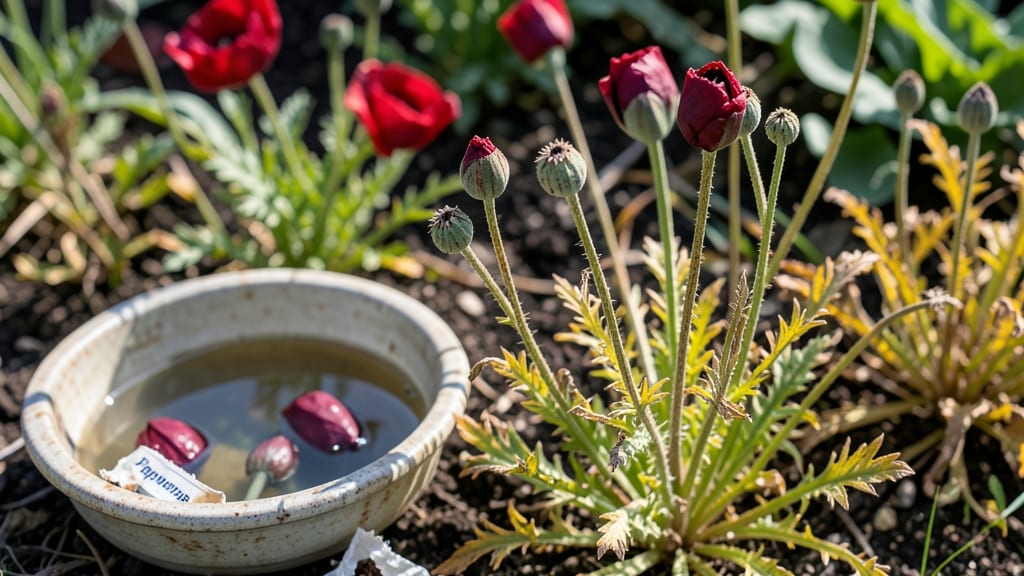
Some flowers never get to bloom and see the day because they're waiting for the right light signal—and you might be missing it. 🌸 I've watched petunias, impatiens, and even my prized roses put all their energy into leaves instead of flowers, only to realize they needed a simple light adjustment to trigger blooming.
The secret isn't more water or fertilizer—it's understanding how your plants read daylight hours.
Most reblooming flowers need 6-8 hours of direct sunlight to set buds, but too much afternoon sun can scorch petals before they open. My hydrangeas, for example, bloom best with morning sun and afternoon shade—once I moved them, they exploded with color.
The trick is matching your plant's natural habitat: tropical flowers like begonias need filtered light, while sun-lovers like zinnias thrive in full sun.
You'll see the difference within 4-6 weeks of adjusting light exposure—new flower buds form, stems strengthen, and colors deepen. Even my stubborn geraniums, which refused to bloom last summer, now produce nonstop blooms by keeping them in a bright east-facing window.
The best part? No chemicals or expensive tricks—just smarter light management.
This works for houseplants, patio containers, and garden beds alike. Whether you're dealing with finicky annuals or perennial holdouts, the same light principles apply. Let's get those buds opening up!
Hidden Forces That Stunt Growth
Some flowers never reach their full potential—not because of neglect, but due to unseen biological and environmental forces. Understanding these causes can help gardeners intervene before it’s too late. Here’s what’s really holding them back.
🌱 1. Genetic Predisposition to Dormancy
Not all flowers are wired to bloom year-round. Many plants, like Helleborus (Lenten rose) or Papaver (poppy), carry genetic traits that enforce dormancy cycles. These species evolved to conserve energy during unfavorable seasons, prioritizing survival over flowering.
Their buds remain dormant until specific triggers—like temperature shifts or photoperiod (daylight length)—activate blooming genes.
Actionable fix: Research your plant’s native climate. For example, Ranunculus (buttercup) thrives in Mediterranean regions with hot summers and cold winters. Mimic these conditions with seasonal pruning or controlled indoor lighting to break dormancy.
🌡️ 2. Temperature Mismatches
Flowers are temperature-sensitive. Some, like Tulipa (tulips), require a period of vernalization—exposure to cold (35–45°F or 2–7°C) for 6–16 weeks—to trigger blooming hormones. Without this chill, their buds stay tight. Conversely, heat-loving Lantana may refuse to bloom if nights stay below 60°F (15°C).
Actionable fix:
- For cold-dependent plants: Store bulbs in a fridge for 8–12 weeks before planting.
- For heat-seekers: Use row covers or move pots to warmer microclimates (e.g., near south-facing walls).
Pro tip: 🌡️ Use a thermometer to track soil temps—most bulbs need consistent cold, not just one freeze.
⏳ 3. Photoperiod Confusion
Daylight length (photoperiod) dictates blooming for short-day (e.g., Chrysanthemum) and long-day (e.g., Petunia) plants. If a short-day plant gets too much light, it skips flowering entirely. For instance, Poinsettia needs 14+ hours of darkness to bloom, but artificial lights can disrupt this.
Actionable fix:
- Short-day plants: Cover plants with a blackout cloth for 12–14 hours nightly (e.g., Kalanchoe).
- Long-day plants: Supplement with LED grow lights (12–16 hours/day) if natural light falls short.
Pro tip: ✨ Use a smart timer to automate light cycles—consistency is key!
💧 4. Water or Nutrient Stress
Overwatering or drought can trigger abscission (bud drop) or stunted growth. For example, Orchids need intermittent drying between waterings to signal blooming. Meanwhile, nitrogen-heavy fertilizers (like 30-10-10) promote leafy growth at the expense of flowers. A phosphorus boost (e.g., 5-10-5 ratio) is often needed to encourage buds.
Actionable fix:
- Check soil moisture: Stick your finger 2 inches deep—water only if dry.
- Flush soil annually to prevent salt buildup from fertilizers.
- Switch to bloom-specific fertilizer (high phosphorus) when buds form.
Pro tip: 💡 Epsom salt (magnesium sulfate) can help stressed plants—dissolve 1 tbsp in a gallon of water and apply monthly.
🦠 5. Pests or Diseases Sabotaging Buds
Hidden threats like Thrips (which pierce buds), Botrytis (gray mold), or Powdery Mildew can rot buds before they open. Even Spider Mites suck sap, starving flowers of energy. Symptoms include blackened buds, sticky residue, or distorted growth.
Actionable fix:
- Inspect buds weekly with a magnifying glass.
- Spray neem oil or insecticidal soap at the first sign of pests.
- Improve airflow by pruning dense foliage (reduces humidity for fungal growth).
Pro tip: 🔥 Copper fungicide prevents Botrytis—apply preventatively before rainy seasons.
🌿 6. Root or Crown Restrictions
Overcrowded roots or girdling (roots growing in circles) strangle a plant’s ability to transport nutrients. Even container-bound flowers (like Geraniums) may stop blooming if roots circle the pot. Additionally, compacted soil limits oxygen, slowing growth.
Actionable fix:
- Repot every 2–3 years or when roots circle the drainage hole.
- Loosen soil annually with a fork to aerate (avoid disturbing roots deeply).
- For perennials, divide clumps every 3–4 years to refresh growth.
Pro tip: 🎯 Use well-draining soil mixes (e.g., 60% potting soil, 30% perlite, 10% compost) to prevent waterlogging.
Reviving Stunted Blooms Naturally
When some flowers never seem to reach their full potential—whether due to light deprivation, stress, or neglect—there are practical ways to coax them back to life. Below are targeted solutions for common causes, along with preventive tips to ensure your garden thrives.
Many flowers fail to bloom because they don’t receive enough direct sunlight (6+ hours/day for most). If your plants are leggy, sparse, or just not flowering, try these steps:
🔥 Increase Sunlight Exposure
- Move potted plants to sunnier spots (south-facing windowsills or outdoor areas).
- Thin out overgrown foliage to let light penetrate deeper into the plant.
- Use reflective surfaces (mirrors or white walls) to bounce extra light onto shaded areas.
🌡️ Adjust Growing Conditions
- Gradual acclimation: If moving plants outdoors, do so slowly to avoid shock (1-2 hours more sun per day over a week).
- Choose the right location: Some flowers (like impatiens) tolerate shade, while others (like roses) need full sun—match plants to their light needs.
✨ Supplemental Lighting (For Indoor Gardens)
- Grow lights (LED or fluorescent) can bridge the gap if natural light is insufficient.
- Place lights 6-12 inches above plants and keep them on for 12-16 hours/day.
💡 Pro Tip: Monitor plant responses—yellowing leaves mean too much sun, while stretched stems mean more light is needed.
Too much water (or poor drainage) can drown roots, preventing blooms. Check for:
- Mushy stems (overwatering)
- Wilting despite wet soil (root rot)
👨🍳 Drainage Fixes
- Repot in well-draining soil (mix potting soil with perlite or sand).
- Add drainage holes if containers lack them.
- Water only when the top inch of soil is dry—never let plants sit in soggy soil.
🥘 Preventing Future Issues
- Use pots with drainage holes (terracotta is ideal).
- Avoid saucers that trap water—empty excess after watering.
- Group plants with similar water needs to simplify care.
💡 Pro Tip: Stick your finger in the soil—if it’s damp, wait before watering again.
Flowers that leaf out but won’t bloom often lack phosphorus (key for flowering) or potassium (strengthens blooms).
📊 Fertilizer Adjustments
- Switch to a bloom-boosting fertilizer (high in phosphorus (P)—look for a 5-10-5 or 10-20-10 ratio).
- Feed during active growth (spring to early summer) and reduce in fall/winter.
- Organic options: Bone meal (for phosphorus) or compost tea.
🥗 Soil & Feeding Tips
- Test soil pH (most flowers prefer 6.0-7.0—adjust with lime or sulfur if needed).
- Avoid over-fertilizing—too much nitrogen = leafy but no flowers.
- Slow-release granules are better than liquid feeds for steady nutrition.
💡 Pro Tip: Yellow leaves with purple stems? Likely phosphorus deficiency—feed immediately.
Extreme heat, cold snaps, or sudden changes can shock plants into dormancy.
🔥 Heat & Cold Solutions
- Shade cloth (30-50%) protects from intense afternoon sun.
- Mulch around base to regulate soil temperature.
- Move tender plants indoors before frost (or cover with frost cloth).
🎯 Preventing Future Stress
- Hardening off (acclimating plants to outdoor temps gradually).
- Choose climate-matched varieties (e.g., heat-tolerant petunias for hot zones).
- Avoid transplant shock—water deeply before and after moving plants.
💡 Pro Tip: Wilting in heat? Water early morning to reduce evaporation.
Deadheading (removing spent blooms) and strategic pruning can stimulate new flowers.
✂️ How to Prune for More Blooms
- Snip just above a leaf node (where new growth appears).
- Cut back leggy stems to encourage bushier, flower-heavy growth.
- For perennials, prune in early spring to remove dead wood.
💡 Pro Tip: Prune at the right time—some flowers (like hydrangeas) bloom on old wood, so wait until after flowering.
To keep flowers blooming year after year: ✅ Know your plant’s light needs before buying. ✅ Water deeply but infrequently (better soil moisture than soggy roots). ✅ Fertilize for blooms, not just leaves. ✅ Protect from extreme temps with mulch or shade. ✅ Deadhead regularly to encourage new flowers.
With these simple, actionable steps, even the most stubborn flowers can break through and bloom—just like nature intended! 🌸
Frequently asked questions
Why do some flowers refuse to bloom even with good care?
Many flowers need specific triggers like daylight hours (photoperiod) or temperature shifts to bloom. For example, poinsettias require 14+ hours of darkness, while tulips need vernalization (cold exposure). Even with proper water and fertilizer, these biological signals might be missing.
Can I force flowers to bloom indoors using artificial light?
Yes! For long-day plants (like petunias), use LED grow lights for 12-16 hours/day. For short-day plants (like chrysanthemums), cover them with blackout cloth for 12-14 hours nightly. Place lights 6-12 inches above plants to mimic natural sunlight.
How do I know if my plants need more light or less?
Check for yellowing leaves (too much sun) or stretched, leggy stems (not enough light). Most flowering plants need 6-8 hours of direct sunlight. Move potted plants gradually to avoid shock, and use reflective surfaces (like mirrors) to bounce extra light into shaded areas.
What should I do if my flower buds keep dropping off?
Bud drop often signals stress from overwatering, underwatering, or temperature swings. Ensure soil is well-draining and only water when the top 1-2 inches are dry. Protect plants from cold drafts or hot afternoon sun, and avoid fertilizing during stress.
Are there any flowers that bloom year-round with minimal effort?
Yes! Annuals like zinnias, marigolds, and geraniums bloom continuously if given full sun and regular deadheading. For perennials, lavender, Russian sage, and coneflowers are low-maintenance and rebloom with proper care. Choose varieties matched to your climate for easiest results.