
Blooming
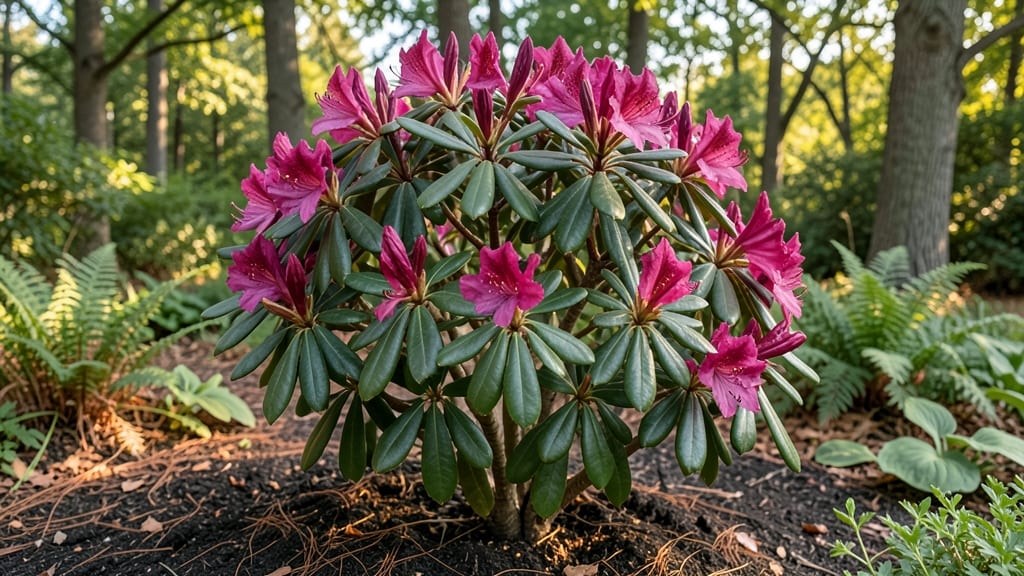
Rhododendrons bloom in North Carolina between late April and early June, though timing shifts dramatically from the mountains to the coast.
Picture this: the Blue Ridge Parkway in full pink glory, or your backyard shrubs bursting into color just as the azaleas fade. The difference? Elevation, microclimates, and even last winter’s snowpack.
In the cooler 6b zones, blooms arrive in May, while Zone 8a gardens may see them as early as April.
This isn’t just about aesthetics—knowing the schedule helps you time pruning, fertilizing, and even planning garden tours. A late frost can delay blooms by weeks, while a warm winter might bring them out early.
Below, I break down the exact bloom windows for NC’s top varieties, how to adjust care for peak performance, and why your rhododendron’s timing might surprise you this year.
North Carolina rhododendron bloom seasons by USDA hardiness zones
North Carolina’s rhododendrons are nature’s masterpiece, but their bloom timing varies dramatically across the state’s USDA zones 5a–8a. In the cooler mountain regions (5a–6b), blooms often arrive as early as late March, while coastal zone 8a gardens may see late-season displays stretching into May.
This variation isn’t just about latitude—elevation, microclimates, and even last frost dates play critical roles in when your rhododendrons will burst into color.
For gardeners in western NC (Asheville, Boone), early bloomers like Rhododendron catawbiense may start as soon as mid-April, while eastern NC (Raleigh, Wilmington) often waits until late April or May.
Local botanical gardens, like the NC Arboretum, report that peak bloom windows can shift by 2–3 weeks between years due to spring temperature fluctuations. Understanding these patterns helps you time pruning, fertilize effectively, and even plan garden tours around the state’s most spectacular displays.
Here’s a zone-by-zone breakdown of when to expect rhododendron blooms, along with elevation adjustments and microclimate tips to refine your expectations:
| USDA Zone | Typical Bloom Window | Early Varieties | Late Varieties | Elevation Adjustment |
|---|---|---|---|---|
| 5a (Mount Mitchell) | Late April – Early May | R. catawbiense 'Cavalcade' | R. maximum 'Grandiflorum' | +1 week per 1,000 ft elevation |
| 6a (Boone, Blowing Rock) | Mid-April – Late April | R. 'PJM' | R. 'Nova Zembla' | +10 days at 4,000 ft vs. valley |
| 6b (Asheville, Hendersonville) | Late March – Mid-April | R. 'Roseum Elegans' | R. 'Carolina Blush' | Cooler valleys bloom 1 week later |
| 7a (Chapel Hill, Greensboro) | Early April – Early May | R. 'Elizabeth' | R. 'Cunningham's White' | Urban heat islands delay blooms |
| 7b (Durham, Fayetteville) | Late March – Late April | R. 'Broughtonii' | R. 'Alice' | Coastal plain blooms 2 weeks later |
| 8a (Wilmington, Outer Banks) | Mid-April – Early May | R. 'Nova Zembla' | R. 'Hershey's Red' | Salt spray can advance blooms |
Notice how elevation shifts bloom times in western NC. At Mount Mitchell (zone 5a), rhododendrons at 6,684 feet may bloom 2–3 weeks earlier than those in nearby valleys.
Meanwhile, coastal zones (7b–8a) often experience delayed blooming due to warmer winters and humid summers, which can stress plants if not managed properly.
Microclimates also matter. A north-facing slope in zone 6b might see blooms 10 days earlier than a south-facing yard just a mile away. To extend your rhododendron’s bloom season, choose a mix of early, mid, and late-season varieties.
For example, pairing R. 'PJM' (early) with R. 'Cunningham's White' (late) ensures continuous color from April to May.
Weather patterns further complicate timing. A cold snap in April can delay blooms by 1–2 weeks, while an unusually warm March might trigger early flowering—sometimes too early, risking late frost damage.
According to NC State Extension, 2023’s blooms in the Blue Ridge Mountains arrived 3 weeks early due to mild winter temperatures, a pattern likely to repeat with climate change.
For gardeners in transition zones (6b–7a), like the Pied
Top 5 rhododendron varieties in NC and their ideal bloom windows
North Carolina’s rhododendron varieties offer a stunning spring and fall display, but their bloom windows vary dramatically. Some burst into color as early as late March, while others wait until June—or even fall.
Choosing the right variety for your USDA zone ensures you’ll enjoy vibrant blooms year after year. Here are the top 5 NC-adapted rhododendrons, ranked by bloom duration and hardiness.
For gardeners balancing cold-hardiness with long bloom seasons, trade-offs exist. The Catawbiense group thrives in Zone 5a but blooms for just 3-4 weeks, while ‘PJM’ stretches its show to 6 weeks but prefers Zone 6a.
Let’s dive into the specifics to help you pick the perfect variety for your garden.
Rhododendron maximum (Great Rhododendron) is the hardiest choice for Zone 5a, blooming in late April to early May with lavender-pink flowers. Its 10-foot height makes it a standout focal point, but its short 3-week bloom means timing is critical. Plant it in partial shade to extend its season and protect blooms from late frosts.
For a longer-lasting display, ‘PJM’ (Pink Jewel of Munich) steals the show with magenta-pink blooms from mid-May to June. Thriving in Zones 6-8, it’s perfect for landscaping borders and attracts hummingbirds.
To maximize its 6-week bloom, prune dead flowers immediately after blooming and avoid heavy nitrogen fertilizers.
‘Cavalcade’ offers a fall bloom (September-October) in pink and white, ideal for Zone 7-8 gardens. Unlike spring-bloomers, fall varieties benefit from late-summer fertilization to fuel their 9-week display. Pair it with azaleas for a sequential color show—spring through fall.
If you love early color, ‘Nova Zembla’ blooms in late March to April with deep purple flowers. This Zone 6-7 favorite thrives in morning sun and acidic soil. To extend its 7-week season, mulch heavily in winter to protect roots from freeze-thaw cycles.
For mountain gardens in Zone 5-6, Rhododendron catawbiense (Catawbiense Group) delivers white to pale pink blooms in May. Its 4-week show is brief but stunning. To encourage repeat blooming, deadhead spent flowers and avoid over-pruning—this variety relies on last year’s buds