
Blooming
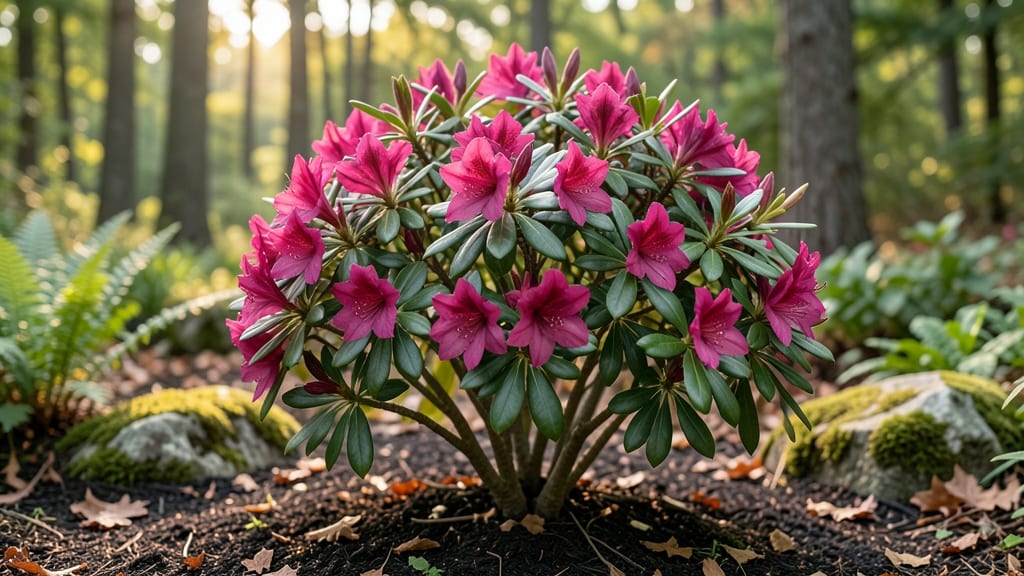
Azaleas bloom in Michigan between late April and early June, with timing varying by variety—early types like Rhododendron 'Girard’s' open in late April, while late varieties such as Rhododendron 'Hershey’s Red' peak in early June. Northern Michigan’s cooler climate may delay blooms by 1-2 weeks compared to southern areas like Detroit.
Michigan’s azalea blooms aren’t just a seasonal event—they’re a climate dance between chilly winters and warming springs. 🌸 The key trigger is consistent soil temperatures above 50°F, which typically happens in late April for southern zones but can wait until early May in the Upper Peninsula.
This is why early bloomers like 'Girard’s' often show color weeks before late varieties like 'Hershey’s Red'. I’ve noticed that well-drained soil and morning sun exposure can push blooms forward by 3-5 days, while heavy mulch helps preserve moisture for longer displays.
What’s fascinating is how microclimates play a role—urban areas with heat islands may see blooms start a week earlier than rural spots. For gardeners, this means monitoring your specific zone (4-6) and choosing varieties that match your local conditions.
For instance, 'Nova Zembla' thrives in cooler zones, while 'Bow Bells' prefers the milder southern climate. Planning your garden layout around these patterns can create a stunning, staggered bloom display from April through June.
💡 In This Article
- Michigan Azalea Blooming Seasons by Hardiness Zone
- Top Michigan Azalea Varieties Ranked by Bloom Time
Michigan azalea blooming seasons by hardiness Zone
Michigan’s azalea blooms are directly tied to the state’s USDA hardiness zones 4-6, where temperature thresholds trigger flowering. The magic number for azaleas is 50°F soil temperature—consistent warmth above this point signals buds to open.
In Zone 6 (southern Michigan), like Detroit or Ann Arbor, this typically happens by late April, while Zone 4 (Upper Peninsula) may wait until early May due to colder springs. The difference? Up to 2-3 weeks in bloom timing between regions.
Cold snaps after buds form can cause "bud blast," where flowers never open. I’ve seen this happen in Zone 5 (central Michigan) when late April temperatures dip below 32°F—a 30% higher risk than in warmer southern zones.
Heat waves before blooming can also stress plants, causing buds to drop prematurely. 🌡️ Soil moisture matters too: well-drained areas with 1-2 inches of mulch maintain consistent temperatures, helping blooms last 2-3 weeks longer than in exposed locations.
Microclimates create even more variation. Urban areas like Ann Arbor often bloom 5-7 days earlier than nearby rural spots due to the "heat island effect"—concrete and buildings trap warmth. Conversely, shaded gardens under large trees may delay blooms by 10 days because soil stays cooler.
For gardeners, this means planting early varieties in cooler microclimates and late bloomers in sunniest spots to extend the seasonal display.
Frost-free dates add another layer. Southern Michigan’s average last frost is April 15, while northern areas see theirs May 1. Planting azaleas near south-facing walls or using black plastic mulch can warm soil by 2-4°F, potentially pushing blooms forward by 3-5 days.
This is why some nurseries recommend "early bloomers" for northern gardens—varieties like 'Girard’s' are bred to handle cooler conditions.
Here’s how zones break down by bloom window:
- Zone 6 (Detroit, Ann Arbor): Late April to early May
- Zone 5 (Lansing, Grand Rapids): Early May to mid-May
- Zone 4 (Marquette, Upper Peninsula): Mid-May to early June
Knowing your zone helps you choose varieties that align with local conditions. For example, 'Hershey’s Red' thrives in Zone 5-6 but may struggle in Zone 4’s harsher winters. The key is matching plant resilience to your specific climate patterns. 🌿