
Pruning
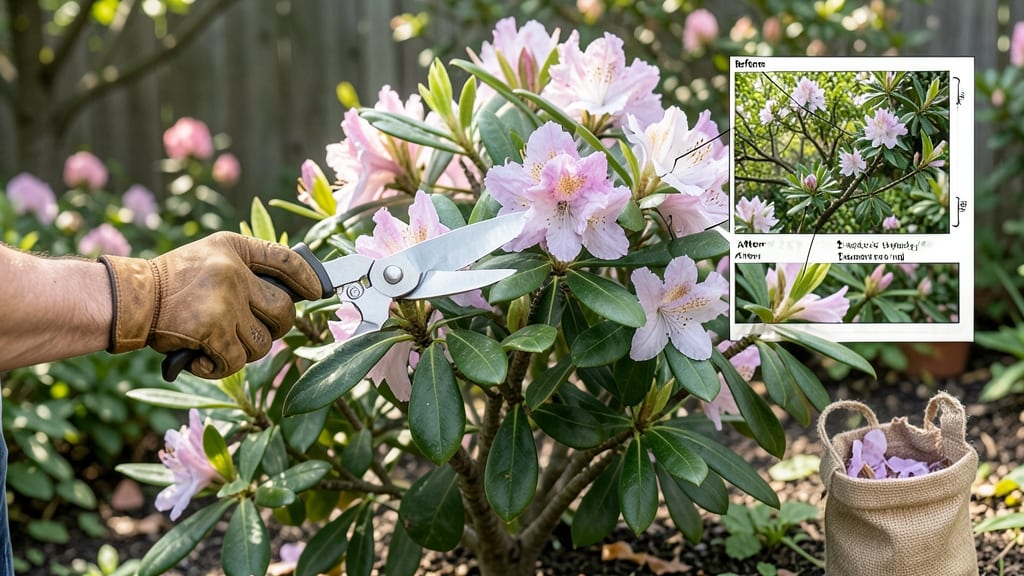
Pruning azaleas that bloom twice a year requires timing it after their first spring bloom—or you risk losing both seasons of stunning 🌸 flowers.
If your twice-blooming azaleas are producing fewer flowers than expected, pruning timing could be the hidden culprit. Unlike single-bloom varieties, these plants need precise seasonal care to trigger both spring and fall blooms—and getting it wrong means sacrificing those stunning seasonal displays.
In USDA Zone 6, the best time to prune is right after the first spring bloom fades, giving the plant 3-4 weeks to recover before encouraging fall blooms.
This timing ensures you don’t accidentally cut off next year’s spring flowers while still shaping the shrub for a second flush later in the year.
Below, I’ll walk you through the exact steps for spring and fall pruning, how to avoid common mistakes, and the tools you’ll need to keep your azaleas thriving with two full seasons of color.
The critical spring pruning window for twice-blooming azaleas
Twice-blooming azaleas are a gardener's dream, offering stunning spring and fall flowers—but only if you prune at the perfect time. Unlike their single-bloom cousins, these shrubs produce buds on old and new wood, meaning one wrong cut can mean no fall blooms next year.
The late winter/early spring window is your only safe chance to shape the plant without sacrificing those highly anticipated fall flowers.
Most gardeners make the mistake of pruning right after planting or during early spring blooming season, both of which can sever next year's flower buds. Twice-blooming varieties like 'Girard's Rose' or 'Hino Crimson' need a delayed pruning approach to ensure both seasonal displays.
The key is waiting until after the first bloom but before the new growth flushes—a narrow window that requires careful timing.
Why this timing matters: Azalea buds form in late summer and fall for the next year's spring bloom, while fall buds develop on new growth after your spring pruning. Cutting too early removes potential spring flower buds, and cutting too late risks overstimulating growth before winter dormancy. Mastering this 3-4 week recovery period is what separates a sparse fall display from a lush, repeat performance.
summary-table
| Pruning Stage | Critical Timing | Goal | Risk if Missed |
|---|---|---|---|
| Late Winter (USDA Zone 6: Feb) | Before buds swell | Remove dead wood | Disease spread |
| Early Spring (USDA Zone 6: March) | After first bloom fades | Shape for fall blooms | Lost spring buds |
| Post-Bloom (USDA Zone 6: April) | 3-4 weeks after pruning | New growth emerges | Stunted fall flowers |
| Fall (USDA Zone 6: Sept-Oct) | After second bloom | Light cleanup only | Winter damage |
The exact steps for your spring pruning begin with sterilizing your tools—use rubbing alcohol on pruners to prevent bacterial spread. Start by removing dead, diseased, or crossing branches first, as these compete with healthy growth.
Next, cut back overly long branches by one-third to encourage fuller, bushier growth that will support next year's spring buds.
Here's the critical rule: Never cut into wood that's darker than pencil lead—this indicates old wood where spring flower buds are already forming. Aim for lighter green stems (new growth) when shaping.
For large shrubs, focus on opening the center to improve airflow and reduce fungal risks like powdery mildew, which thrives in dense azalea foliage.
After pruning, give your azalea a 3-4 week recovery period before expecting new growth. This dormant phase allows the plant to heal and redirect energy toward fall bud formation.
During this time, increase watering slightly (but avoid soggy soil) and apply a balanced fertilizer (like 10-10-10) to support root and shoot development. Look for tiny green buds along the stems by late spring—these are your future fall flowers!
Pro tip: Label your azaleas if you have multiple varieties, as some rebloom more reliably than others. For example, 'Bowl of Beauty' is a heavy fall bloomer, while 'Southern Indica' may need extra pruning encouragement.
Adjust your timing 1-2 weeks earlier in warmer climates (Zone 7+) and 1-2 weeks later in colder zones (Zone 5) to align with local last frost dates.
One common mistake is pruning too aggressively in spring, which can overwhelm the plant before its second bloom cycle. Limit yourself to no more than 25% of the plant's total foliage in any single pruning session.
Fall pruning secrets: when and how to encourage a second bloom
Fall pruning for twice-blooming azaleas might seem counterintuitive—after all, you just spent spring shaping them for maximum spring blooms. But timing your fall cuts correctly can actually boost next year's spring flowers while preparing the plant for winter dormancy.
The key is understanding that azaleas form flower buds on old wood in late summer, so pruning too late can remove next year's blooms before they even appear.
Most gardeners make the mistake of pruning azaleas in late fall or early winter, which is far too late. By then, the plant has already set its buds for next spring.
Instead, aim for a light pruning in early fall—just after the second bloom fades but before hard frost arrives. This 6-week window (mid-September to early November in most USDA Zone 6 areas) gives your azalea time to heal and prepare for winter.
⚠️ callout-warning
Pruning too late removes next year's spring flower buds, which form on old wood in late summer. If you miss this window, you'll sacrifice your spring display entirely. For Zone 7+, push back to November 1, but no later—buds need time to harden off before winter.
Pro Tip: Check your last frost date—prune 4-6 weeks before the first expected frost to allow proper healing.
Here's the 5-step light pruning method I use every fall to encourage a second bloom without risking winter damage. Start by removing dead or crossing branches first—they’re the easiest to spot and won’t affect flower production.
Next, trim back any overly leggy growth that’s stretching beyond the plant’s natural shape, but never cut more than 1/3 of the plant's height in a single session.
Pay special attention to water sprouts—those vertical shoots growing straight up from the base or along branches. These compete with flower buds for energy and should be cut back to the nearest bud or branch collar.
Use sharp, clean pruners and make cuts at a 45-degree angle just above a bud or branch node to encourage healthy regrowth. Avoid leaving stubs, as they can invite disease.
The final step is thinning out the center of the plant to improve airflow and sunlight penetration. Focus on older, woodier branches here—these won’t produce new flowers but will help the plant maintain its structure.
After pruning, give your azalea a light layer of mulch (2-3 inches) to protect roots from freezing temperatures and retain moisture during winter.
Remember, fall pruning isn’t about heavy shaping like spring cuts—it’s about maintenance and preparation. By keeping it light, you’re telling your azalea, "You’ve done great this year; now rest up for next spring’s big show."
With this approach, you’ll see healthier plants, more abundant blooms, and fewer surprises when spring rolls around.