
Blooming
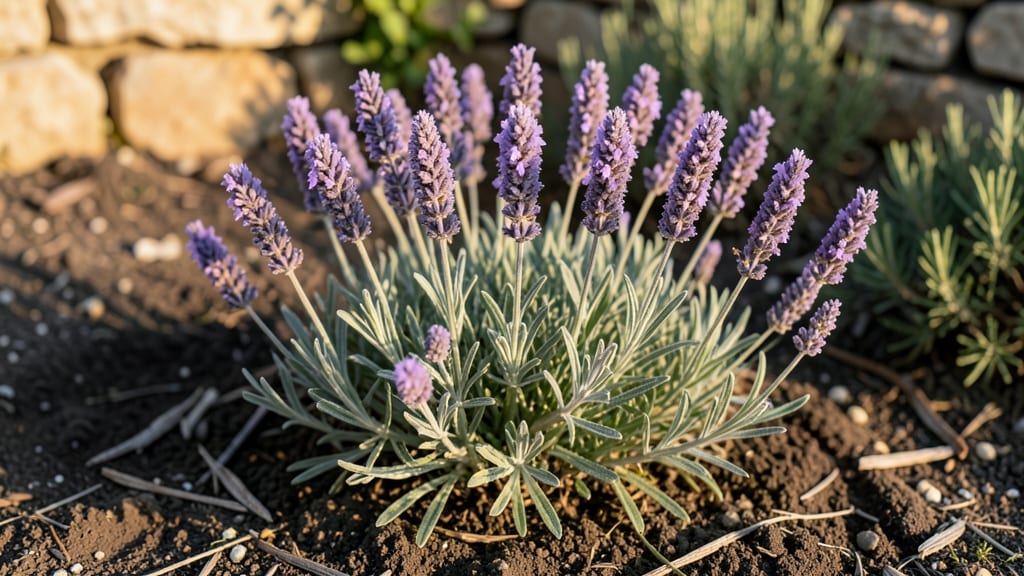
Summer-blooming plants turn your garden into a nonstop color show from June through September. 🌻 I’ve tested dozens of varieties, and these 15 stand out for their bold hues, long bloom times, and beginner-friendly care—whether you’re filling borders, containers, or sunny patches.
The secret isn’t just picking pretty flowers—it’s matching plants to your sunlight, soil, and watering habits. Drought-tolerant lavender thrives in full sun with almost no fuss, while hydrangeas love afternoon shade and moist, well-draining soil.
Regional tweaks matter too: USDA Zones 3-7 handle hardy perennials like coneflowers, while Zones 8-10 shine with tropical annuals like cannas. You’ll end up with cutting gardens that last months, pollinator magnets, and low-maintenance stars like black-eyed Susans or salvia.
The best part? Mixing textures—velvety lamb’s ear with spiky yarrow—creates drama without extra work. Perfect for first-time gardeners, small spaces, or drought-prone yards. Let’s dive into the top 15 that’ll keep your garden buzzing with life all season.
Nature’s Summer Bloom Trigger
Summer is the season when gardens burst into color, but why do certain plants choose this time to bloom? The answer lies in a mix of environmental cues, evolutionary strategies, and plant biology. Understanding these factors helps gardeners select the right plants and create optimal conditions for vibrant summer displays.
Most summer-blooming plants rely on two key environmental factors: longer daylight hours and warmer temperatures. Here’s how they work together:
- Photoperiodism: Many plants, called long-day plants, detect increasing daylight (14+ hours) and trigger flowering. For example, Zinnias and Sunflowers use this cue to time their blooms for peak summer sun. Pro tip: If your region has shorter summers, supplement with grow lights to encourage flowering.
- Thermal Requirements: Heat accelerates metabolic processes, including flower production. Plants like Lantana and Pentstemon need consistent warmth (60–90°F) to bloom. Watch out: Sudden cold snaps can stall or damage buds.
- UV Radiation: Higher UV levels in summer signal plants to produce pigments like anthocyanins (the compounds that create deep reds and purples in flowers like Petunias).
Plants don’t bloom randomly—they’ve adapted to maximize reproduction during summer for specific reasons:
| Strategy | Plant Examples | Why It Works |
|---|---|---|
| Attracting Pollinators | Bee Balm, Coneflowers, Butterfly Weed | Summer’s abundance of bees, butterflies, and hummingbirds ensures cross-pollination. Bright colors and nectar lure these visitors. |
| Drought Tolerance | Lavender, Salvia, Yarrow | These plants store water and bloom when soil moisture is still reliable, avoiding the dry heat of late summer. |
| Seed Dispersal Timing | Cosmos, Marigolds | Seeds mature just as summer transitions to fall, giving them time to germinate before winter sets in. |
While summer is dry in many climates, some plants thrive in these conditions and even prefer them:
- Drought-Adapted Species: Plants like Blanket Flower (Gaillardia) and Russian Sage store water in their roots and bloom profusely despite heat. Actionable tip: Mulch around these plants to retain moisture without overwatering.
- Moisture-Loving Bloomers: Others, like Water Lilies or Canna Lilies, need consistent water to flower. They rely on summer rains or irrigation to keep buds hydrated.
- Soil pH and Nutrients: Summer blooms often require well-draining, fertile soil. A soil test can reveal if your garden lacks phosphorus (critical for flower development) or nitrogen (which can delay blooming).
Fun fact: Some plants, like Four O’Clocks, only open their flowers in bright light—another summer adaptation to maximize pollinator visits during the sunniest hours!
Revitalize Your Summer Garden
If your summer garden isn’t putting on the vibrant show you envisioned, don’t worry—there are simple, effective ways to bring back those blooms and keep your outdoor space thriving.
Whether it’s overcrowded plants, poor soil health, or pests and diseases, these solutions will help you diagnose and fix common issues so your garden bursts with color all season long. 🌸🌿
When plants compete for sunlight, water, and nutrients, they struggle to bloom. Here’s how to give them space to shine:
- 🔪 Prune and Thin Out
- Trim back overgrown foliage to improve airflow and reduce competition.
- Remove weaker or leggy stems to redirect energy toward stronger blooms.
- Pro Tip: 💡 Use clean, sharp shears to avoid damaging stems—dull tools can stress plants further.
- 🌱 Replant or Divide
- If perennials (like coneflowers or black-eyed Susans) are overcrowded, dig up clumps and divide them into smaller sections.
- Transplant excess plants to borders, containers, or even share with neighbors to free up space.
- 🌞 Optimize Plant Placement
- Group plants with similar sunlight needs together (e.g., sun-lovers like lavender near the south side, shade-tolerant ferns under trees).
- Avoid planting tall varieties (like sunflowers) where they’ll block shorter bloomers (like marigolds).
Healthy soil = happy plants. If your garden’s soil is depleted or compacted, blooms will suffer. Try these fixes:
- 🍄 Amend the Soil - Mix in compost or well-rotted manure to replenish nutrients. Aim for 2–3 inches worked into the top 6–12 inches of soil. - For sandy soil, add peat moss or coconut coir to retain moisture.
For clay soil, blend in perlite or sand to improve drainage. - Pro Tip: 🌡️ Test your soil’s pH (most summer bloomers prefer slightly acidic to neutral, pH 6.0–7.0). Adjust with lime (to raise pH) or sulfur (to lower it) if needed.
- 💧 Feed with the Right Fertilizer
- Use a balanced, slow-release fertilizer (like 10-10-10) at planting time, then switch to a low-nitrogen, high-phosphorus formula (like 5-10-10) mid-summer to encourage blooming.
- Avoid high-nitrogen fertilizers—they promote leafy growth but stunt flowers!
- Pro Tip: ✨ For organic options, try fish emulsion or bone meal for a phosphorus boost.
- 💧 Mulch Like a Pro
- Apply 2–4 inches of mulch (straw, shredded bark, or pine needles) to retain moisture, suppress weeds, and regulate soil temperature.
- Keep mulch 2–3 inches away from plant stems to prevent rot.
Unwanted critters and fungal issues can wilt blooms before they even open. Act fast with these remedies:
- 🐜 Identify and Remove Pests
- Aphids/Spider Mites: Blast off with a strong spray of water or use neem oil (mix 1 tbsp per quart of water, spray every 5–7 days).
- Japanese Beetles: Handpick them into soapy water or set up traps with grapevine prunings.
- Slugs/Snails: Use copper tape around pots or beer traps (bury a container filled with beer—slugs drown in it!).
- Pro Tip: 🎯 Inspect plants early in the morning when pests are sluggish and easiest to spot.
- 🍄 Prevent Fungal Issues - Powdery Mildew: Improve airflow by spacing plants and watering at the base (not overhead).
Spray with baking soda solution (1 tsp baking soda + 1 quart water + a drop of dish soap). - Blight: Remove infected leaves immediately and apply copper fungicide preventatively. - Pro Tip: 💡 Water early in the morning so foliage dries quickly—wet leaves invite fungal growth.
- 🐝 Encourage Beneficial Bugs
- Plant marigolds, basil, or dill near bloomers to attract ladybugs and lacewings, which devour pests.
- Install a small birdbath or shallow dish of water to lure in predatory insects.
Even the hardiest summer bloomers need consistent attention. Follow this checklist to keep them thriving:
- 💧 Water Wisely - Deep watering (1–2 inches per week) encourages strong roots.
Shallow watering leads to weak stems and sparse blooms. - Water early morning or late evening to reduce evaporation and fungal risks. - Pro Tip: 🌡️ Use a soaker hose or drip irrigation to deliver water directly to roots—less waste, more efficiency!
- ☀️ Adjust for Extreme Heat
- Shade Cloth: Provide 30–50% shade for heat-sensitive plants (like impatiens) during peak afternoon sun.
- Mulch Thickly: Helps insulate roots and retain moisture in scorching temps.
- Deadhead Regularly: Removing spent blooms (like on zinnias or petunias) redirects energy to new flowers instead of seed production.
- 🌿 Deadhead and Prune for Continuous Blooms - Snip off wilted or faded flowers with clean shears to encourage more blooms.
This works wonders for annuals (like cosmos) and perennials (like bee balm). - For woody shrubs (like hydrangeas), trim back leggy growth after flowering to promote bushier, fuller blooms next season.
With these fixes, your summer garden will be a nonstop parade of color—no more wilted dreams, just vibrant blooms from now until frost! 🌺🔥 Ready to roll up your sleeves and get growing?
Frequently asked questions
Which summer-blooming plants attract the most pollinators?
Look for bee balm, coneflowers, and butterfly weed—these are top pollinator magnets! Their bright blooms produce abundant nectar, drawing bees, butterflies, and hummingbirds. Plant them near each other to create a buzzing ecosystem that supports local wildlife.
Can I grow summer flowers in containers?
Petunias, geraniums, and zinnias thrive in pots with at least 6-inch deep soil. Use lightweight potting mix and ensure containers have drainage holes. Group plants with similar water needs together for easier care.
How do I extend summer blooms until frost?
Deadhead spent flowers regularly and fertilize with a low-nitrogen, high-phosphorus formula every 4-6 weeks. For tender annuals, bring containers indoors before the first frost or cover them with frost cloth to protect delicate blooms.
What are the easiest summer flowers for beginners?
Start with marigolds, cosmos, and lamb's ear—they're nearly foolproof! These plants tolerate poor soil, need minimal watering, and bloom prolifically with almost no effort. Perfect for first-time gardeners!
Why aren't my summer flowers blooming?
Check for these common issues: too much nitrogen (promotes leaves, not flowers), overcrowding (steals sunlight), or lack of deadheading. Also verify they're getting 6+ hours of sunlight daily—most summer bloomers need full sun to produce flowers.