
Blooming
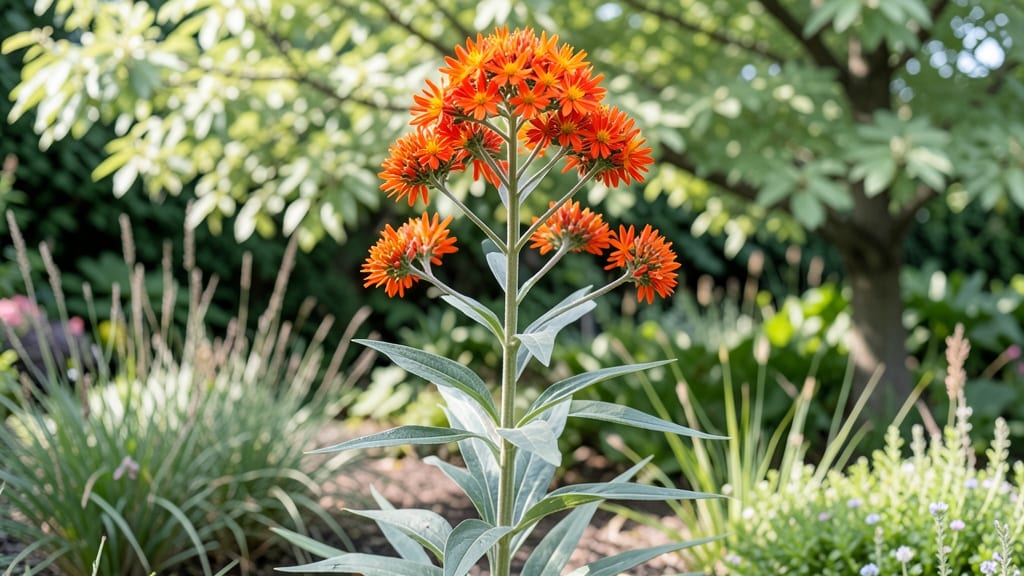
Butterfly weed blooms in late spring to early summer 🦋, turning your garden into a pollinator paradise with its bright orange clusters—but timing varies wildly by your zone.
Picture this: you’ve spent months prepping your beds, only to watch your neighbors’ butterfly weed burst into color while yours lingers as bare stems. That’s the frustration of misjudging bloom windows, and it happens more often than you’d think.
In Zone 6a, expect those vibrant spikes to appear by mid-June, while warmer climates like Zone 9 see flowers as early as April. Sunlight, soil, and even last year’s growth all play a role in pushing that bloom time earlier—or delaying it for weeks.
Below, I’ll break down the exact months to expect blooms in your area, how to coax your plants into flowering faster, and why this timing matters for your pollinator friends. Let’s get those orange blooms on schedule!
Butterfly weed bloom time by USDA hardiness Zone: exact months to expect flowers
Butterfly weed (Asclepias tuberosa) is a pollinator superstar, but its bloom timing varies dramatically across the country.
In cooler USDA Zones 3–5, you’ll typically see flowers emerge in late May to early June, while warmer Zones 9–10 can enjoy blooms as early as March or April.
Understanding these patterns helps you plan your garden for maximum impact and ensures you’re ready when those bright orange clusters appear.
The key to predicting bloom time lies in your local climate and frost dates. Butterfly weed thrives in full sun and well-draining soil, but its flowering schedule shifts based on when the soil warms consistently.
In northern regions, plants may wait until soil temperatures reach 60°F (15°C), while southern gardens can start earlier. Let’s break down the exact months by zone to help you time your garden planning perfectly.
🌱
| USDA Zone | Typical Bloom Start | Peak Bloom Period | Bloom End | Climate Notes |
|---|---|---|---|---|
| Zones 3–4 | Late May | June–July | Early August | Short season; frost-sensitive |
| Zones 5–6 | Early June | June–August | Mid-September | Moderate drought tolerance |
| Zones 7–8 | Late April–May | May–September | October | Longest bloom window |
| Zones 9–10 | March–April | April–June | July | Early bloomer; heat stress risk |
If you’re in Zones 9–10, you’ll likely see butterfly weed blooms as early as March, making it one of the first pollinator-friendly flowers of the year. These early bloomers are perfect for attracting queen butterflies and hummingbirds when food sources are scarce.
However, be cautious—heat stress in late spring can shorten the bloom window if temperatures exceed 90°F (32°C) for prolonged periods.
For gardeners in Zones 3–5, patience is key. The late May start means you’ll need to plan companion plants that bloom earlier, like columbine or lupine, to maintain pollinator activity.
In these cooler zones, butterfly weed may also experience dormancy in summer if soil moisture drops too low, so mulching helps retain moisture and encourages a second flush of blooms in late summer.
In Zones 6–8, you’ll enjoy the longest bloom season—often from late April through September. This extended window makes butterfly weed a garden staple for attracting monarchs and other pollinators.
To maximize blooms, ensure your plants receive at least 6 hours of sunlight daily and avoid overwatering, which can lead to root rot and reduce flowering.
🦋
One common misconception is that butterfly weed blooms only once per season. With proper care, you can encourage multiple bloom cycles by deadheading spent flowers and providing well-draining, slightly alkaline soil.
In drought-prone areas, like Zones 7–10, reduce watering in summer to prevent stress, but keep soil moist during establishment year (first year after planting).
For those in Zone 4, where winters are harsh, butterfly weed may go completely dormant. Planting in sheltered microclimates, like near a south-facing wall, can help delay frost damage and extend the growing season. In these regions, consider mulching heavily in fall to protect roots from freezing.
🌻
To summarize, butterfly weed’s bloom time is highly predictable once you know your zone. Early bloomers in Zones 9–10 offer a March–June show, while Zones 3–5 gardeners should expect a June–August display.
By aligning your planting and care strategies with these timelines, you’ll create a pollinator-friendly garden that thrives season after season.
How to extend butterfly weed bloom time: pruning, deadheading, and care tips
Butterfly weed (Asclepias tuberosa) naturally blooms for 4-6 weeks in late spring to summer, but with the right care, you can stretch those vibrant orange clusters into 8-10 weeks of continuous color.
The secret lies in understanding its growth cycle—when to prune, how to feed it, and when to let it rest. I’ve learned that aggressive deadheading can backfire if done wrong, while strategic soil amendments and seasonal watering make all the difference in prolonging blooms.
First, let’s address the biggest myth: pruning butterfly weed too early can stunt next year’s blooms. Many gardeners mistakenly cut back stems after the first flush of flowers, thinking it encourages new growth.
But butterfly weed stores energy in its roots, and premature pruning robs it of the nutrients needed for future spikes. Instead, focus on deadheading spent blooms—but only after they’ve fully faded and seed pods begin to form.
- 1 Deadhead after seed pods form: Snip 1 inch below faded blooms in late summer to redirect energy to root storage for next year’s spikes. Never prune before July—this is when the plant sets buds for spring blooms.