
Flowers
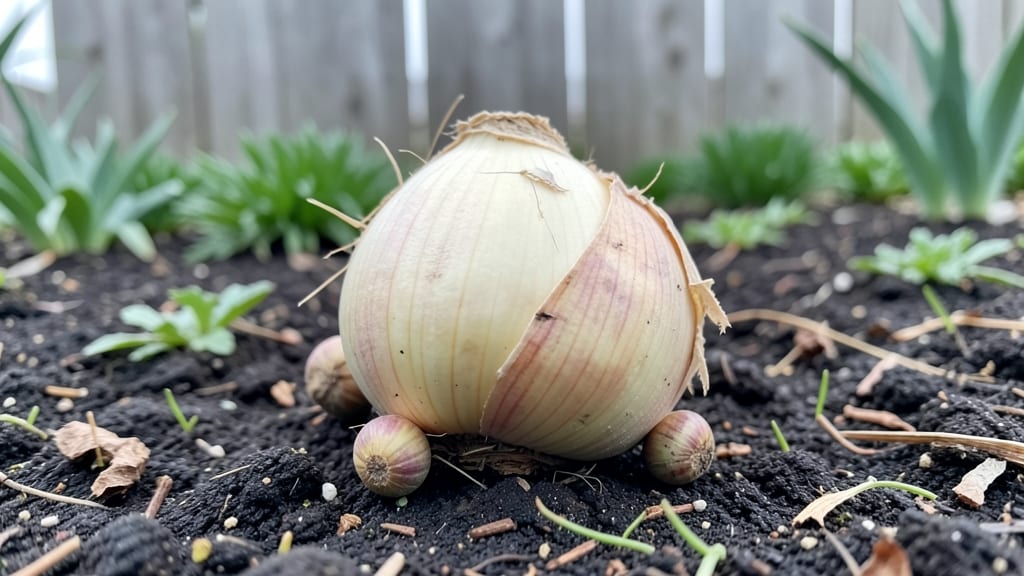
A bulb is a modified underground plant structure storing nutrients in layered scales, enabling perennials like tulips and daffodils to survive winter and produce vibrant flowers each season through stored energy and optimized growth cycles.
These layered structures aren't just storage—they're survival genius. 🌱 Each scale acts like a tiny battery, packed with starches and sugars that fuel spring growth when sunlight returns.
Unlike tubers or rhizomes, bulbs develop specialized layers that protect against freezing while keeping nutrients concentrated, which is why you'll see tulips and hyacinths bursting through snow.
The magic happens when temperatures rise: hormones trigger the top layers to sprout while the lower ones stay dormant, creating that perfect bloom cycle.
💡 In This Article
- How Plant Bulbs Store Energy for Flowering
- Best Practices for Planting and Growing Flower Bulbs
How plant bulbs store energy for flowering
Bulbs are nature's perfect survival machines, storing energy in concentric layers like an onion's rings. The key lies in their fleshy scales, which are modified leaves packed with starches, sugars, and proteins.
For example, a single tulip bulb can store up to 20% starch by weight—enough to fuel a 12-inch stem and vibrant bloom. These scales remain dormant through winter, preserving nutrients while protecting the delicate growing point at their core.
The storage mechanism differs from tubers (like potatoes) or rhizomes (like ginger). While tubers store energy in thickened stems and rhizomes in horizontal roots, bulbs concentrate nutrients in overlapping leaf bases.
Some bulbs, like onions, have dry, papery tunics protecting the inner scales, while others, like lilies, develop juicy, translucent layers that store moisture too. This layered design allows bulbs to survive freezing temperatures—tulips can endure -20°F—while keeping their energy reserves intact.
The flowering process begins when spring warmth triggers auxin hormones in the top layers. These hormones signal the bulb to break dormancy, causing the top scales to sprout while the lower ones remain dormant. The stored starches convert to sugars through enzymatic hydrolysis, providing instant energy for rapid growth.
This is why you'll see daffodils pushing through snow—even before leaves appear above ground, their roots are already converting 15-20% of their bulb's weight into usable energy.
What makes bulbs unique is their two-phase growth cycle. First, they build energy reserves during summer growth (when leaves photosynthesize). Then, they enter dormancy, storing these reserves until spring.
Unlike annuals that rely on current photosynthesis, bulbs act like living batteries, capable of producing flowers for 5-10 years with just their stored energy. This is why gardeners can plant bulbs in fall and get spring blooms without any summer care.
For comparison, tubers like potatoes store energy in thickened stem tissue (not leaves) and lack the protective layers of bulbs. Rhizomes store nutrients along horizontal roots but don't have the concentrated energy packets found in bulb scales.
The bulb's layered design gives it a 3:1 advantage in energy density—meaning more power packed into a smaller space, which is why bulbs dominate spring gardens worldwide.
Here's what's actually happening underground: As temperatures rise above 40°F, the bulb's growing point (the tiny bud at the center) begins dividing cells rapidly. The stored starches break down into simple sugars, which fuel this growth.
Within 4-6 weeks, a single bulb can produce enough energy to support 10-20 flowers while growing new leaves for next year's reserves. This precise timing explains why bulbs bloom so reliably each spring—it's all programmed into their genetic survival strategy.