
Blooming
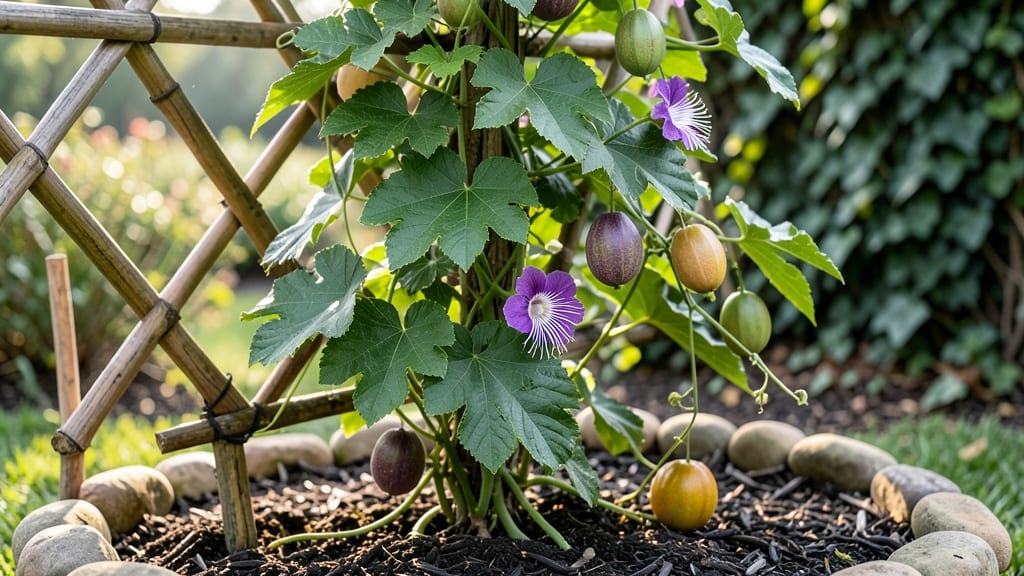
To bloom passion fruit, create ideal conditions with warm temperatures (60-85°F), 6+ hours of sunlight daily, and regular pruning to stimulate growth. Use phosphorus-rich fertilizer in early spring and keep soil evenly moist without overwatering for best results.
Passion fruit vines thrive when they receive consistent warmth and light, mimicking their tropical origins. 🌿 The key is balancing these elements—too much heat without proper airflow can stress the plant, while insufficient sunlight stunts flower development.
I've found that pruning in late winter or early spring (just before new growth begins) encourages vigorous flowering by redirecting the plant's energy toward producing blooms rather than excessive foliage.
Another critical factor is soil health. Passion fruit plants respond beautifully to a phosphorus boost in early spring, which supports root development and flower formation. However, avoid overwatering—soggy soil can lead to root rot, which directly impacts flowering potential.
Think of it like nurturing a picky eater: you want to provide just the right conditions without overwhelming the plant.
For best results, I recommend hand-pollinating flowers in the morning when bees are least active. Simply use a small brush to transfer pollen between blooms—this can double your fruit yield in areas with low pollinator activity.
The combination of proper care and a little extra attention makes all the difference in transforming those lush vines into a bountiful harvest.
💡 In This Article
- Optimal Conditions for Passion Fruit Flowering
- Step-by-Step Guide to Pruning and Fertilizing Passion Fruit Vines
Optimal conditions for passion fruit flowering
Passion fruit plants originate from tropical climates, so their flowering cycles depend heavily on replicating those warm, stable conditions. The ideal temperature range for blooming is 60-85°F, with nighttime temperatures never dropping below 50°F.
Below 55°F, flower buds may fail to open, while temperatures above 90°F can cause buds to drop prematurely. This sensitivity explains why passion fruit thrives in USDA zones 8-11—any colder, and the plant conserves energy by focusing on leaf growth rather than reproduction. 🌞
The sunlight requirement of 6+ hours of direct sunlight daily isn't just about energy—it's about triggering photoperiodism, a natural process where plants detect day length changes. Passion fruit vines respond to 12-14 hours of daylight by producing more floral hormones (florigen), which signal the plant to bloom.
In northern climates, supplement with grow lights during winter months when daylight drops below 10 hours. Interestingly, partial shade during the hottest afternoon hours can actually improve flower retention by reducing heat stress on delicate buds.
Soil pH between 6.0-7.5 creates the perfect balance for nutrient uptake, particularly phosphorus and potassium which are essential for flower development. At pH levels below 6.0, aluminum and manganese become toxic to roots, while above 7.5, phosphorus becomes locked in the soil and unavailable.
Test your soil annually—passion fruit plants show visible stress when deprived of these nutrients, often through yellowing leaves or stunted growth before flowering even begins. The right pH ensures the plant can efficiently convert nutrients into floral energy. 🌱
Pruning plays a surprising role in flowering stimulation. When you remove 20-30% of old wood in late winter, you're not just shaping the plant—you're forcing it to redirect its energy toward new growth.
This new growth becomes the primary site for flower production, as the plant prioritizes reproductive structures over maintaining established branches. The key is timing: prune just before the natural growth surge in spring, when temperatures consistently stay above 65°F.
This timing ensures the plant has energy reserves to support both new foliage and floral development.
Another often-overlooked factor is airflow. Passion fruit vines need 3-4 feet of space between plants to prevent fungal diseases like powdery mildew, which can destroy flower buds before they open. The open structure also allows sunlight to penetrate lower branches where many flowers develop.
In container growing, choose wide, shallow pots with drainage holes—root-bound plants produce fewer flowers as they focus on survival rather than reproduction. The right growing conditions create a virtuous cycle where healthy foliage supports abundant flowering. ✨
What most gardeners don't realize is that passion fruit vines actually produce two types of flowers: hermaphroditic (fertile) and male (sterile). The hermaphroditic flowers are the ones that develop into fruit, and they're more likely to form when the plant receives consistent care.
Under stress conditions—whether from temperature swings, poor soil, or improper watering—the plant may produce more male flowers as a survival mechanism. This explains why some vines appear to bloom profusely but yield little fruit: they're producing flowers that can't develop into harvestable passion fruit. 💫