
Blooming
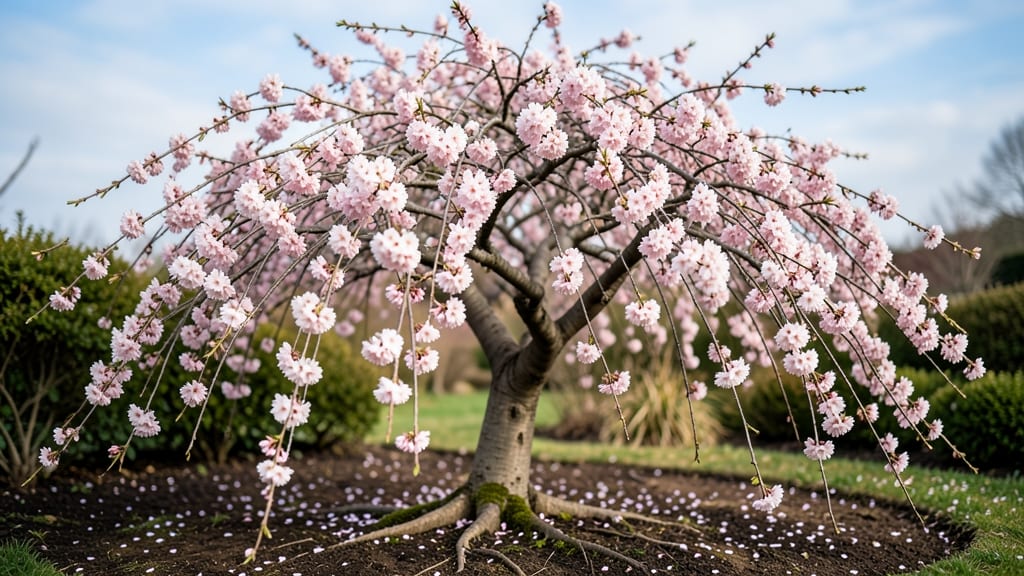
The weeping cherry’s bloom time can be shifted dramatically with the right pruning tricks—turning those delicate pink flowers into a spring and fall spectacle.
Picture this: your yard bursting with color in May and October, thanks to a few well-timed cuts. Most gardeners assume bloom time is fixed, but it’s actually one of the most flexible aspects of growing these showstopping trees.
From understanding how your USDA zone affects timing to learning which branches to trim (and when), you’ll discover how to extend your tree’s bloom season without sacrificing its health.
Whether you want to delay blooms for a late-summer show or coax them earlier to beat frost, this guide breaks down the science—and the simple steps—to make it happen.
Natural weeping cherry bloom time: seasonal patterns and climate factors
Weeping cherry trees (Prunus subhirtella or Prunus pendula) are famous for their cascading pink blossoms, but their bloom time varies dramatically based on climate zones and tree maturity.
Most varieties flower in late winter to early spring, but some stunning cultivars—like Prunus subhirtella 'Autumnalis'—bloom in fall or winter, defying seasonal norms. Understanding these patterns helps you anticipate their beauty and time pruning for optimal results.
In USDA Zones 5-7, weeping cherries typically bloom between March and April, while warmer Zones 8-9 may see flowers as early as February or as late as May, depending on winter chill hours.
The key factor? Chill requirements—most weeping cherries need 400-1,000 hours below 45°F (7°C) to trigger blooms. Without enough chill, buds may drop, leaving you with sparse flowers.
Here’s how to decode your tree’s signals: Bud swell in late winter means blooms are imminent, while leaf-out before flowers (common in warm climates) signals a late bloom.
Pay attention to these cues—they’re your pruning guide. For example, if buds swell in January, prune after blooming to avoid cutting off next year’s flowers.
🌸
If you live in a warmer zone (8-9), your weeping cherry might struggle with bud break failure due to insufficient chill. To compensate, plant in a cooler microclimate (e.g., near a north-facing wall) or choose low-chill varieties like 'Pendula Plena'.
Conversely, in cooler zones (5-6), late frosts can damage early blooms—opt for late-blooming cultivars like 'Kiku-shidare-zakura' to avoid frost risks.
Your tree’s growth rate also hints at bloom timing. Faster-growing trees (e.g., 12+ inches per year) often bloom later, while slower growers (e.g., 6–12 inches per year) may flower earlier.
For example, a 5-year-old tree in Zone 6 might bloom in mid-April, while a 10-year-old could flower by early April. Track your tree’s height annually to predict blooms.
🌿
Climate isn’t the only player—soil temperature matters too. Weeping cherries thrive in well-draining soil that warms quickly in spring. If your soil stays cold (e.g., heavy clay), blooms may delay by 1–2 weeks.
Test your soil’s drainage and temperature in early spring: stick a thermometer 6 inches deep—ideal bloom timing occurs when soil hits 50°F (10°C) consistently. Amend cold soil with compost or sand to speed up warming.
One often-overlooked factor is light exposure. Weeping cherries need full sun (6+ hours daily), but partial shade can delay blooms by up to 3 weeks. If your tree is under filtering shade (e.g., near tall pines), consider thinning nearby branches or relocating it to a sunnier spot.
Even dappled shade from deciduous trees can shift bloom time—watch for buds forming on south-facing branches first.
🪴
Pro tip: Use a bloom calendar to track your tree’s pattern. Note the first day of bud swell, peak bloom, and last petal fall for 2–3 years. This data helps you adjust pruning and predict future bloom windows.
For instance, if your tree blooms in early April, prune in late April to early May to avoid cutting off next year’s flowers. But if it blooms in December, wait until June to prune safely.
Finally, remember that stress delays blooms. Overwatering, drought, or heavy pruning can cause your weeping cherry to skip flowering entirely. Keep soil moist but not soggy, fertilize lightly in early spring, and avoid pruning in fall—this stresses the tree and disrupts bloom signals.
With these climate-smart strategies, you’ll enjoy reliable, stunning blooms year after year.
How to delay weeping cherry blooms: pruning techniques for later seasons
Want to push back those stunning weeping cherry blooms? With the right pruning techniques, you can shift bloom time by weeks or even months. The key is understanding how selective pruning affects flower buds and timing your cuts precisely.
Unlike most trees, weeping cherries respond well to summer pruning, which can delay blooming until fall or early winter.
This method works best for mature trees with established growth patterns. Younger trees may need gentler adjustments to avoid stress. Always use sharp, sterilized tools to prevent disease and ensure clean cuts.
The goal is to remove last year's flower buds while preserving new growth that will produce blooms later in the season.
Step-by-Step Pruning Guide for Delayed Blooms
- 📅 Timing: Prune in late summer (August) or early fall (September) after 50% of new growth has hardened off. Avoid pruning after October 1st in most climates.
- ✂️ Tools: Use bypass pruners for branches ½ inch thick or smaller, and a pruning saw for thicker branches. Sterilize tools with rubbing alcohol before starting.
- 🌿 Selective Removal: Cut back 1/3 of the oldest branches to reduce flower bud load. Focus on semi-mature wood (1-3 years old) where buds form.
- 🌱 Thinning: Remove crossing or rubbing branches first. Then, thin out overcrowded areas to improve air circulation and light penetration.
- ⏳ Monitor Growth: After pruning, watch for new shoots that form from the cuts. These will produce next year’s blooms, delayed by 6-12 months.
- 💧 Post-Pruning Care: Water deeply to encourage root growth. Apply a balanced fertilizer (10-10-10) in early spring to support new blooms.
One common mistake is pruning too aggressively in spring or early summer. This can shock the tree and reduce bloom potential entirely. Another pitfall is removing too many branches at once, which weakens the tree’s ability to support delayed flowers.
Always prune in stages if your tree is large or mature.
For best results, combine this technique with regular summer watering (every 7-10 days) to reduce stress. Mulch around the base with 2-3 inches of organic mulch to retain moisture and regulate soil temperature. This helps the tree recover faster and ensures stronger growth for next season’s delayed blooms.
If you live in a warmer climate (USDA Zone 8+), you may see blooms as late as November or December with this method. In cooler zones (USDA 5-7), aim for October blooms by pruning in early September.
Always adjust timing based on your local last frost date to avoid winter damage to new growth.
With patience and precision, you’ll enjoy extended bloom seasons that keep your garden vibrant well into fall or early winter. The secret lies in understanding your tree’s growth cycle and working with—not against—its natural rhythms. 🌸