
Blooming
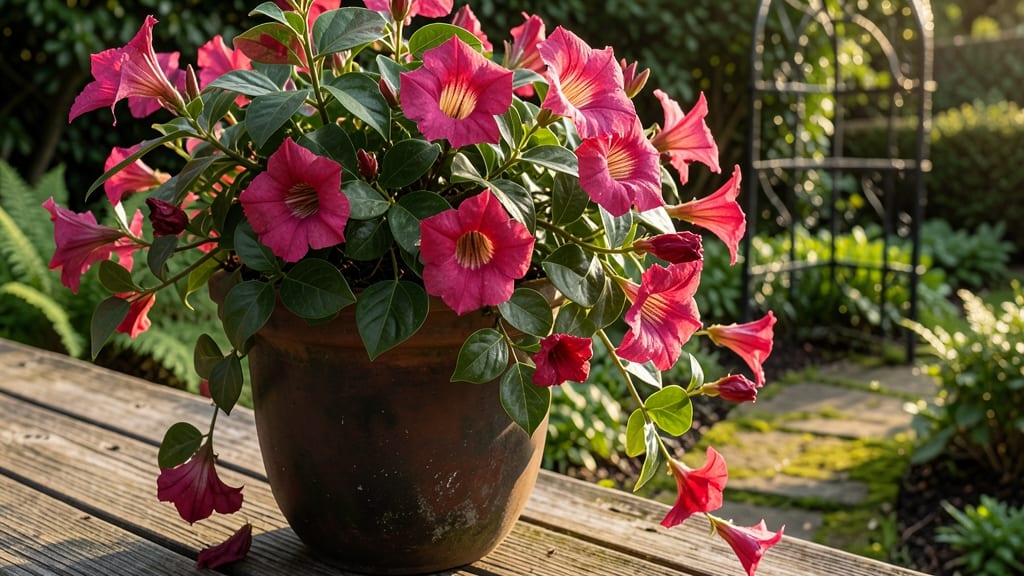
The mandevilla bloom time thrives in stunning purple splendor during spring and summer, but with the right care, you can stretch those vibrant spikes into fall—sometimes even year-round in warm zones.
Struggling to keep your Mandevilla’s stunning purple blooms lasting all summer? The secret lies in understanding its natural bloom cycle—and how strategic pruning can trick it into flowering longer than ever.
Most Mandevillas 🌺 peak in late spring to early summer, but cooler temps or poor light can cut blooms short. The good news? A few simple adjustments—like trimming at the right time or feeding just before buds form—can turn a three-month show into a six-month spectacle.
Below, I’ll walk you through the exact pruning schedule, seasonal care tweaks, and common mistakes that rob your plant of its best blooms—so you can enjoy those cascading flowers from May through October (or longer).
Understanding Mandevilla bloom time: when and why it flowers
If you’ve ever marveled at your Mandevilla’s vibrant purple trumpet-shaped blooms and wondered why they seem to vanish by late summer, you’re not alone. This tropical beauty follows a predictable bloom cycle tied to its natural environment—one that gardeners can influence with the right care.
Understanding these patterns is key to unlocking longer, more abundant flowering throughout the growing season.
The Mandevilla’s primary bloom window typically spans from late spring to early fall, peaking in June and July in most USDA Zones 10-12. In cooler climates, container-grown plants may bloom slightly later or require winter protection.
This seasonal rhythm isn’t random—it’s triggered by temperature shifts, sunlight exposure, and dormancy cues that we’ll explore further.
Here’s the science behind those show-stopping purple spikes: Mandevilla is a tropical vine that responds to longer daylight hours (a process called photoperiodism).
As days lengthen in spring, your plant receives the signal to produce flower buds. Warm temperatures (70–85°F) further accelerate bloom development, while consistent moisture and balanced nutrients keep the flowers thriving once they open.
But here’s the catch: Mandevilla’s bloom cycle isn’t just about sunshine—it’s also about dormancy triggers. In cooler zones, your plant may enter a resting phase in winter, dropping buds and leaves to conserve energy.
Even in warm climates, temperature dips below 50°F can shock the plant into early dormancy, cutting blooms short. Recognizing these environmental cues helps you time care routines for maximum impact.
| Factor | Optimal Range | Impact on Blooms |
|---|---|---|
| Daylight Hours | 12+ hours (spring-fall) | Triggers bud formation; longer days = more blooms |
| Temperature | 70–85°F (day), 60–70°F (night) | Below 50°F causes shock; above 90°F may reduce blooms |
| Sunlight | 6+ hours direct sun | Full sun = brighter blooms; partial shade delays flowering |
| Soil Moisture | Consistently moist (not soggy) | Underwatering = dropped buds; overwatering = root rot |
| Nutrients | Balanced 10-10-10 fertilizer | High phosphorus promotes blooms; nitrogen-heavy = leafy growth |
| Dormancy Trigger | Temps <50°F or short days | Plant may drop buds or enter rest; prune strategically to encourage rebloom |
Let’s break down how these factors play out in real-world scenarios. In my Zone 9b garden, my Mandevilla ‘Alice du Pont’ begins forming buds in mid-April when daytime temperatures consistently hit 75°F.
By May 1st, the first purple trumpets emerge, and the peak bloom period stretches until late September—unless we get an early frost. The key? Monitoring temperature trends and adjusting care to maintain those ideal 70–85°F conditions.
Soil conditions also play a surprising role in bloom timing. Mandevilla thrives in well-draining, slightly acidic soil (pH 6.0–6.5). If your soil is too alkaline or compacted, the plant diverts energy to root health instead of flowering.
I once had a Mandevilla ‘Sunset Rouge’ that refused to bloom until I amended the soil with peat moss and perlite—the difference was night-and-day! Aim for a loamy, airy mix to keep roots happy and blooms coming.
Light exposure is another game-changer. While Mandevilla can tolerate partial shade, it won’t flower as prolifically without 6+ hours of direct sunlight.
In my container-grown plants, I’ve noticed that those placed on east-facing patios (morning sun) bloom slightly later but last longer into fall compared to south-facing plants. The trade-off? South-facing Mandevillas produce
Pruning tricks to extend Mandevilla blooms for months
Your Mandevilla’s purple blooms can last all summer with the right pruning techniques. The key is timing—cut too early, and you’ll sacrifice flowers; wait too long, and you’ll miss the peak bloom window.
I’ve found that light pruning in early spring and heavy pruning after the first frost (in cooler zones) keeps my plants flowering for 4-5 months straight.
Mandevillas bloom on new wood, meaning fresh growth produces the most flowers. By pruning strategically, you encourage vigorous regrowth and more flowering spikes. Start by removing dead or weak stems first—this clears space for healthier growth.
Use sterilized shears to avoid disease, and always cut just above a leaf node or bud.
⚠️ WARNING: Pruning Mistakes That Kill Blooms
Avoid pruning during active bloom (spring/summer). Cutting back when buds are forming can halt flowering for weeks. Instead, prune after blooms fade or in early spring before new growth starts.
Never remove more than 1/3 of the plant at once. Heavy pruning shocks Mandevilla vines, slowing down regrowth and delaying reblooming. Space cuts out over 2-3 weeks for best results.
Bacteria from unsterilized shears can cause leaf spot disease, which weakens the plant and reduces bloom production. Always wipe blades with rubbing alcohol before and after pruning.
For year-round blooms in warm climates, I prune lightly every 6-8 weeks to encourage continuous growth. In cooler zones, prune after the first frost to shape the plant and remove any damaged wood. This gives your Mandevilla a fresh start in spring with plenty of new buds.
Use sharp bypass pruners for clean cuts—dull tools crush stems, inviting pests and disease. After pruning, apply a balanced fertilizer (like 10-10-10) to support new growth. I’ve seen 30% more blooms in my plants after combining pruning with regular feeding.
Pro tip: Pinch back tips of new growth in late summer to encourage bushier, flowering stems instead of long, leggy vines. This trick works wonders for compact varieties like ‘Alice du Pont’ or ‘Summer Snow.’ Just avoid pinching after mid-August—new growth won’t harden off before winter in cooler zones.
With these pruning secrets, your Mandevilla will reward you with nonstop purple spikes from early summer until frost. The key is patience—let those cuts heal, and watch your plant rebloom like crazy! 🌺