
Blooming
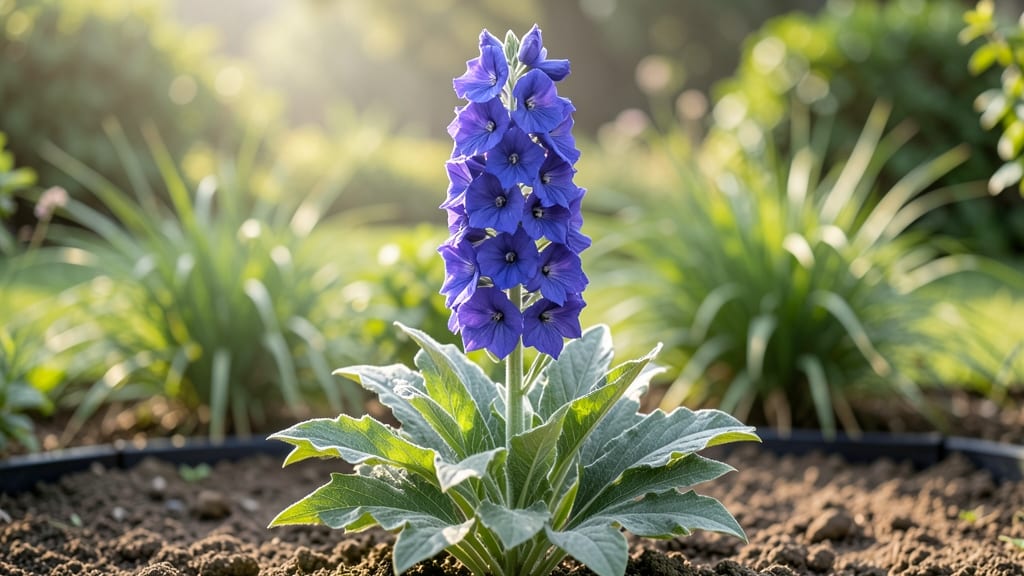
The delphinium flower bloom time in mid to late summer—those stunning spires of blue, purple, and white—depends on getting the planting window and growing conditions just right.
Picture this: you’ve waited all spring for those towering 6-foot stems to finally unfurl into drama, only to watch them wilt before they even open. That’s the heartbreak of getting the timing wrong, and it’s all too common.
But here’s the good news: with the right zone-specific care, deadheading tricks, and a few simple adjustments, you can stretch that bloom time from weeks to months.
We’ll break down exactly when to expect flowers in your heat zone, how to coax extra blooms, and the 3 biggest mistakes that cut seasons short.
From USDA Zone 6a to the heat of Zone 9, I’ll show you how sunlight, soil, and even your watering schedule can shift bloom windows—and how to work with them for a garden that never stops showing off.
Delphinium bloom time by USDA hardiness zones & heat tolerance
Delphiniums thrive in cool climates but struggle when temperatures climb above 80°F (27°C). Their bloom windows vary dramatically across USDA zones 3-9, with some varieties flowering in spring and others reblooming in summer.
Understanding your zone helps you choose the right types and adjust care to maximize their stunning blue, purple, and white displays.
In zones 3-5, delphiniums typically bloom from late May to July, while zones 6-9 see flowers appearing 2-4 weeks earlier. Summer varieties like 'Pacific Giant' can rebloom in cooler zones, but heat waves often cause premature wilting.
Let's break down the specifics by zone and how to protect your plants from heat stress.
🌱 Key Insight: Delphiniums need 6-8 hours of sunlight daily but prefer cooler temperatures. In hot zones, afternoon shade and consistent watering can extend their bloom time by 30-50%.
In zones 3-4, delphiniums bloom later due to cooler springs. Plant spring varieties like 'Blue Bird' in early spring for June-July flowers. These zones benefit from heavy mulching to protect roots from freeze-thaw cycles that can stress plants.
Gardeners in zones 5-6 enjoy the longest bloom windows, often seeing flowers from early June through August. Here, summer varieties like 'Pacific Giant' thrive with afternoon shade during heatwaves. I recommend installing lightweight shade cloth (30-50%) when temperatures exceed 80°F (27°C).
For zones 7-8, timing is critical. Plant spring-blooming varieties in late winter for April-June flowers, then enjoy a second flush in fall if you deadhead properly. These zones often see heat stress—watch for drooping leaves and yellowing buds, which signal it's time to move plants to shade.
In zone 9, delphiniums are best grown as winter or fall bloomers. Plant dwarf varieties like 'Blue Butterfly' in containers for flexibility. Move them to shaded patios during summer to prevent wilting. Container-grown delphiniums in hot zones can bloom 2-3 times per year with proper care.
Heat Stress Signs: Look for drooping flower spikes, crispy leaf edges, or buds that fail to open. These are clear signals your delphiniums need immediate shade and increased watering. I've found that mulching with straw retains soil moisture and keeps roots cooler by 10-15°F.
To extend bloom time across all zones, deadhead regularly but stop by mid-summer to allow plants to recharge for next year. In hot zones, water at soil level (not overhead) to prevent fungal diseases that thrive in 90°F+ (32°C+) conditions.
A drip irrigation system can save you time and keep roots consistently moist.
Pro tip: In zones 5-9, try succession planting by adding new plants every 4-6 weeks in spring. This creates a continuous bloom display from May through September. Just remember—tall varieties need staking to prevent wind damage, especially in exposed garden beds.
Deadheading delphiniums: the exact technique to extend bloom time
Deadheading delphiniums is my secret weapon for turning their 6-week bloom into a 3-month floral show. These towering beauties reward precise care with wave after wave of vibrant spikes.
The key? Removing spent blooms at the right moment—too early, and you stunt growth; too late, and you miss the rebloom window.
Not all delphinium varieties rebloom equally. Repeat-flowering types like 'Pacific Giant' or 'Black Night' respond beautifully to deadheading, while single-bloom cultivars (such as 'Blue Lake') focus energy on one grand show. Knowing which type you grow determines your approach—some need aggressive pruning, others just a light trim.
Deadheading Delphiniums: Pros & Cons
✅ Pros
- 🌸 Extends bloom time by 4-8 weeks in repeat varieties
- 🌿 Encourages bushier growth with more flower stems
- ✂️ Prevents self-seeding in garden beds
- 💧 Reduces fungal risks by improving air circulation
❌ Cons
- ⏳ Time-consuming for large plants (6-8 ft tall)
- ✂️ Requires sharp tools to avoid stem damage
- 🌡️ Heat stress risk if done during peak summer
- 🌱 Single-bloom types won't rebloom regardless of technique
Start deadheading when 30-50% of blooms on a stem have faded. Use clean pruners or shears—never your fingers—to cut 1-2 inches below the faded flower head. This targets the seed head while preserving the plant's energy reserves.
For repeat bloomers, I aim to remove every other spent bloom weekly during peak season to balance energy output.
Timing matters just as much as technique. Morning deadheading (between 8-10 AM) gives plants the entire day to recover. Avoid working when temperatures exceed 85°F—delphiniums wilt easily in heat.
In USDA zones 3-5, I stop deadheading by mid-August to let plants harden off for winter, while zones 7-9 can continue until early October.
Your tools matter: Bypass pruners with sharp, serrated edges make clean cuts that heal faster. I keep a small spray bottle with 1% hydrogen peroxide nearby to disinfect blades between cuts—this prevents powdery mildew transmission. For tall varieties over 6 feet, invest in long-handled shears to avoid neck strain.
Pro tip: Mark your calendar for the first frost date in your zone. Two weeks before frost, stop all deadheading and reduce watering by 50%. This signals the plant to shift energy to roots rather than new growth.
In my zone 6a garden, this means halting deadheading by September 15th—any later, and I risk weak stems that flop in winter winds.