
Blooming
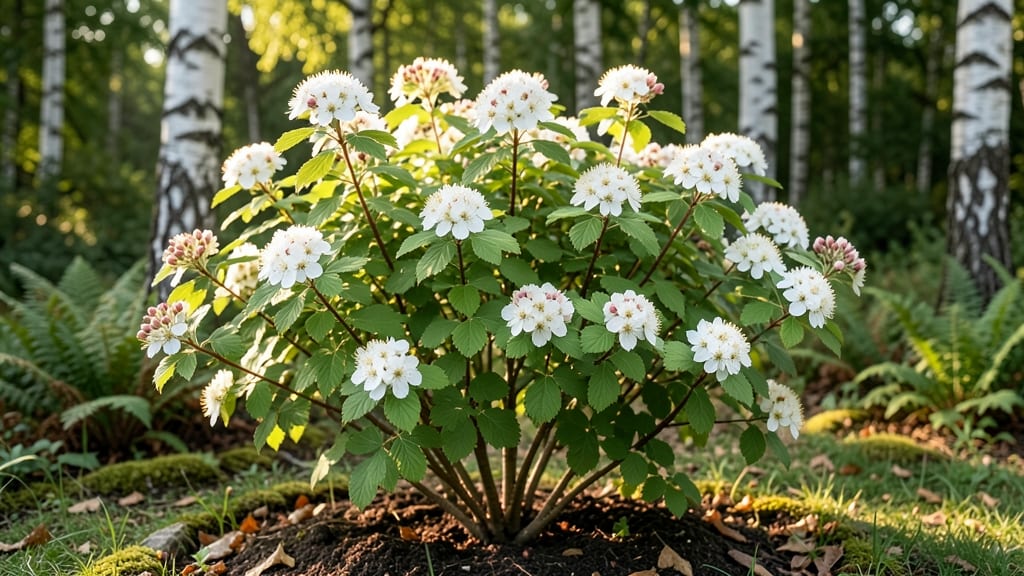
Viburnum blooms in spring 🌸, but the exact timing depends more on light exposure than you might expect — and small adjustments can shift those showstopping flowers by weeks.
Picture this: your neighbor’s Viburnum plicatum bursts into bloom in late April, while yours lingers until May. What gives? The answer lies in how many daylight hours your plants receive, and it’s easier to control than you’d think.
In this guide, I’ll break down how light triggers blooms in different species, from the early Viburnum bodnantense (which flowers in winter!) to the classic spring varieties.
You’ll also discover five practical tweaks—like pruning at the right time or adjusting shade—to coax earlier or later blooms, depending on your garden’s needs.
Whether you’re in USDA Zone 6a or further south, these insights will help you time your viburnum’s display for maximum impact—no guesswork required.
How light exposure directly controls Viburnum bloom time
Light exposure isn’t just about keeping your viburnum shrubs alive—it’s the secret trigger for when they bloom. These plants use a process called photoperiodism, where changing daylight hours signal their bodies to produce flowers.
For gardeners in USDA Zone 6a, understanding this means you can predict—and even adjust—bloom times simply by tweaking light exposure.
Deciduous viburnums like Viburnum plicatum (doublefile viburnum) rely on short winter days to set flower buds, while evergreens like Viburnum bodnantense (winter blooming viburnum) need cold exposure combined with increasing daylight to trigger blooms.
This species-specific response explains why your neighbor’s viburnum might flower in late winter while yours waits until spring.
Here’s the science: When daylight drops below 12 hours in late fall, deciduous viburnums detect the shorter days and begin forming flower buds. Conversely, evergreen viburnums often need 6-8 weeks of chilling temperatures (below 45°F) before they’ll respond to increasing daylight in early spring.
Skip the cold, and you’ll delay blooms—or worse, get no flowers at all.
| Viburnum Type | Light Trigger | Bloom Time | Daylight Needs | Chill Requirement |
|---|---|---|---|---|
| Deciduous (e.g., Viburnum plicatum) | Shortening days (<12 hrs) | Late spring (May-June) | Full sun to partial shade | Moderate (300-500 hrs) |
| Evergreen (e.g., Viburnum bodnantense) | Increasing daylight + cold | Winter (Jan-Feb) | Partial shade (morning sun) | High (600-900 hrs) |
| Semi-evergreen (e.g., Viburnum dentatum) | Balanced light transitions | Early summer (June) | Partial shade (dappled light) | Low (100-300 hrs) |
Take Viburnum bodnantense as an example: This winter bloomer needs at least 600 hours of temperatures below 45°F to break dormancy. If you’re in a mild-winter zone (like Zone 8+), your plant might skip flowering entirely unless you simulate winter chill with shade cloths or artificial cold treatments.
Meanwhile, Viburnum plicatum thrives on longer daylight in spring, so planting it in a south-facing spot can push blooms 2-3 weeks earlier.
Evergreen viburnums like Viburnum rhytidophyllum (leatherleaf viburnum) are particularly sensitive to light intensity. Too much direct afternoon sun can scorch leaves and stress the plant, delaying flower production. These species prefer morning sun and afternoon shade, mimicking their native understory habitats.
If your viburnum’s leaves look bleached or crispy, it’s a sign it’s getting too much light—and its blooms will suffer as a result.
Regional differences matter too. In the Pacific Northwest, where winters are cool but wet, viburnums often bloom earlier due to consistent moisture and chill hours.
But in dry climates like Arizona or California, you might need to water deeply in fall to help the plant store moisture for winter, which indirectly supports flower bud formation.
Even soil moisture levels play a role—drought stress in late summer can delay bloom timing by up to 4 weeks.
Pro tip: If you’re trying to force early blooms, plant Viburnum bodnantense near a south-facing wall to capture reflected winter sunlight. For delayed bloomers, prune old wood in late winter to encourage new growth that will respond to spring light.
Just remember: prune after flowering for deciduous types, or you’ll cut off next year’s buds.
Light isn’t the only factor—soil fertility and pruning habits also play roles—but it’s the primary control you can adjust seasonally. By matching your viburnum species to the right light conditions
5 Practical ways to adjust Viburnum bloom time using light
Light isn’t just about keeping your viburnum alive—it’s the secret weapon for controlling when those showstopping blooms appear. By tweaking sunlight exposure, you can coax early spring flowers or delay blooms until late spring when you need them most.
The key lies in understanding how photoperiodism (daylight hours) triggers flowering in different species, like Viburnum bodnantense (winter bloomer) versus Viburnum plicatum (spring bloomer).
For example, delayed blooms often happen when viburnums get too much shade in winter, while early blooms may occur if they’re exposed to unseasonable warmth. With these light-based strategies, you’ll have full control over your shrub’s flowering schedule—no more missed photo ops or wasted garden space!
- 1 Prune for delayed blooms: Cut back 1/3 of old wood in early spring to force new growth and push blooms 2-3 weeks later. Ideal for Viburnum plicatum needing a later show.
- 2 Plant in east-facing spots: Morning sun (4-6 hours) triggers early spring blooms in Viburnum bodnantense. Avoid harsh afternoon sun that can scorch buds.
- 3 Use shade cloth in summer: Reduce light to 30-50% for 6-8 weeks after blooming to reset growth cycles and encourage next year’s flowers to appear earlier.
- 4 Winterize with burlap: Wrap young shrubs in lightweight burlap to block cold winds and extend bloom season by 10-14 days in USDA Zone 5-6.
- 5 Group with taller plants: Place viburnums under deciduous trees to filter harsh summer sun while allowing full winter light for earlier spring blooms.
Start with pruning if your viburnum blooms too early—cutting back 1/3 of last year’s stems in late winter forces new growth that flowers 2-3 weeks later. This works especially well for Viburnum plicatum, which naturally blooms in late spring.
For early bloomers like Viburnum bodnantense, focus on morning sun exposure and avoid pruning until after flowering.
Don’t overlook seasonal light adjustments. In late summer, drape 30-50% shade cloth over your viburnum for 6-8 weeks to trick the plant into thinking it’s fall.
This resets its growth cycle, often resulting in earlier blooms next spring. Just remove the cloth before first frost to avoid shocking the plant.
For cold climates (Zones 4-5), protect young viburnums with burlap wraps during winter. This blocks harsh winds that can damage buds, ensuring fuller, more vibrant blooms when spring arrives. Pair this with mulching (3-4 inches of shredded bark) to insulate roots and maintain consistent soil temperatures.
Pro tip: Pair your viburnum with companion plants like dwarf conifers or ornamental grasses to create natural shade in summer while allowing full winter sunlight. This microclimate control gives you precise bloom timing without harsh pruning or artificial light tricks.