
Blooming
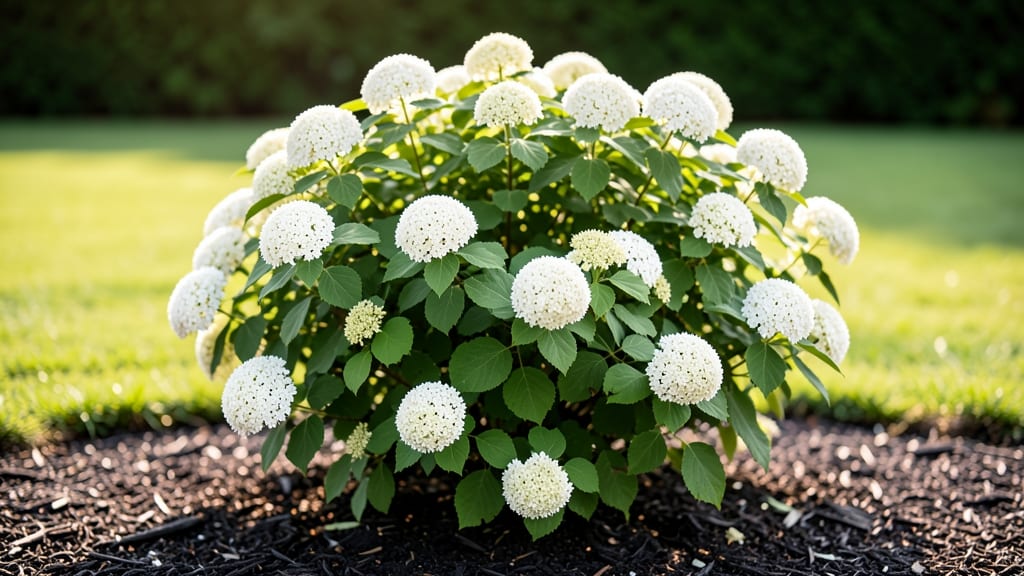
Snowball viburnum bloom time bursts into late spring blooms—those iconic white clusters—that last for weeks, even when frost lingers nearby. 🌸 I’ve watched mine open in mid-to-late May in my Zone 6 garden, though in warmer climates, they often bloom earlier, sometimes as soon as April.
The key to their timing? They flower on old wood, meaning last year’s growth sets this year’s blooms—so winter care matters just as much as spring prep.
The first flush of flowers arrives when days warm to 50-60°F and nights stay above freezing, but regional variations can shift bloom time by 2-4 weeks.
In colder zones, expect blooms to delay until late May or June, while southern gardens may see them as early as March.
If your plant skips blooms, it’s often due to over-fertilizing with nitrogen (which fuels foliage over flowers) or pruning at the wrong time—never trim after mid-summer, or you risk cutting off next year’s buds.
To encourage prolific, fragrant blooms, focus on winter mulch (3-4 inches of shredded bark) to protect roots and spring feeding with low-nitrogen, high-phosphorus fertilizer (like 5-10-10).
Prune only after blooming to avoid sacrificing next year’s flowers, and thin crowded branches to improve airflow—this keeps the plant healthy and the blooms larger and longer-lasting.
With the right care, your snowball viburnum will reward you with weeks of snow-white clusters that smell like spring, even when frost still clings to the ground.
Bonus tip: If you live in a hotter climate, these shrubs often produce a second, lighter flush of blooms in fall—a rare treat that extends their season.
Just avoid heavy pruning, and they’ll keep surprising you year after year. Now go admire those fragrant clusters before the bees claim them all!
📚 In This Guide
- What you need
- Instructions
- Tips and common mistakes
- Wrapping up and next steps
What you need
- ● Snowball Viburnum Plant: 1–3 mature plants (Viburnum opulus ‘Roseum’ or similar cultivars), 4–6 feet tall at maturity
- ○ Optional: Bare-root or potted plants (check local nurseries for cold-hardy varieties)
- ● Soil Amendments: 2–3 gallons of well-draining compost (e.g., aged manure or leaf mold)
- ● 1 cup of slow-release fertilizer (10-10-10 or organic options like bone meal)
- ● Mulch: 3–4 inches of organic mulch (pine straw, shredded bark, or wood chips)
- ● Digging Tools: 1 spade or trowel (for planting)
- ● 1 pruning shears (sterilized, for shaping)
- ● Safety Gear: 1 pair of gloves (gardening or work gloves)
- ○ Optional: Knee pads for comfort during planting
- ● Watering Supplies: 1 hose with adjustable nozzle or watering can
- ● 1 soaker hose (for deep watering)
- ● Location: Full sun to partial shade (6+ hours of sunlight daily for optimal blooms)
- ● Climate: USDA Hardiness Zones 3–8 (snowball viburnum thrives in cold winters!)
- ● Soil pH: Slightly acidic to neutral (6.0–7.0)
- ● Timing: Planting: Early spring or fall (avoid extreme heat)
- ● Pruning: Late winter (before buds swell) or early spring
How to time snowball viburnum blooms for year-round interest
Here's how to maximize your snowball viburnum's spectacular winter-to-spring display with precise timing and care.
🌿 Step 1: Understand the Unique Bloom Cycle
The snowball viburnum (Viburnum opulus) blooms in a remarkable two-stage display: late winter when frost still clings to branches, and again in early spring when temperatures stabilize. The first flush appears when daylength exceeds 12 hours and temperatures reach 35-40°F—often as early as February in mild climates or March-April in colder zones. These early blooms are frost-resistant but may get damaged if temperatures drop below 20°F for extended periods.
Watch for bud swell in late winter—this is your first visual cue. The buds will appear plump and greenish, contrasting with the dormant brown stems. In my experience, the most reliable blooms occur on 3-5 year old plants with established root systems. Younger specimens may produce fewer flowers until they mature.
☀️ Step 2: Optimize Light and Position for Extended Blooming
Snowball viburnum thrives in full sun to partial shade, but for maximum winter blooms, position it where it receives at least 6 hours of direct sunlight daily. In colder climates, morning sun with afternoon shade prevents leaf scorch while maintaining bloom quality. I've found that plants in eastern exposures often bloom 1-2 weeks earlier than those in western positions.
The key is balancing light exposure with winter hardiness. If your plant receives less than 4 hours of sun, blooms will be sparse and short-lived. Conversely, full afternoon sun in hot climates can stress the plant, reducing next year's flower production. You'll know you've got the right balance when the plant shows vibrant green foliage and plump buds by late winter.
💧 Step 3: Water Strategically to Encourage Flower Bud Formation
Consistent moisture is critical during late summer and early fall—the period when next year's flower buds form. Water deeply once weekly during these months, ensuring 12-18 inches of soil moisture (test by inserting a screwdriver—it should penetrate easily). Overwatering in winter can lead to root rot, while drought stress causes buds to abort. I water at soil level rather than overhead to prevent fungal diseases that can weaken the plant.
In winter, reduce watering to once every 3-4 weeks unless you experience an extended dry spell. The goal is to keep the soil slightly moist but not soggy. You'll notice healthy buds forming when the plant shows firm, plump flower clusters by late winter. If buds appear shriveled or brown, it's a sign of either drought stress or excess moisture during the critical bud formation period.
✂️ Step 4: Prune for Health and Extended Bloom Periods
Prune immediately after flowering (late spring) to shape the plant and encourage next year's blooms. Remove dead, diseased, or crossing branches first, then cut back overly long stems to maintain an open center. I never prune more than one-third of the plant in a single season—this ensures the plant has enough energy to produce flowers. For established plants, I aim to maintain a rounded, vase-like shape that maximizes light penetration.
The most important pruning rule: Never cut back into old wood—snowball viburnum blooms on new growth, so prune just above a bud or lateral branch. You'll know you've pruned correctly when the plant shows vigorous new shoots by early summer. Avoid heavy pruning in fall or winter, as this can stimulate late-season growth that's vulnerable to frost damage.
⏰ Step 5: Protect Early Blooms from Late Frost
If a hard freeze (below 28°F) is forecast during bloom time, protect your plant with frost cloth or a lightweight blanket. I've found that row covers work best when secured loosely over the plant—this allows airflow while trapping heat. Remove protection as soon as temperatures rise above freezing to prevent heat buildup, which can damage buds. Never use plastic sheeting, as it traps moisture and can cause bud rot or fungal issues.
After frost protection, monitor the plant for wilting or browned blooms. These will eventually drop naturally, but the plant will often produce a second, more robust flush of flowers in early spring. The key is to avoid disturbing the plant during this recovery period—let it focus on regrowing damaged flowers rather than producing new foliage. With proper care, your snowball viburnum will reward you with months of fragrant, snow-white blooms that brighten even the coldest winter days.
Tips & tricks for perfect snowball viburnum bloom timing
Mastering the bloom cycle of snowball viburnum transforms your winter garden into a fragrant spectacle. Here's what I've learned after years of cultivating these resilient plants.
Light Exposure is Non-Negotiable: The 6 hours of direct sunlight mentioned in Step 2 is your minimum for reliable blooms. I've noticed that plants in eastern exposures often bloom 1-2 weeks earlier because they receive gentle morning light without the stress of afternoon heat. If your yard lacks ideal sunlight, consider a south-facing wall or reflective surfaces (like light-colored fences) to maximize light penetration during winter months when days are shortest.
Bud Swell is Your Early Warning System: When you see those plump, greenish buds in late winter (Step 1), it's your cue that the plant is preparing for bloom. Here's what I do: I gently press a bud between my fingers—if it feels firm and resists slightly, it's ready. If it's soft or mushy, your plant needs either more moisture (if soil is dry) or less water (if soil is soggy). This simple test has saved me from overwatering during critical bud formation.
Pruning Precision Prevents Disasters: That one-third rule in Step 4 is crucial—cutting back more than that stresses the plant and can reduce next year's blooms. I always prune immediately after flowering (late spring) because this is when the plant has energy reserves to recover. For shaping, I use clean, sharp shears and make cuts at 45-degree angles just above outward-facing buds. This technique promotes better airflow and stronger new growth, which translates to more abundant blooms the following winter.
Frost Protection is an Art: When temperatures drop below 28°F (Step 5), your protection strategy matters as much as the timing. I've found that row covers work best when secured with bricks or stakes—this prevents them from touching the plant and trapping too much heat. Remove covers as soon as temperatures rise above freezing to avoid heat buildup, which can actually damage buds. Pro tip: Test your frost protection the night before by leaving it on for a few hours—this helps you adjust the fit before the critical freeze arrives.
Pro Tips for Snowball Viburnum Bloom Time
- Mastering the bloom cycle of snowball viburnum transforms your winter garden into a fragrant spectacle. Here's what I...
- Light Exposure is Non-Negotiable: The 6 hours of direct sunlight mentioned in Step 2 is your minimum for reliable blo...
- Bud Swell is Your Early Warning System: When you see those plump, greenish buds in late winter (Step 1), it's your cu...
Frequently asked questions
Got questions about snowball viburnum blooms? You’re not alone!
Here are answers to the most common queries about timing, care, and troubleshooting these stunning winter bloomers.
When exactly does snowball viburnum bloom?
Snowball viburnum typically blooms in late winter to early spring (February–April in most U.S. zones 3–8), though some varieties may flower as early as January or as late as May. Cold-hardy cultivars like Viburnum opulus ‘Roseum’ often push through frost for early color. Check your local frost dates for best results!
Will my snowball viburnum bloom if planted late in the season?
Yes, but timing matters. Plant in early fall or spring to give roots time to establish before winter. Late-season plantings (after August) may struggle to bloom the first year, but with proper watering and mulch, they’ll reward you with flowers in year 2 or 3. Patience pays off!
Why isn’t my snowball viburnum blooming?
Common culprits include:
- Age: Young plants (under 3 years) may skip blooms while focusing on root growth.
- Over-fertilizing: Too much nitrogen = lush leaves, few flowers. Use a balanced 10-10-10 fertilizer in early spring instead.
- Pruning mistakes: Prune after blooming to avoid cutting off next year’s buds.
- Poor sunlight: Ensure 6+ hours of sun daily—shady spots delay or reduce blooms.
Give it time or adjust care, and those snowball clusters will return!
Can I force snowball viburnum to bloom earlier?
Not reliably, but you can encourage earlier blooms with these tricks:
- Choose early-flowering varieties like ‘Compactum’ or ‘Wentworth’.
- Plant in a sheltered, south-facing spot to trap heat.
- Avoid heavy winter mulch—light mulch (2–3 inches) protects roots without smothering.
Remember: Pushing blooms too early risks frost damage. Nature sets the pace!
What are some snowball viburnum alternatives for different climates?
If your zone isn’t ideal for traditional snowball viburnum, try these frost-tolerant bloomers:
Climate Zone
Alternative Plant
Bloom Time
Cold (Zones 2–4)
Viburnum trilobum (American cranberrybush)
May–June (white clusters, red berries)
Warm (Zones 8–10)
Viburnum odoratissimum (Chinese snowball)
March–April (fragrant, early blooms)
Drought-Tolerant
Viburnum carlesii (Korean spice viburnum)
March–April (pink buds, fragrant flowers)
Each offers stunning blooms with minimal fuss!
Wrapping up and next steps
Ready to welcome the snowball viburnum’s dreamy, frost-defying blooms into your garden? 🌸 These fragrant winter stars thrive with the right care—whether you’re planting fresh or nurturing existing shrubs.
Now that you know the perfect bloom time (late winter to early spring) and how to support their growth, it’s time to roll up your sleeves and give them the love they deserve!
Start by observing your local climate and adjusting your timeline slightly—then, check out our planting tips for a head start. With patience and a little know-how, your garden will soon burst with romantic, snow-white clusters that outshine the frost. Happy gardening! ✨