
Blooming
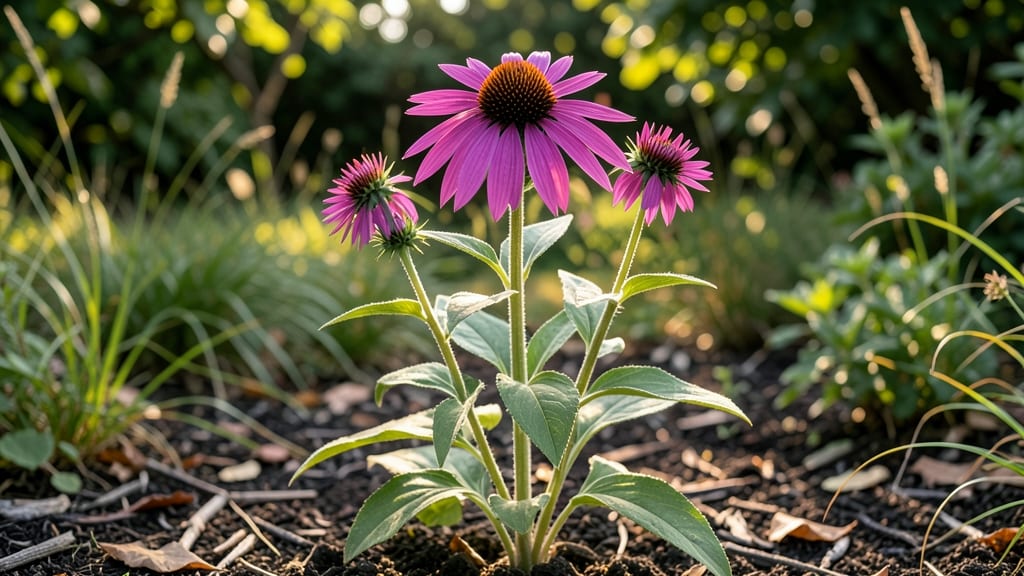
The coneflower bloom season in late summer through fall transforms your garden into a buzzing pollinator magnet 🌼 when timed just right.
Picture this: those iconic purple spikes fading by Labor Day, leaving your garden looking spent. That’s the classic bloom season most gardeners accept—but it doesn’t have to end that way. With a few simple tricks, you can stretch their show deep into September or even October.
This guide breaks down the natural bloom cycle by USDA zone, including the peak flowering months for your region, and reveals the easiest ways to coax extra blooms. We’ll also cover companion plants that thrive alongside coneflowers, ensuring your late-summer garden stays vibrant longer.
Ready to turn your coneflower patch into a fall highlight? You’ll learn how deadheading, soil prep, and smart watering can make all the difference—no fancy tools required.
Understanding coneflower bloom season: month-by-month timing guide
If you’ve ever admired those striking purple coneflower spikes in late summer, you know they’re a garden superstar—but their bloom season can vary dramatically depending on where you live. Echinacea purpurea and its hybrids typically bloom from early summer to fall, but the exact timing shifts with your USDA hardiness zone.
Understanding these patterns helps you plan for peak color and attract more pollinators to your garden.
For gardeners in zones 3-5, coneflowers often kick off their show in June or early July, while those in zones 6-9 might see buds opening as early as May or June.
The key is knowing when to expect peak blooming periods and how to extend them for a longer season of beauty. Let’s break it down month by month so you can time your garden like a pro.
In zones 3-5, coneflowers often start blooming in June with a peak in July. The show continues into August, but by September, most flowers have faded—unless you’re growing reblooming hybrids like 'Magnus' or 'Hot Papaya.'
These varieties can extend your season well into early fall, giving you those iconic purple spikes long after other summer flowers have bowed out.
Gardeners in zones 6-7 get a head start, with blooms appearing as early as May or June. The peak here is typically July and August, with some late-season blooms lingering into September.
The warmer climate encourages longer flowering, but consistent watering is key to preventing early fade. I’ve found that mulching around the base helps retain moisture and keeps roots cool during heatwaves.
For those in zones 8-9, coneflowers might start blooming as early as April or May, especially if planted in cooler microclimates like near shade trees.
The main flowering window is June through August, but with proper care—like deadheading spent blooms—you can coax a few more flowers into September or even October. The mild winters here also mean coneflowers often return stronger the next year.
Regional variations play a huge role. In Pacific Northwest gardens, for example, coneflowers might bloom later due to cooler summers, while Southern gardens can enjoy an earlier, longer season. Even within a zone, microclimates matter—coneflowers near a south-facing wall will bloom earlier than those in shadier spots.
Pay attention to where your plants thrive and adjust your care routine accordingly.
One of my favorite tricks for extending the bloom season is deadheading. Simply snip off faded blooms just above the next set of leaves to encourage new flowers. I do this every
Proven techniques to extend coneflower blooms beyond summer
If you love the bold purple blooms of coneflowers, you’ll want them to last well into fall’s crisp air. With the right care, you can transform their summer showstopper into a season-long spectacle. The key lies in understanding how to encourage reblooming through simple yet effective techniques.
Coneflowers naturally bloom from mid-summer to early fall, but with strategic interventions, you can push those vibrant spikes even later. Whether you’re a beginner gardener or a seasoned pro, these methods will keep your pollinator magnets thriving when other flowers fade.
- 1 Deadhead regularly – Snip spent blooms 1-2 inches above the next set of buds to redirect energy to new flowers. Use clean pruners to avoid disease.
- 2 Boost soil nutrition – Add compost or bone meal in early summer to provide phosphorus for blooms. Coneflowers thrive in well-draining, slightly alkaline soil (pH 6.0-7.0).
- 3 Water deeply but less often – Aim for 1 inch per week during dry spells. Morning watering prevents fungal diseases and encourages stronger root growth.
- 4 Choose reblooming varieties – Cultivars like 'Magnus' or 'White Swan' naturally produce second flushes of blooms. Plant them alongside shorter perennials to create a layered effect.
- 5 Mulch strategically – Apply 2-3 inches of mulch in late summer to retain moisture and regulate soil temperature. Use organic mulch like straw or shredded leaves.
Don’t overlook the power of companion planting to extend your coneflowers’ season. Pair them with late-blooming neighbors like black-eyed Susans or Russian sage to create a continuous color display. These plants share similar water and sunlight needs, making maintenance easier.
For maximum impact, combine these techniques with a light fertilizer application in early summer. A balanced 10-10-10 formula applied every 4-6 weeks will support both foliage and blooms without overfeeding. Remember, less is more—coneflowers are drought-tolerant once established.
With these proven strategies, your coneflowers will defy the fall chill and keep your garden buzzing with pollinators long after other flowers have faded. Happy gardening! 🌼🌿✂️