
Blooming
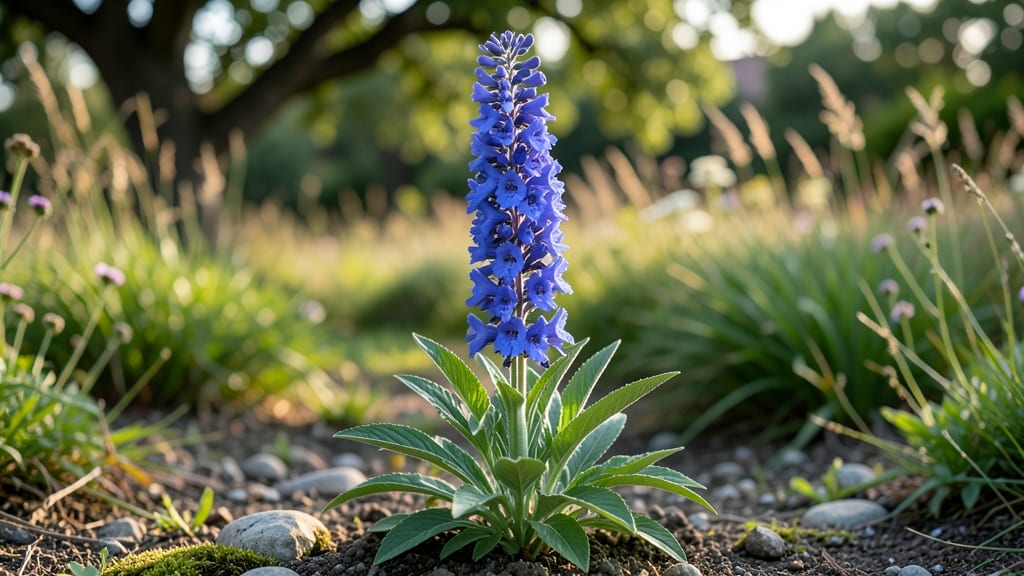
The veronica bloom time in spring and summer 🌸 can catch gardeners off guard with a second heat-triggered flush if they aren’t paying attention.
If you’ve ever watched your veronica plants burst into color, then fade—only to surprise you with a second flush of flowers—you’re not alone. This heat-triggered rebloomer thrives on timing, and understanding its bloom cycles by USDA zone can mean the difference between a spectacular garden and a missed floral show.
In zones like 6a, where I garden, the first wave arrives in late May to June, while the second—often the most dramatic—hits in July or August when temperatures climb.
But climate, variety, and even pruning habits can shift those dates by weeks, which is why knowing the triggers is half the battle.
Below, I’ll break down the exact conditions that spark those blooms, how to extend the season with simple care, and which companion plants pair perfectly with veronica’s two-season show.
Veronica bloom time: heat-triggered stages by USDA zone
Veronica plants are famous for their heat-triggered reblooming behavior, delivering two stunning floral shows each year. The first wave typically arrives in late spring, while the second—often more dramatic—comes in mid-to-late summer when temperatures climb.
Understanding these USDA zone-specific patterns helps gardeners time their care routines perfectly for maximum blooms.
Unlike many perennials that bloom once and fade, veronica responds to temperature shifts and day length changes. In cooler zones (3-5), blooms may stretch into early fall, while warmer regions (7-10) often see a prolonged summer display.
The key? Recognizing when your plants are signaling for that second heat-triggered flush.
| USDA Zone | Primary Bloom | Heat-Triggered Rebloom | Temp Threshold | Regional Note |
|---|---|---|---|---|
| 3-4 | Late May - Early June | Mid-July - Early Aug | 75°F+ (24°C+) | Short summer; rebloom may fade by Sept |
| 5-6 | Early June - July | Late July - Sept | 80°F+ (27°C+) | Best for extended fall color |
| 7-8 | Mid-May - June | June - Aug (continuous) | 70°F+ (21°C+) | Longest bloom season; minimal dormancy |
| 9-10 | April - May | May - Sept (overlapping) | 65°F+ (18°C+) | Year-round blooms possible with care |
The primary bloom in veronica always kicks off when daytime temperatures consistently reach 60°F (15°C) after winter dormancy. However, the heat-triggered rebloom requires a different threshold—typically 75°F (24°C) or higher for at least 2 weeks.
In zones 3-5, this often coincides with July's heatwave, while zones 7-10 may see continuous blooming if summer temperatures stay warm.
My zone 6 garden veronica plants always deliver their first burst in early June, but it's the late July surprise that steals the show. The secret? A light pruning after the first bloom removes spent flowers and stimulates new growth just as temperatures rise.
This technique works equally well in zones 5-8, where the second flush often extends into September.
For gardeners in warmer zones (7-10), veronica's reblooming can feel almost continuous. The plant responds to consistent heat rather than seasonal shifts, meaning you might see blooms from May through September with proper care.
The trick is maintaining even moisture and avoiding over-fertilizing, which can lead to leafy growth at the expense of flowers.
In cooler zones (3-5), the rebloom is more dramatic but shorter-lived. If your veronica starts flowering in mid-July, act fast—prune back one-third of the plant immediately to redirect energy into new blooms.
This works because veronica's growth habit is basal, meaning it produces flowers along the current season's stems rather than on old wood.
Don't overlook regional microclimates when planning your veronica care. A south-facing wall can extend the bloom season by 2-3 weeks in zone 5, while coastal zones (like 8b-9a) may experience delayed blooming due to cooler ocean breezes.
Always monitor your plant's leaf color—healthy veronica should have deep green foliage during bloom periods.
To maximize your veronica's heat-triggered rebloom potential, pair it with complementary plants that thrive in the same conditions. Catmint and Russian sage make excellent neighbors, as they share similar drought tolerance and sun requirements.
Together, they create a long-blooming pollinator magnet that keeps your garden vibrant from spring through fall.
Remember that veronica's blooming rhythm is highly adaptable. If you notice your plant skipping the second flush, check for these common issues: poor soil drainage, overcrowding, or lack of sunlight.
A simple soil test and light adjustment can often bring back that second wave of color you're craving.
With this zone-specific knowledge, you'll never miss veronica's heat-triggered surprises again. The next time your plant starts sending up new flower spikes in mid-summer, you'll know exactly why—and how to make it last even longer. Happy gardening! 🌸
How to extend veronica bloom time with strategic pruning
Veronica plants reward patient gardeners with prolonged blooming when you master the art of strategic pruning. Unlike annuals that bloom once, veronica often produces secondary flushes triggered by heat and proper maintenance. The key lies in understanding when and how to prune to encourage reblooming without stressing your plants.
Most veronica varieties—like Veronica spicata and Veronica longifolia—bloom in late spring to early summer, then fade until heat prompts a second show. To extend this cycle, you’ll need to time your cuts precisely and adjust for your USDA zone.
For example, in zones 5-7, veronica may need earlier pruning to avoid frost damage, while zones 8-10 can handle later cuts.
Step-by-Step Pruning Guide for Extended Veronica Bloom Time
- 1. Deadhead spent blooms immediately – Use clean, sharp pruning shears to snip faded flowers at the first sign of wilting. This redirects energy to new flower buds instead of seed production.
- 2. First light pruning after initial bloom – Once the first flush fades (usually 6-8 weeks post-bloom), trim back 1/3 of the plant’s height to encourage compact, bushier growth and trigger reblooming.
- 3. Seasonal cutback for zones 5-7 – In late summer (August-September), give veronica a harder prune (cutting back half the plant) to harden it for fall reblooms before frost.
- 4. Minimal winter pruning in zones 8-10 – In warmer zones, only remove dead or damaged stems in early spring. Avoid heavy cuts, as veronica blooms on new wood.
- 5. Fertilize post-pruning – After each major pruning, apply a balanced fertilizer (5-10-10) to support new growth and reblooming.
Timing is everything with veronica. For zones 5-7, aim to finish pruning by mid-September to allow time for root establishment before winter. In zones 8-10, you can prune as late as October, but always avoid cutting into dormant wood.
Pro tip: Mulch heavily after pruning to retain moisture and insulate roots. Veronica thrives in well-draining soil, so avoid over-mulching, which can cause root rot. A 2-inch layer of organic mulch (like shredded bark) is ideal.
Watch for heat stress signs like drooping leaves or yellowing foliage after pruning. If your veronica struggles, reduce watering slightly and provide afternoon shade until it recovers. With the right pruning schedule, your veronica can rebloom 2-3 times per season!
🌸