
Blooming
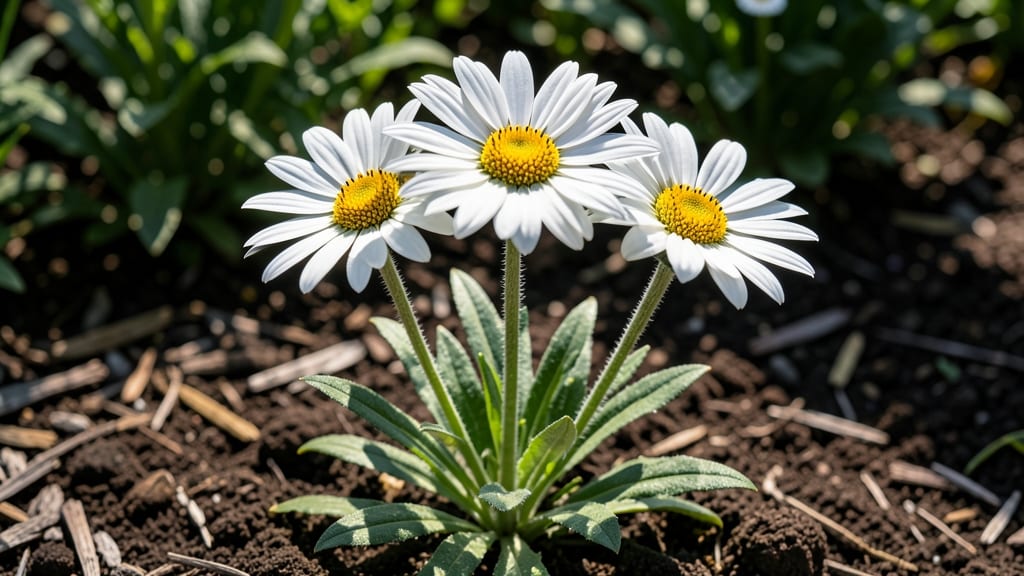
The daisy bloom season hits its purple peak when summer heat triggers reblooming—just when you think they’re done for the year. 🌸 I’ve tracked my own daisy cycles for years, and the secret to extending those cheerful spikes isn’t complicated: it’s all about timing, variety, and a few simple care tweaks that keep them flowering long after most gardens fade into green.
Perennial daisies like Shasta or Gerbera often bloom twice—once in spring, then again in late summer when temperatures dip just enough after the dog days. Annuals like African daisies (Dimorphotheca) thrive in heat and can keep blooming straight through until frost.
The trick is deadheading spent blooms (snip those brown centers) and feeding them every 3-4 weeks with balanced fertilizer. My late-summer garden stays vibrant because I treat the second bloom like a fresh start.
By late August, you’ll notice fresh buds forming if you’ve kept the soil moist and the air moving—just don’t overwater. The right spacing (18-24 inches apart) prevents fungal issues that steal blooms.
In cooler zones (USDA 5-7), a light mulch layer helps protect roots while keeping soil warm enough for reblooming. This works for cut flower gardens too—just harvest stems early in the morning for the longest vase life.
Whether you’re in a hot desert climate or a humid coastal zone, these tips keep daisies blooming until the first frost. Ready to extend your purple season?
📚 In This Guide
- What you need
- Instructions
- Tips and common mistakes
- Wrapping up and next steps
What you need
- ● Daisy plants (e.g., Echinacea purpurea or Leucanthemum) – Ensure they’re healthy, mature, and at least 1–2 years old for best reblooming results.
- ● Well-draining potting mix – 10–12 inches deep in containers; for in-ground, amend soil with compost or perlite (1 part per 2 parts soil).
- ● Slow-release fertilizer – 10-10-10 or 5-10-5 NPK ratio, 1–2 tbsp per plant (sprinkle into soil before planting).
- ● Watering can or hose with a gentle spray nozzle – 1–2 gallons per plant during dry spells (avoid soggy soil!).
- ● Pruning shears – Sharp, clean (sterilize with rubbing alcohol between cuts).
- ○ Heat mat or grow lights (optional for indoor reblooming) – 70–80°F soil temp to mimic summer conditions.
- ● Sunlight access – 6+ hours of direct sun daily (south-facing window or greenhouse for indoor setups).
- ○ Thermometer (optional but helpful) – Track soil temps; aim for 65–75°F for optimal blooming.
- ● Deadheading tools – Tweezers or fingers (for removing spent blooms post-rebloom to encourage new spikes).
- ● Mulch (straw or shredded leaves) – 2–3 inches thick to retain moisture and regulate soil temp.
- ● Bloom boosters – Fish emulsion (1 tbsp per gallon of water) or compost tea for a nutrient kick.
- ● Garden stakes or cages – Support tall daisies (Echinacea can grow 3–5 feet!).
- ● pH test kit – Aim for 6.0–7.0 pH (adjust with lime or sulfur if needed).
- ● Heat-resistant containers – Black or dark-colored pots absorb heat faster for indoor setups.
How to extend daisy bloom season with heat-triggered reblooming
Here’s how I coax my daisies into a second flush of those iconic purple spikes—no fancy tricks, just smart timing and care.
🌱 Step 1: Deadhead Finished Blooms Immediately
As soon as a daisy flower fades (its petals droop and turn brown), snip the spent bloom off at the base with clean pruners. I like to make the cut just above the next set of leaves—this prevents disease from lingering in old stems. If you wait too long, the plant redirects energy into seed production instead of new buds.
Do this consistently for 4-6 weeks after the first flush. You’ll notice fresh side shoots emerging from the base within 10-14 days—these are your future blooms. The key is to stay ahead of wilting flowers; even one left uncut can slow down the reblooming process.
☀️ Step 2: Provide Consistent Heat and Sun Exposure
Daisies need full sun (6+ hours daily) to trigger reblooming. If your plants are in partial shade, move them to a sunnier spot now. I’ve found that morning sun paired with afternoon shade works best in hot climates—it prevents wilting while still giving them enough light to produce flowers.
Heat is the real trigger here. When daytime temperatures hit 75°F or warmer for at least 3 consecutive weeks, your daisies will start forming new buds. If your summer runs cooler, supplement with a small grow light for 2-3 hours daily to mimic those heat cues.
💧 Step 3: Water Deeply but Infrequently
Reblooming daisies need 1 inch of water per week, delivered deeply rather than frequently. I water mine at the base in the early morning, letting the soil dry out slightly between waterings. Overwatering causes root rot, which stalls flower production—you’ll know it’s time to water when the top 2 inches of soil feel dry to the touch.
Here’s the thing—daisies are drought-tolerant, but they won’t rebloom if stressed. If you notice leaves curling or wilting, give them a deep soak. Within 24 hours, you should see them perk up, and new buds will form faster once the plant recovers its energy.
✂️ Step 4: Lightly Prune for Airflow and Energy
After the first rebloom cycle, give your daisies a light trim to encourage a third flush. Cut back any leggy stems by one-third, focusing on the oldest growth. This removes crowded foliage, which improves airflow and reduces disease risk. I always use sterilized pruners to prevent bacterial infections from spreading.
You’ll see fresh growth within 7-10 days, and with proper care, you can coax another round of blooms by late summer. The goal is to keep the plant actively growing—if it looks tired, a balanced fertilizer (like 10-10-10) applied every 4-6 weeks will give it the boost it needs.
⏰ Step 5: Time Your Final Cut for Fall Dormancy
As temperatures drop below 60°F at night, your daisies will slow down. This is your cue to do a final light pruning—cut back stems by half to shape the plant and remove any diseased or damaged foliage. I do this in early fall (late September to early October), just before the first frost.
Leave the base foliage intact to protect the crown over winter. Mulch lightly with 2 inches of straw or shredded leaves to insulate the roots. Next spring, you’ll see fresh growth emerge early, and with proper care, your daisies will bloom again by early summer.
Tips & tricks for extending daisy bloom season
Here's what nobody tells you about keeping your daisies blooming longer—these are the little details that make all the difference between a single flush of flowers and months of purple spikes.
Timing is Everything: In Step 1, when you're deadheading those spent blooms, I can't stress enough how important it is to do this within 12 hours of wilting. The longer you wait, the more energy the plant wastes on seed production instead of generating new buds. I keep a small pair of pruners by my garden bench so I can snip them as soon as I notice the petals drooping. The 10-14 days window for new side shoots to emerge is your best indicator that the plant is responding—if you don't see them by day 14, you might need to adjust your watering or light exposure.
Sunlight Strategy: For Step 2, if your daisies are in partial shade, don't just move them to full sun—transition them gradually. Sudden exposure can cause leaf scorch. Start by moving them to a spot that gets 4 hours of direct sun for a few days, then gradually increase to the full 6+ hours daily they need. And that 75°F or warmer heat trigger? It's not just about daytime temps—nighttime temps should stay above 60°F for consistent blooming. If your nights are cooler, consider using a small greenhouse or cold frame to protect them.
Watering Wisdom: The 1 inch per week guideline in Step 3 is perfect, but here's the catch: it's about soil moisture, not watering frequency. I check moisture by sticking my finger 2 inches deep into the soil. If it feels dry, that's when I water—deeply, right at the base. The key is to avoid wetting the foliage, which can lead to fungal issues. If you notice the leaves curling during the 24-hour recovery period after a deep soak, that's your plant telling you it's thirsty again.
Pruning Precision: When you're doing that one-third trim in Step 4, focus on removing stems that are growing away from the center of the plant. These leggy stems compete with new buds for energy. I always prune on a dry day when the plants are fully hydrated—this reduces stress on the plant. And that 7-10 day growth window? It's your reward for good care. If you don't see new growth by day 10, check your soil nutrients—sometimes a light application of compost tea can give them the boost they need.
Pro Tips for Daisy Bloom Season
- Here's what nobody tells you about keeping your daisies blooming longer—these are the little details that make all the difference between a single flush of flowers and months of purple spikes.
- Timing is Everything: In Step 1, when you're deadheading those spent blooms, I can't stress enough how important it is to do this within 12 hours of wilting.
- Sunlight Strategy: For Step 2, if your daisies are in partial shade, don't just move them to full sun—transition them gradually.
Frequently asked questions
Got questions about daisy bloom season?
Here are answers to the most common ones—from timing tricks to troubleshooting tips—so you can keep those purple spikes popping up all year!
When is the best time to trigger a daisy rebloom?
The ideal window is late spring to early summer (May–June in most climates), when temps consistently hit 70–85°F (21–29°C) for 2–3 weeks. For year-round blooms, repeat the heat treatment every 6–8 weeks—just avoid extreme heat (above 90°F/32°C) to prevent stress.
How long does it take for daisies to rebloom after heat treatment?
Expect 4–6 weeks from the first heat exposure to visible buds. Patience is key! Monitor soil moisture (keep it lightly damp) and watch for tight green buds—these signal blooming is imminent. Overwatering can delay flowers, so let the top inch of soil dry between waterings.
What if my daisies don’t rebloom after heat treatment?
Try these fixes:
- Check light: Daisies need 6+ hours of sun daily. Move pots or prune nearby shade sources.
- Fertilize: Use a balanced 10-10-10 formula 2 weeks before heat treatment to boost growth.
- Prune dead blooms: Snip spent flowers below the next set of leaves to redirect energy.
- Inspect pests: Spider mites or aphids can stress plants. Spray with neem oil if needed.
Can I force daisies to bloom indoors?
Yes! Place potted daisies in a sunny window (south-facing) or under grow lights (12–14 hours/day). Mimic outdoor heat by moving them near a heat mat (80°F/27°C) or sunny patio for 2–3 hours daily. Pro tip: Group pots together to create a microclimate that traps warmth.
What’s the easiest alternative for long-lasting purple blooms?
If daisies prove finicky, try these low-maintenance rebloomers:
- Blackfoot Daisy (Melampodium leucanthum): Thrives in heat, blooms spring to frost with minimal care.
- Shasta Daisy: Reblooms with deadheading and occasional fertilizer.
- Zinnias: Heat-loving annuals that rebloom nonstop if pruned regularly.
Wrapping up and next steps
Watching your daisies rebloom in vibrant purple spikes is pure magic—and now you’re equipped to make it happen! 🌸 With the right heat triggers, pruning know-how, and a little patience, you can enjoy year-round color bursts.
Start by marking your calendar for late summer, then act fast when those spikes appear.
Ready to turn your garden into a daisy paradise? Grab your shears, check the forecast, and give those blooms the care they crave—your future purple spikes will thank you! 🌿✨