
Flowers
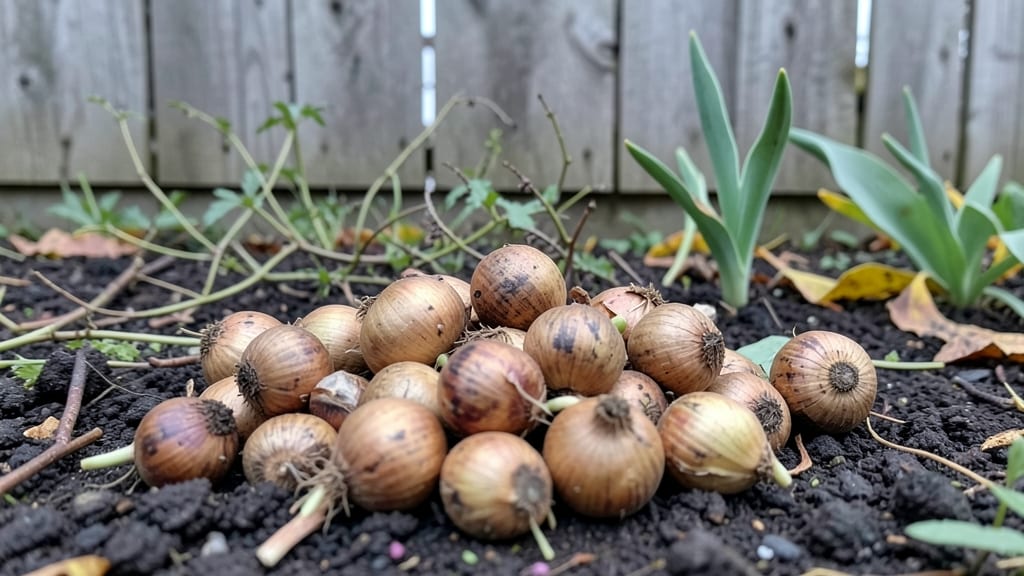
Tulip bulbs are poisonous due to toxic alkaloids like tulipalin A and B, causing vomiting, diarrhea, and skin irritation if ingested or handled improperly. Keep them away from pets and children, especially dogs, who are highly sensitive to their toxins.
Even a small amount of tulip bulb exposure can trigger unpleasant reactions in pets and kids, with dogs being particularly vulnerable due to their curious nature and lower body weight. 🚨 The toxins aren't just in the bulbs themselves—even the pollen can cause irritation if it gets into eyes or mouths.
I've seen firsthand how quickly a curious puppy can dig up newly planted bulbs, so I always recommend planting them in secure containers or heavily mulched areas where pets can't access them.
Interestingly, the toxicity varies by species—some wild tulips contain even higher concentrations of these alkaloids than garden varieties. That's why I double-check labels when buying bulbs, especially if I'm growing them near play areas or vegetable gardens where kids might wander.
The good news? Proper handling minimizes risks, and knowing these details helps gardeners create beautiful displays without compromising safety.
💡 In This Article
- Toxic Compounds in Tulip Bulbs and Their Effects
- Safe Handling Tips for Tulip Bulbs in Gardens
Toxic compounds in tulip bulbs and their effects
Tulip bulbs contain two primary toxic alkaloids: tulipalin A and tulipalin B, which belong to the thiosulfinate family. These compounds are concentrated in the bulb's base and leaves, with tulipalin A being roughly 1.5 times more potent than its counterpart.
The bulbs also contain lycorine, another alkaloid that contributes to their toxicity. When ingested, these chemicals trigger gastrointestinal distress by irritating the digestive tract's mucosal lining, similar to how mustard oils affect sensitive stomachs. 🔥
The severity of reactions depends on exposure type. Ingestion causes the most severe symptoms, with as little as 10-20 grams of bulb tissue (about 1-2 small bulbs) potentially causing vomiting, diarrhea, and abdominal pain in humans.
Dogs are particularly vulnerable because their smaller body weight means even smaller doses become dangerous—just 1 gram per kilogram of body weight can trigger symptoms. Skin contact with fresh bulb tissue may cause irritation or dermatitis, especially in sensitive individuals, due to the alkaloids' ability to penetrate skin layers.
Here's what happens physiologically: Tulipalin A disrupts cellular membranes in the gastrointestinal tract, leading to rapid fluid loss and electrolyte imbalances. Lycorine acts as a neuromuscular blocker, which can cause muscle weakness and even respiratory distress in severe cases.
The onset of symptoms typically occurs within 6-12 hours after ingestion, which is why early intervention is critical. In livestock, cases of tulip poisoning often involve grazing animals consuming fallen bulbs or leaves, leading to similar digestive upset on a larger scale.
Interestingly, the toxicity varies by species. Wild tulips like Tulipa sylvestris contain 20-30% higher alkaloid concentrations than common garden varieties, making them particularly dangerous. Even tulip pollen contains trace amounts of these compounds, which can cause conjunctivitis or mild respiratory irritation if inhaled.
This is why gardeners often report pets sneezing or pawing at their faces after playing near blooming tulips.
The key difference between ingestion and skin contact lies in the concentration needed—ingested alkaloids require only 0.5% of a bulb's weight to cause symptoms, while skin contact needs prolonged exposure to fresh bulb tissue.
For dogs specifically, the toxicity threshold is alarmingly low. A 5-pound puppy could experience symptoms from consuming just 0.25 grams of tulip bulb tissue—about the size of a small pea.
The ASPCA reports that tulip poisoning ranks among the top 10 plant-related pet emergencies, with dogs showing symptoms within 1-6 hours after exposure. This rapid onset is why immediate veterinary care is essential, as delayed treatment can lead to dehydration requiring intravenous fluids.
Livestock like horses and cattle show similar sensitivity, though their larger size means they can tolerate slightly higher doses before showing symptoms.
What most people don't realize is that even processed tulip bulbs retain some toxicity. Composting tulip bulbs can release these alkaloids into soil, potentially affecting nearby plants or pets that might ingest contaminated compost.
The compounds break down slowly—studies show it takes 6-8 weeks for tulipalin A levels to drop below detectable thresholds in compost. This is why many gardeners opt for landfill disposal when removing tulip bulbs from their yards.
The good news is that proper storage in sealed containers prevents accidental exposure, and knowing these specifics helps gardeners make informed decisions about where and how to plant tulips safely.