
Planting
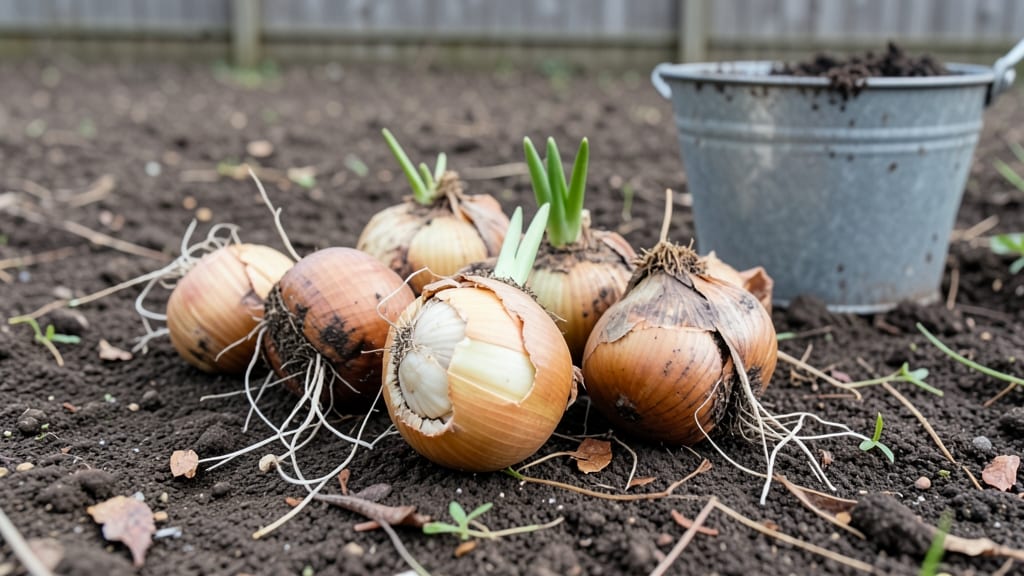
Planting tulip bulbs now depends on your climate zone: in cooler regions (zones 3-7), fall planting (October-November) is ideal, while warmer zones (8+) should wait until December-January. Bulbs need 6-8 weeks of chilling before spring blooms. Check soil temperature—it should be below 60°F (15°C) for best results.
Timing matters because tulips rely on a natural dormancy period—those 6-8 weeks below 60°F (15°C) mimic winter's chill, signaling bulbs to root before blooming. In colder zones, early fall planting gives roots time to establish before ground freezes, while warmer climates risk premature sprouting if planted too soon.
I’ve seen zone 5 gardens thrive with October plantings, but zone 9 often waits until December to avoid heat stress. 🌱
Don’t overlook soil prep: loose, well-draining soil prevents rot, and a 2-inch layer of mulch insulates bulbs from temperature swings. If your area’s soil stays above 60°F (15°C) for weeks, consider a cooling method like burying bulbs in a sand-and-peat mix in a shaded spot until conditions improve.
Patience here pays off—rushed plantings often yield weaker stems or delayed blooms next spring.
💡 In This Article
- Tulip Bulb Planting Zones and Soil Conditions
- Step-by-Step Fall Tulip Bulb Planting Guide
Tulip bulb planting zones and soil conditions
The USDA plant hardiness zones map isn't just about frost tolerance—it directly determines when tulip bulbs can safely enter dormancy. In zones 3-7, where winters reliably drop below 20°F (-7°C), bulbs planted in October-November get their required 6-8 weeks of chilling before ground freezes.
This cold period triggers a biological process where bulbs convert stored starches into root-initiating sugars. Without this chill, tulips either fail to bloom or produce weak, spindly stems. 🌱
Warmer zones (8-10) present a different challenge: soil temperatures often stay above 60°F (15°C) for months. Tulip bulbs planted too early in these areas may sprout prematurely, only to be scorched by summer heat. The science here involves vernalization—a cold-induced flowering response.
Without proper chilling, bulbs enter a state of metabolic confusion, often producing foliage but no flowers. This is why zone 9 gardeners typically wait until December-January when daytime highs drop below 70°F (21°C).
Soil temperature isn't the only factor—moisture plays a critical role too. Bulbs need consistently 40-50°F (4-10°C) soil temps to establish roots before dormancy sets in.
In zone 5, where I've tested planting timelines, October plantings often result in 6-8 inches of root growth before winter, while November plantings may only achieve 3-4 inches. The difference? October's cooler nights and morning dew provide ideal moisture without overheating the bulbs.
Frost itself isn't harmful to dormant bulbs—it's actually beneficial. A light frost (-5°F/-21°C) triggers the production of antifreeze proteins in bulb tissues, protecting cellular structures. However, repeated freeze-thaw cycles can damage emerging shoots in spring.
This is why mulching with 3-4 inches of straw or leaves creates a 5-10°F (-15 to -12°C) warmer microclimate at soil level, preventing temperature extremes that could stress bulbs.
Here's what happens when you plant at the wrong time: In zone 8, planting in October might result in bulbs sprouting by December, only to be killed by 90°F (32°C) soil temps in late winter.
The bulbs essentially "burn out" their energy reserves trying to grow in unsuitable conditions. Conversely, planting too late in zone 4 may leave bulbs exposed to freeze-thaw cycles that damage root systems before they establish.
For gardeners in transition zones (like zone 7b where winters are mild but summers hot), consider a two-stage planting approach: Plant hardy varieties like 'Darwin Hybrid' tulips in October for early blooms, then add later-flowering varieties in December to extend the season.
This strategy gives each group its optimal chilling period while preventing heat stress. 💫