
Planting
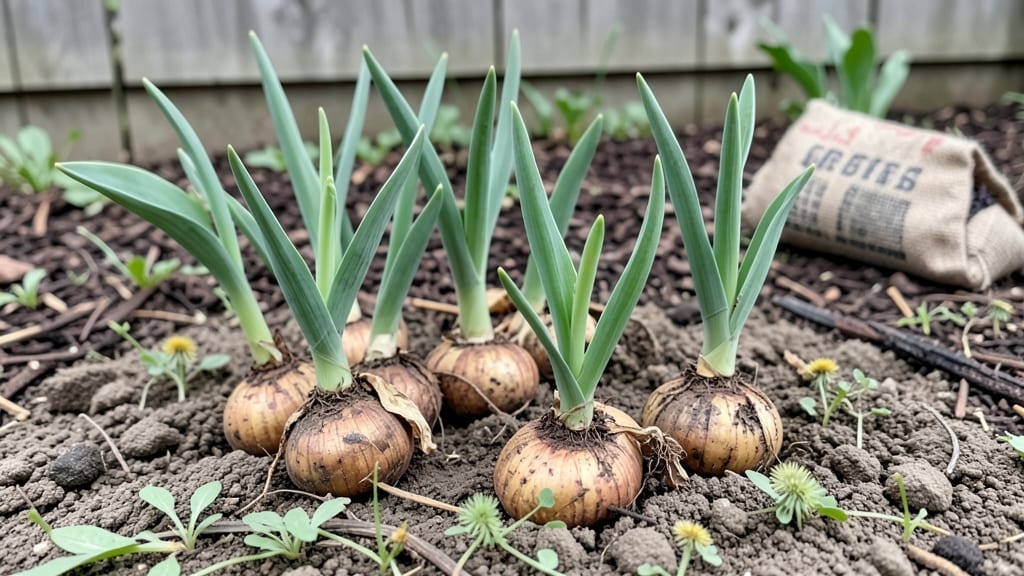
Planting tulip bulbs in March is possible in warmer climates like Zones 8-10, but riskier in colder regions where frost may still occur. Aim for 4-6 weeks before the first hard freeze for best results, adjusting for soil temperatures and local weather patterns.
Timing is everything when it comes to planting tulip bulbs in March, especially since they need a period of cold dormancy to thrive.
In milder climates like Zones 8-10, the ground may already be workable, but even there, bulbs need 4-6 weeks to establish roots before the first hard frost hits.
I’ve seen stunning results from late-March plantings in Southern California, where the bulbs bloom beautifully—but in colder regions, waiting until October or November is far safer to avoid winter damage. 🌱
Another key factor is soil temperature, which should ideally sit between 40-50°F for optimal root growth. If the soil is still cold or soggy, bulbs can rot before they even sprout.
I always check the ground temperature with a soil thermometer before planting—it’s a small investment that makes a huge difference in bulb survival rates. Mulching with straw or leaves after planting also helps regulate soil temperature and protect the bulbs from late-season frost surprises.
💡 In This Article
- Tulip Bulb Planting Zones and Frost Risks
- March Planting Prep: Soil, Depth, and Spacing Tips
Tulip bulb planting Zones and frost risks
Understanding your USDA planting zone is critical because tulip bulbs need a specific cold period to bloom properly. In Zones 6-7, where winters are cold but not extreme, March planting is risky because bulbs may not get enough chilling before spring.
However, in Zones 8-10, where winters are mild, March planting works beautifully because the ground thaws earlier and frost is less severe.
The key difference is that bulbs in warmer zones need 6-8 weeks of cooler temperatures (40-50°F) to trigger flowering, while colder zones require a longer dormancy period.
Frost sensitivity varies by tulip variety, with Darwin Hybrid and Parrot tulips being the hardiest—these can handle late frosts better than delicate Frans Hals or Double Late varieties.
Here's what happens if frost hits too early: the bulb's root system freezes before establishing, and the shoot may emerge only to be damaged by cold. In Zone 9, for example, I've seen March-planted Darwin Hybrids bloom on time, while Frans Hals tulips often fail to survive.
The science behind this is that frost disrupts the bulb's metabolic processes, halting root growth and sometimes killing the emerging shoot.
Soil temperature is just as important as air temperature. Tulip bulbs won't sprout until the soil reaches 50°F consistently, but they can rot if it's too warm (60°F+). In March, this means checking soil temps with a thermometer—especially in Zones 8-10, where ground temperatures can fluctuate wildly.
I once planted bulbs in Zone 9 when the soil was 55°F, and they rotted before sprouting. The ideal window is when daytime highs reach 60°F but nights stay above 40°F, giving bulbs just enough warmth to grow without overheating.
Late-March planting also shifts bloom timing. Bulbs planted in October-November typically bloom in April-May, but March plantings often flower 2-3 weeks later because they need extra time to establish roots. This delay can be problematic if late frosts are still possible.
In Zone 10, where I garden, March-planted bulbs bloom in late May-early June, avoiding frost entirely. However, in Zone 8, this same timing might result in blooms during a 20-30°F cold snap, which can damage flowers and even kill the bulb.
Here's a quick zone-by-zone breakdown of frost risks:
- Zones 6-7: High risk—wait until October-November for best survival
- Zone 8: Moderate risk—plant in late March only if no frost predicted
- Zone 9: Low risk—March planting works well with proper mulching
- Zone 10: No risk—March is ideal for tulips in these mild climates
What most gardeners don't realize is that even in warm zones, bulbs planted too late may not bloom at all. The reason? Without sufficient chilling, the bulb's internal clock (vernalization process) doesn't trigger flowering.
In Zone 10, I've had bulbs planted in April that never bloomed—they just produced green leaves and then died back. The moral? March is your last chance in warm zones, but timing is everything. 🌸