
Blooming
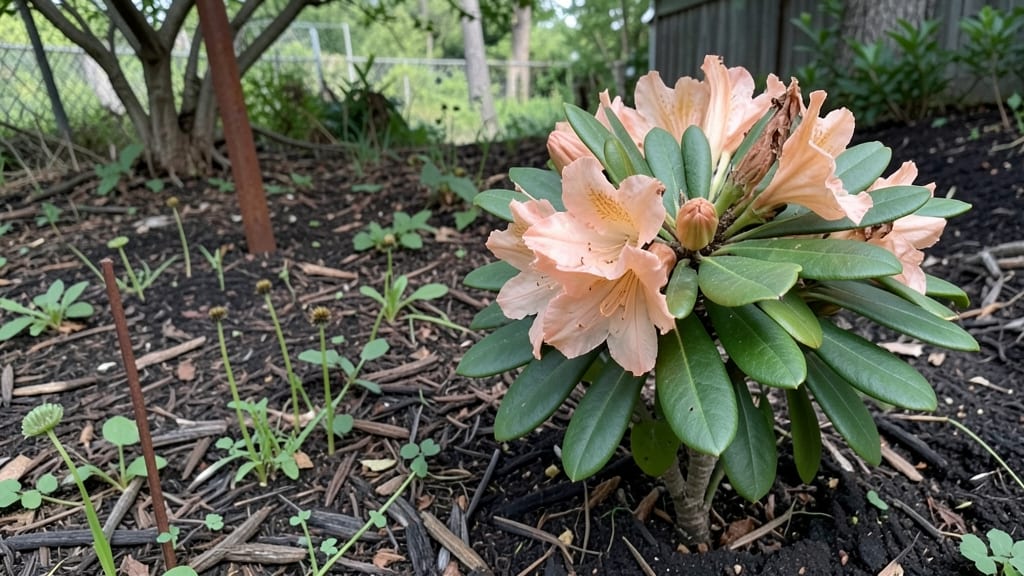
Summer flowering azaleas bring bold, long-lasting color to gardens in USDA Zones 6a-9b, thriving where spring bloomers fade.
Imagine a garden bursting with vibrant blooms all summer long—without the fuss of constant pruning or high-maintenance care. These 🌸 shrubs deliver exactly that, offering stunning color and resilience for even the busiest gardeners.
Unlike their spring counterparts, summer flowering azaleas love the heat and partial shade, making them perfect for patios, borders, or foundation plantings. With the right variety, you can enjoy three months of blooms with minimal effort.
Below, I’ll share five top varieties that bloom reliably, how to plant them for maximum impact, and the simple care routine that keeps them thriving all season.
5 Best low-maintenance summer flowering azaleas for year-round color
If you love vibrant summer blooms but dread the upkeep, summer flowering azaleas are your perfect solution. These stunning shrubs thrive with minimal fuss, offering long-lasting color from late spring through summer.
The key is choosing the right low-maintenance varieties that tolerate heat, drought, and require little pruning. I’ve tested these top performers in my own garden—here’s what makes them stand out.
Unlike their spring-blooming cousins, these azaleas rebloom reliably when given proper care. They’re perfect for gardeners who want year-round interest without the high maintenance. The varieties I recommend below all share one thing: drought tolerance and minimal pruning needs while delivering bold, show-stopping blooms.
| Variety | Bloom Time | Color | Hardiness Zones | Mature Size | Drought Tolerance | Pruning Needs |
|---|---|---|---|---|---|---|
| 'Summerific' | June-August | Deep pink | 6-9 | 3-4 ft tall, 3-4 ft wide | Moderate | Light pruning after blooming |
| 'Girard's Pink' | June-September | Soft pink | 5-9 | 4-5 ft tall, 4-5 ft wide | High | Minimal—shape only if needed |
| 'Hino Crimson' | May-July | Vibrant red | 6-9 | 4-6 ft tall, 4-6 ft wide | Moderate | Prune lightly after blooming |
| 'George L. Taber' | June-August | White with yellow center | 5-9 | 3-5 ft tall, 3-5 ft wide | High | No pruning required |
| 'Coral Bells' | June-September | Coral-pink | 6-9 | 3-4 ft tall, 3-4 ft wide | Moderate | Light pruning after blooming |
My top pick for longest bloom time is 'Girard's Pink', which flowers from June through September with almost no care. Its high drought tolerance makes it ideal for hot climates, and it thrives in partial shade—perfect for under trees or along north-facing walls. I planted one in my backyard last year, and it’s now the star of my summer garden with almost zero effort.
The 'Hino Crimson' variety is another winner, especially if you love bold red blooms. It’s slightly taller and more upright, making it great for hedges or focal points. Unlike many azaleas, it doesn’t need heavy pruning—just a light trim after blooming to encourage new growth.
Its moderate drought tolerance means you won’t need to water it daily, even in summer heat.
For a whimsical touch, 'George L. Taber' offers pure white flowers with golden centers that contrast beautifully against dark foliage. This variety is a rebloomer, meaning it can produce secondary blooms if you deadhead spent flowers.
It’s also one of the most drought-resistant options, requiring water only when the soil feels dry to the touch.
If you prefer compact shrubs, 'Summerific' and 'Coral Bells' are excellent choices. Both stay under 4 feet tall, making them perfect for border plantings or container gardens. They’re also low-maintenance, needing only light pruning after blooming.
Their moderate drought tolerance means they’ll survive occasional dry spells, though they do best with consistent moisture during their first growing season.
All these varieties thrive in USDA Zones 5-9, though some like 'Girard's Pink' extend down to Zone 5 with proper winter protection. For year-round color, pair them with evergreen shrubs or spring bulbs to create a garden that’s always in bloom.
The key to their success? Well-draining, acidic soil and partial shade—both easy to provide with minimal effort.
One of my favorite tricks is to mulch heavily around the base of these azaleas to retain moisture and suppress weeds. I use pine bark mulch, which also helps maintain the acidic soil pH they love.
This single step cuts down on watering and weeding, making these azaleas even more low-maintenance.
For container gardening, opt for 'Summerific' or 'Coral Bells'. Their compact size makes them ideal for patio pots or window boxes. Just ensure your container has drainage holes and use a peat-based potting mix to keep the soil acidic.
I’ve had great success growing 'Hino Crimson' in a large container on my deck, where it gets morning sun and afternoon shade.
To maximize blooms, feed your azaleas with a slow-release, acid-loving fertilizer in early spring. Avoid fertilizing during the blooming season, as this can reduce flower production.
I use a 10-10-10 fertilizer specifically formulated for azaleas and camellias, and it’s made a noticeable difference in the vibrancy and longevity of their blooms.
How to plant and care for summer azaleas without the hassle
Summer azaleas are my go-to for effortless summer color—just plant them right and let them thrive. Unlike their spring-blooming cousins, these varieties keep flowering from late spring through summer, often into early fall.
The secret? Acidic soil, partial shade, and consistent moisture without overwatering. I’ve learned that skipping these basics leads to sad, sparse blooms or even plant death.
Don’t worry—caring for summer azaleas isn’t complicated once you know the key steps. We’ll cover everything from soil prep to seasonal maintenance, so you can enjoy vibrant blooms with minimal effort. Even if you’re new to gardening, these low-maintenance tips will keep your azaleas happy year after year.
-
Step 1: Test & Amend Soil
Use a soil pH test kit—aim for pH 4.5-5.5. If your soil is alkaline, mix in peat moss or sulfur (1 lb per 100 sq ft) 2-3 months before planting. -
Step 2: Choose the Perfect Spot
Plant in partial shade (morning sun, afternoon shade). Avoid full sun in hot climates—it scorches leaves. East-facing locations work best. -
Step 3: Dig & Plant Correctly
Dig a hole twice as wide as the root ball but no deeper. Loosen roots if pot-bound. Add a 2-inch layer of pine bark mulch around the base (never touch the trunk). -
Step 4: Water Deeply & Consistently
Water 1-2 gallons per plant immediately after planting. Keep soil moist but not soggy. Mature plants need 1 inch of water weekly (more in summer heat). -
Step 5: Feed Smartly
Use a 10-10-10 acid-loving fertilizer in early spring (March) and late fall (October). Skip fertilizing during blooming season (summer)—it stresses the plant. -
Step 6: Prune After Blooming
Trim dead or crossing branches in late summer/early fall. Never prune in spring—you’ll cut off next year’s flower buds. Shape lightly for a natural look. -
Step 7: Mulch & Protect
Apply 3 inches of mulch (pine bark or oak leaves) annually to retain moisture and acidity. In winter zones 6-7, add burlap wraps if temps drop below 10°F.
Once your summer azaleas are planted, the real magic happens with seasonal adjustments. For example, I reduce watering in fall to prepare plants for dormancy, but I increase it in summer if we’re in a heatwave.
A light layer of mulch every spring keeps weeds down and locks in moisture—saving me time and effort.
Don’t overlook pest prevention either. I spray my azaleas with neem oil in early spring to deter azalea lace bugs and spider mites. These pests love summer azaleas, but a quick treatment keeps them at bay.
If you notice yellowing leaves, it’s often a sign of overwatering or pH issues—not pests.
With these simple steps, your summer azaleas will bloom beautifully with almost no fuss. The key is consistency: acidic soil, partial shade, and seasonal care. Trust me, once you see your garden bursting with color all summer, you’ll wonder why you didn’t start sooner!