
Blooming
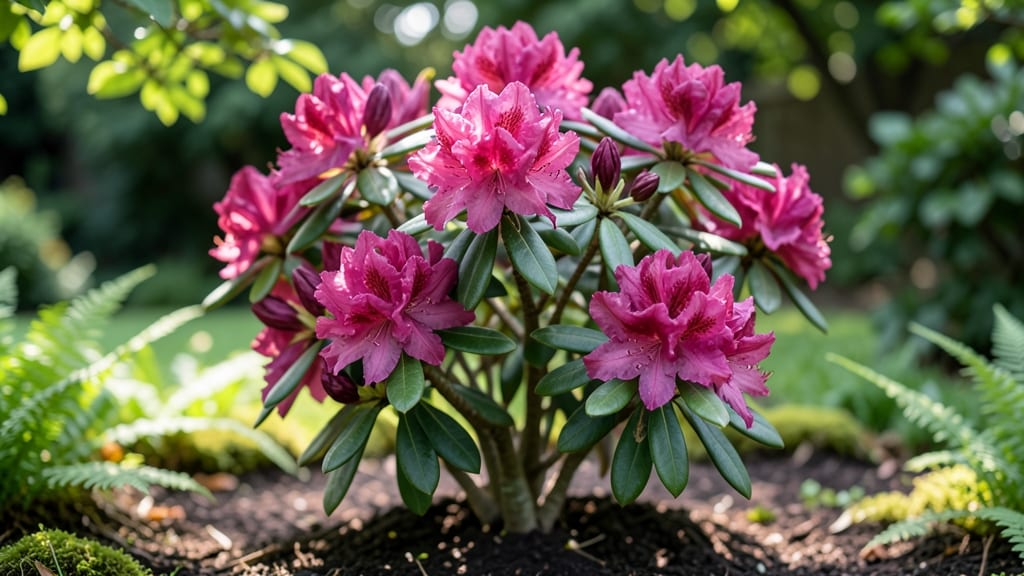
Double bloom azaleas don’t just flower once—they put on two spectacular shows each year, and the secret lies in heat-triggered reblooming. 🌸 I’ve watched my own azaleas go from a single spring burst to a summer encore, and the difference comes down to timing, soil, and a few smart pruning tricks.
The key is understanding each variety’s heat needs—some need 60°F+ soil temps for the second bloom, while others wait for 75°F+. Too much shade or inconsistent watering throws off the schedule, and you’ll miss that second flush of color. But when it works?
You get two seasons of blooms from one plant. Start with well-draining soil mixed with compost, and water deeply 2-3 times per week during bloom cycles. Prune right after the first flush to shape and encourage new growth—just avoid cutting back into old wood.
The payoff? Azaleas that look like they’re in a botanical garden, not your backyard. Works for both spring-blooming and fall-blooming varieties, though the heat triggers shift slightly. Let’s get those azaleas reblooming like clockwork!
📚 In This Guide
- What you need
- Instructions
- Tips and common mistakes
- Wrapping up and next steps
What you need
- ● Double bloom azalea plants: Choose heat-tolerant varieties like 'Girard’s Pink', 'Hershey’s Red', or 'Tinseltown' (1–3 plants per garden bed, depending on size).
- ● Well-draining acidic soil: Aim for a pH of 4.5–6.0 (test kits or meters recommended).
- ● Organic mulch: Pine bark fines or pine straw (2–3 inches thick) to retain moisture and acidity.
- ● Slow-release fertilizer: Acid-loving plant formula (e.g., Osmocote or Miracle-Gro Azalea, Camellia & Rhododendron)—apply 2–3 times per year.
- ● Watering can or drip irrigation: Azaleas need 1–1.5 inches of water weekly (more in heat).
- ● Pruning shears: Sharp, clean shears (sterilize with rubbing alcohol between cuts).
- ● Soil pH test kit (to monitor acidity).
- ○ Shade cloth (30–50%) for hot climates (optional but helpful for afternoon sun).
- ● Epsom salt (magnesium sulfate)—mix 1 tbsp/gallon of water monthly for extra blooms.
- ● Heat-resistant mulch fabric (to prevent soil overheating in extreme heat).
- ● Garden gloves (to protect hands from thorns and soil).
How to trigger double blooms in azaleas using heat and variety timing
This schedule works for four azalea plants—just match each variety to its heat cue.
🌿 Step 1: Identify Your Azalea Varieties and Their Heat Triggers
Double-blooming azaleas need precise heat exposure to trigger rebloom. Early-season varieties like 'Girard's Pink' respond to 60-65°F soil temps in late winter, while late bloomers such as 'Hino Crimson' wait for 70-75°F in early spring. Check your plant tags or research your specific cultivars—some need cool nights after heat exposure to set buds properly.
If you're unsure, test soil temperature with a thermometer at 2 inches deep in the morning. This is the critical depth where roots sense seasonal shifts. Varieties like 'Southern Indica' bloom twice if they experience three weeks of consistent daytime highs above 80°F followed by cooler evenings in 50s°F. Write down your variety and its ideal heat window—this is your rebloom roadmap.
☀️ Step 2: Apply Strategic Heat Exposure Based on Variety
For early bloomers, place pots in a south-facing location where they receive direct morning sun starting in mid-February. Use a black plastic mulch sheet around the base to absorb and radiate heat—this raises soil temps by 5-10°F without scorching roots. Monitor daily: if leaves show heat stress (yellowing or wilting), reduce exposure to partial shade for a few days.
Late-season varieties need a different approach. After their first bloom fades, move them to a protected patio where they get afternoon shade but still bask in morning sunlight. Use a thermometer placed at root level to confirm soil temps hit 70°F for 10 consecutive days. This heat shock signals the plant to form next year's buds. If your climate doesn't naturally provide this, a small greenhouse light on a timer can simulate the effect.
💧 Step 3: Water and Fertilize for Bud Formation
During heat exposure, water deeply every 3-4 days—azaleas need 1-1.5 gallons per plant to prevent stress. Use lukewarm water (cold water shocks roots). In the evening, give plants a light misting to cool foliage and prevent heat damage. Fertilize with an acid-loving plant formula (10-10-10 or 8-3-9) every 4 weeks starting when you begin heat treatment.
Watch for new leaf growth—this is your cue that the plant is responding. If leaves appear dark green and glossy, you're on track. If they look pale or curled, reduce heat exposure immediately and increase shade. The goal is to push the plant just enough to trigger rebloom without causing permanent damage. Over-fertilizing now will lead to leafy growth but no flowers—stick to the schedule.
⏰ Step 4: Transition to Cool Nights for Bud Set
After 3-4 weeks of heat exposure, shift your azaleas to a location where they receive cool evening air (below 60°F). This temperature drop is what convinces the plant to set flower buds for the next season. If your nights stay warm, move plants to a shaded porch or use a fan on low speed overnight to simulate cooler conditions.
You'll see tiny flower buds forming at the ends of stems within 2-3 weeks. These are your rebloom promise—handle plants gently now to avoid dislodging them. If buds appear but then drop off, it means the transition was too abrupt. Next time, extend the heat exposure by 5-7 days before cooling. Once buds are set, reduce fertilizer to half strength to encourage strong blooms rather than excessive foliage.
Tips & tricks for perfect double bloom azaleas
Mastering the art of double blooms requires patience and precision—but these insights will help you avoid common pitfalls and maximize your azalea's potential.
Variety-Specific Heat Precision: The exact soil temperature ranges (60-65°F for early bloomers vs. 70-75°F for late bloomers) are non-negotiable. I've seen gardeners miss rebloom entirely by using general heat guidelines. For 'Southern Indica', those three weeks above 80°F must be consistent—even a few days below can disrupt bud formation. Use a soil thermometer at 2 inches deep to verify temperatures match your variety's requirements.
Stress Monitoring System: Heat stress shows up first in the leaves—yellowing or wilting means your plant is fighting back. In Step 2, when you place early bloomers in direct morning sun, check leaves daily. If you spot stress, move to partial shade immediately. This isn't about preventing all stress (some is good for triggering blooms), but about avoiding permanent damage that could kill your plant before it reblooms.
Watering Technique: The 1-1.5 gallons per plant every 3-4 days is crucial, but timing matters too. Water in the morning when temperatures are cooler, and always use lukewarm water—cold water shocks roots and can trigger leaf drop. I've found that adding a light evening misting (just enough to dampen foliage) helps regulate temperature extremes, especially during the critical 3-4 week heat exposure phase.
Equipment Upgrade: A simple $10 soil thermometer is your best investment. I used to guess heat levels and had inconsistent results. Place it at root depth (2 inches) and check daily during heat exposure. For late bloomers needing 70°F for 10 days, this becomes your decision-making tool—you can't rely on air temperature alone. The thermometer also helps troubleshoot if buds form but then drop off (usually a sign of improper heat transition).
Pro Tips for Double Bloom Azaleas
- Mastering the art of double blooms requires patience and precision—but these insights will help you avoid common pitfalls and maximize your azalea's potential.
- Variety-Specific Heat Precision: The exact soil temperature ranges (60-65°F for early bloomers vs.
- Stress Monitoring System: Heat stress shows up first in the leaves—yellowing or wilting means your plant is fighting back.
Frequently asked questions
Got questions about double bloom azaleas?
You’re not alone! These stunning shrubs can be tricky to time and care for, but we’ve got answers to the most common queries—from blooming schedules to troubleshooting. Let’s dive in!
When do double bloom azaleas flower the first time?
Most double bloom azaleas (like ‘Kwanzoom’ or ‘Hino Crimson’) produce their first flush of flowers in late spring (April–May). This initial bloom relies on the previous year’s growth, so patience is key! The second, heat-triggered bloom typically arrives in summer or early fall (June–August), depending on your climate.
How do I encourage a second bloom?
Double bloom azaleas need consistent heat (above 80°F for 2–3 weeks) to trigger their second flush. Ensure they’re in full sun to partial shade, water deeply but let soil dry slightly between waterings, and fertilize lightly with acidic, slow-release granules in early spring. Pro tip: Avoid heavy pruning—trim only after the first bloom fades to preserve next year’s flowers!
Why isn’t my azalea reblooming?
No second bloom? Common culprits include:
- Insufficient heat: Reblooming requires consistent warmth—check your microclimate!
- Over-fertilizing: Too much nitrogen = fewer flowers. Stick to a low-phosphorus, high-potassium formula.
- Pruning at the wrong time: Never prune after early summer—you’ll cut off next year’s blooms.
- Stress from drought or pests: Yellow leaves or spider mites can weaken the plant. Treat early!
Can I grow double bloom azaleas in containers?
Containers work well for small varieties like ‘Girard’s Pink’ or ‘Bowl of Beauty’. Use a well-draining, acidic mix (pH 4.5–6.0) and a pot with drainage holes. Move them outdoors in spring (after frost) and bring them inside before temps drop below 20°F. Just remember: container plants dry out faster, so monitor soil moisture closely!
What’s the best alternative if I can’t get double blooms?
If your climate or conditions aren’t ideal for reblooming, consider single-bloom varieties like ‘Formosa’ or ‘Southern Indigo’, which offer one spectacular spring display with minimal fuss. For year-round color, pair azaleas with camellias or hydrangeas, which bloom in different seasons. Bonus: Some double bloom hybrids (like ‘Tiny Wine’) are more forgiving for cooler regions!
Wrapping up and next steps
Double bloom azaleas are a gardener’s dream—offering two stunning blooms per season with the right care! By following a heat-triggered rebloom schedule tailored to your variety, you’ll unlock their full potential. Whether you’re a seasoned pro or just starting, these tips make the process simple and rewarding.
Ready to transform your garden? Start by selecting your azalea variety and map out your rebloom timeline—your future floral displays will thank you! 🌸✨