
Trees
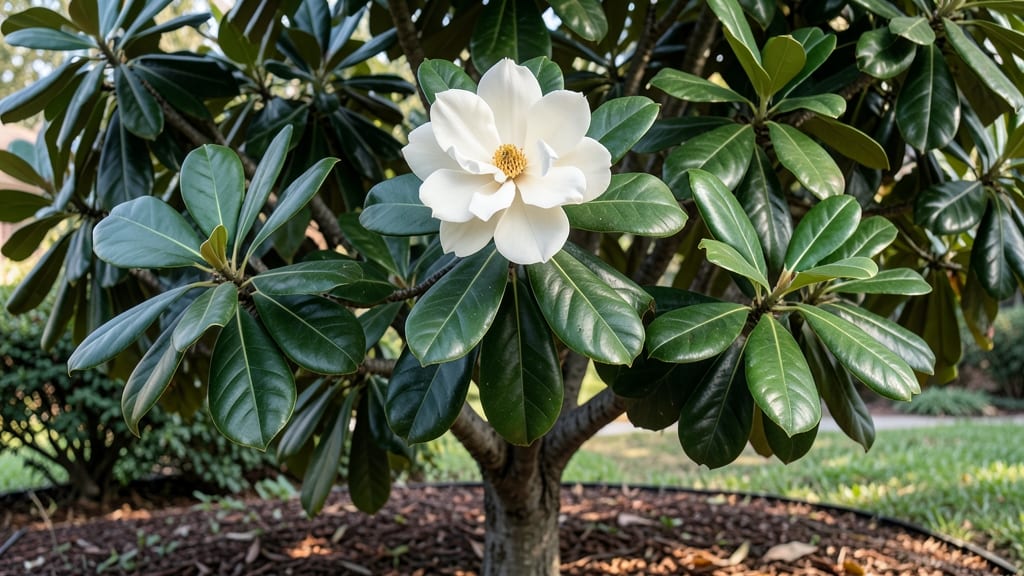
Magnolia trees in Georgia bloom between late winter and early summer, with timing that depends on the variety and your local microclimate.
Picture this: your yard transformed by fragrant pink blossoms in March, or creamy white trumpets lighting up May—only to realize you missed the show because you didn’t know the exact window.
That’s the challenge with Georgia’s magnolias, where Southern Magnolias (🌸) often open in April, while Saucer Magnolias wait until June.
The key? Understanding your zone’s frost dates, soil moisture, and even last year’s weather patterns. A late frost can delay blooms by weeks, while a warm winter might bring them out early—so planning around these variables is everything.
Below, I’ll break down the month-by-month blooming schedule for Georgia’s top varieties, how to spot early signs of buds, and the simple care tweaks that can extend your magnolia’s show by two to three weeks—no guesswork required.
Georgia’s Magnolia bloom seasons: month-by-month timing guide
Georgia’s humid subtropical climate creates the perfect stage for magnolias, but their bloom times vary dramatically depending on the variety and microclimate.
In the coastal regions (Zone 8a), magnolias often bloom as early as February, while inland areas (Zone 7b) may see blooms delayed until April or May. Understanding these patterns helps you plan garden visits or schedule weddings and events around their stunning displays.
The Southern Magnolia (Magnolia grandiflora) is Georgia’s iconic evergreen, typically bursting into bloom from late March through May, with peak fragrance in April.
Meanwhile, star magnolias (M. stellata) and saucer magnolias (M. × soulangeana) often bloom earlier, in March or even late February, making them perfect for early spring color.
Late bloomers like the cucumbertree magnolia (M. acuminata) may not appear until May or June.
| Variety | Bloom Months | Peak Time | Notes |
|---|---|---|---|
| Southern Magnolia (M. grandiflora) | March–May | April | Fragrant, evergreen; coastal areas bloom earliest. |
| Star Magnolia (M. stellata) | February–March | Late February | Early bloomer; cold-hardy to Zone 5. |
| Saucer Magnolia (M. × soulangeana) | March–April | Early April | Bold pink/purple blooms; thrives in full sun. |
| Cucumbertree Magnolia (M. acuminata) | May–June | Late May | Late-season bloomer; tall, pyramidal shape. |
| Sweetbay Magnolia (M. virginiana) | April–May | Mid-April | Fragrant, semi-evergreen; prefers moist soil. |
In North Georgia (Zone 7b), where last frost dates can linger into mid-April, magnolias often delay blooming until late April or May to avoid frost damage.
For example, a saucer magnolia in Athens might bloom in early April, while the same variety in Dahlonega could wait until mid-April. Microclimates matter: A sheltered spot near a south-facing wall can advance blooms by 1–2 weeks compared to an exposed yard.
If you’re growing star magnolias (M. stellata), aim for late February blooms in Savannah or Brunswick, but expect delays in Columbus or Macon until early March.
These early bloomers are prized for their winter-to-spring color and can even flower in December if planted in Zone 8b or warmer. However, a late frost in March can damage buds, so monitor your local frost forecast.
For late-season drama, cucumbertree magnolias (M. acuminata) shine in May and June, filling gardens with cup-shaped blooms just as summer begins. These trees thrive in upland areas and are less affected by coastal humidity.
Pair them with azaleas or camellias for a sequential bloom display from spring through summer. Their tall, conical shape also makes them ideal for backyard privacy screens.
Georgia’s humidity and heat can shorten bloom duration for some varieties, especially if summer arrives early. To extend blooms, ensure your magnolia has well-draining, acidic soil (pH 5.0–6.0) and consistent moisture during bud formation (fall through early spring).
Avoid over-fertilizing with nitrogen, which can promote leafy growth at the expense of flowers. Instead, use a balanced 10-10-10 fertilizer in early spring.
Pro tip: Pr
Top 5 Magnolia varieties in Georgia & their unique bloom times
Georgia’s magnolia trees offer a stunning floral display, but their bloom times vary dramatically—some burst into color in early spring, while others shine in late summer. Choosing the right variety ensures your garden stays fragrant and vibrant year-round.
The Southern Magnolia (Magnolia grandiflora) is Georgia’s iconic evergreen, but deciduous varieties like Star Magnolia (M. stellata) and Sweetbay Magnolia (M. virginiana) add diversity with earlier or later blooms.
Each magnolia variety thrives in Georgia’s USDA Zones 7b-8b, but their fragrance profiles and bloom durations differ. For example, the Star Magnolia dazzles with pink or white flowers in late winter, while the Saucer Magnolia (M. × soulangeana) delivers bold blooms in early spring.
Below, I’ve compared their peak bloom periods, care requirements, and fragrance intensity to help you plan your garden’s floral calendar.
| Variety | Peak Bloom Time | Bloom Duration | Fragrance | Hardiness Zone | Care Highlights |
|---|---|---|---|---|---|
| Southern Magnolia (M. grandiflora) | Late spring (May–June) | 4–6 weeks | Strong, sweet | 6–10 | Drought-tolerant; prune after blooming |
| Star Magnolia (M. stellata) | Late winter (Feb–March) | 2–3 weeks | Light, citrusy | 4–8 | Needs well-draining soil; full sun |
| Saucer Magnolia (M. × soulangeana) | Early spring (March–April) | 3–4 weeks | Moderate, spicy | 5–9 | Prune in late winter; tolerates urban conditions |
| Sweetbay Magnolia (M. virginiana) | Mid-spring (April–May) | 3–5 weeks | Delicate, floral | 5–9 | Thrives in wet soils; partial shade |
| Little Gem (M. grandiflora 'Little Gem') | Late spring (May–June) | 4–5 weeks | Strong, sweet | 7–10 | Compact; ideal for small yards |
If you’re planning a sequential bloom strategy, pair the Star Magnolia (early) with the Southern Magnolia (late) for a year-round floral show. The Sweetbay Magnolia is perfect for mo