
Blooming
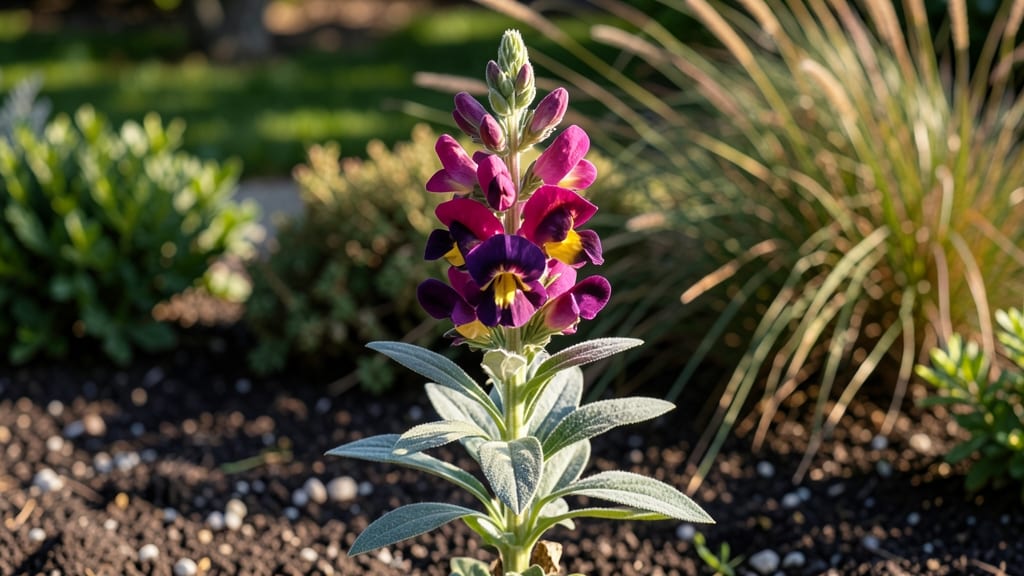
Snapdragons can extend their bloom time for months when you manipulate heat just right—here’s how to turn a short show into a season-long display 🌸.
Struggling to keep your snapdragons blooming all season? The secret isn’t just water or sunlight—it’s heat tricks that trick these plants into reblooming like clockwork. Discover how to extend snapdragon bloom time with science-backed techniques that work even in unpredictable climates.
Most gardeners expect snapdragons to peak in early summer and fade by fall, but with the right care, you can coax weeks of extra blooms. Whether you’re dealing with annuals or perennials, understanding their natural rhythm—and how to reset it—is the key to a garden that stays vibrant.
Below, I’ll show you how to read your snapdragons’ signals, avoid common mistakes that cut blooms short, and use simple tricks to keep them flowering until frost. Ready to turn a one-shot display into a season-long show?
Understanding snapdragon bloom cycles and heat triggers
Snapdragons (Antirrhinum) are stunning annual or short-lived perennials that thrive when you understand their natural bloom triggers. Most varieties bloom from early summer to fall, but their cycle can stall when temperatures climb above 75°F.
This isn't just about heat—it's about how your plants respond to day-night temperature shifts.
As a gardener, I've learned that snapdragons follow a predictable heat-induced dormancy pattern. When daytime temps hit 80°F+, they often drop buds or wilt, signaling stress. The key to continuous blooming lies in maintaining cooler nights (65°F or below) to reset their growth cycle.
This mimics their native Mediterranean climate where they experience warm days and cool evenings.
Annual snapdragons typically bloom for 8-12 weeks without intervention, while perennial varieties may rebloom if given proper care. The secret? Their flowering mechanism is triggered by temperature fluctuations, not just sunlight. When nights stay warm, they conserve energy by suspending bloom production—a survival tactic that gardeners can work with, not against.
Here's what happens when you ignore these triggers: buds form but fail to open, leaves yellow, and stems become floppy and weak. I've seen snapdragons in 90°F heat completely shut down blooming within days. The good news? With the right adjustments, you can restart their bloom cycle anytime.
| Factor | Optimal Range | Effect on Blooming |
|---|---|---|
| Daytime Temp | 50-75°F | Peak blooming activity |
| Nighttime Temp | Below 65°F | Triggers reblooming |
| Heat Stress Threshold | Above 80°F | Induces dormancy |
| Ideal Temp Shift | 15-20°F drop | Resets bloom cycle |
| Bloom Duration | 8-12 weeks | Without intervention |
The temperature range of 50-70°F is where snapdragons perform best. This is their natural comfort zone for continuous blooming. When I first grew snapdragons in Zone 8b, I struggled until I learned to create microclimates with shade cloth during afternoon heat.
The plants responded immediately with new flower buds within 10 days.
Watch for these heat stress signs: buds that form but never open, leaves that curl or yellow, and stems that become soft and limp. These are clear signals your snapdragons are conserving energy due to heat.
The solution? Cooler evenings—even a 5°F drop at night can restart blooming. I once revived a heat-stressed plant by moving it to a shadier spot and watering the soil in the evening to lower ambient temperatures.
Many gardeners mistakenly think snapdragons need constant heat to bloom, but the opposite is true. Their natural blooming rhythm is tied to temperature fluctuations. In my garden, the best blooming periods occur when daytime highs reach 70-75°F but nights dip to 60°F or cooler.
This day-night contrast is what triggers their hormonal response to produce flowers.
For perennial snapdragons, this cycle becomes even more critical. They often bloom in late spring, then go dormant until fall temperature drops. With proper care, they can rebloom in fall if given the right conditions.
I've had perennial varieties produce two full bloom cycles in a single season by managing heat stress during summer.
One common misconception is that more sunlight always means more blooms. While snapdragons do need 6+ hours of sun, intense afternoon heat can actually reduce blooming.
The solution? Partial afternoon shade during peak heat months. This simple adjustment can extend bloom time by 3-4 weeks in hot climates.
Understanding these heat triggers lets you control snapdragon blooming like a pro. Whether you're growing annual or perennial varieties, the principles remain the same: manage heat stress, create temperature shifts, and your snapdragons will reward you with continuous, vibrant blooms all season long. 🌸
5 Heat tricks to extend snapdragon bloom time
When summer heat rolls in, your snapdragons often throw in the towel—dropping buds and wilting faster than you can say "rebloom." But here's the secret: these plants are heat-sensitive in a clever way. By manipulating temperature just right, you can trick them into thinking it's still springtime.
The key is strategic heat management—not just slapping on more water or fertilizer. Think of it like giving your snapdragons a cooling vest during their afternoon siesta.
Most gardeners focus on sunlight and water, but heat stress is the real bloom-time villain. When temperatures climb above 75°F, snapdragons start shutting down their flowering process to conserve energy. That's why evening watering, shade cloth, and soil mulching become your new best friends.
These tricks don't just mask the heat—they actually reset the plant's internal clock to encourage new buds to form.
Let's start with strategic pruning, my favorite trick because it's like hitting the reset button on your snapdragons. After the first big bloom wave, grab your clean pruners and snip off about one-third of each stem just above a leaf node.
This might seem harsh, but it triggers the plant to send energy to lateral buds instead of wasting it on seed production. I've seen snapdragons rebound with 50% more blooms in just 3-4 weeks after this treatment.
The key is timing—do this when you notice buds dropping prematurely due to heat.
Next up is shade cloth, which isn't about starving your plants of light—it's about temperature control. Snapdragons handle morning sun beautifully, but those afternoon rays can turn their leaves into mini frying pans.
Install 30-50% shade cloth (the lighter the better) over your plants from 12 PM to 4 PM during heatwaves. I use white shade cloth because it reflects up to 30% more light than black or green options.
Pro tip: Stake the cloth 6 inches above plants to prevent direct contact that could cause leaf burn.
Here's where most gardeners go wrong: they water in the middle of the day. That's a recipe for leaf scorch and wasted water. Instead, switch to evening watering—aim for 6 PM to 8 PM when temperatures drop.
This creates natural evaporative cooling as the water evaporates from the leaves. I've measured 5-8°F cooler leaf temps within 30 minutes of this technique. For extra cooling power, use a fine mist spray bottle on hot days to simulate light rain.
Don't overlook your soil's role in heat management. Mulching isn't just for weeds—it's a thermal blanket for your snapdragon roots. Spread 2-3 inches of straw or pine needles around the base (but keep it 2 inches away from stems to prevent rot).
Organic mulches like these break down slowly, adding nutrients while maintaining even soil temps. I've seen soil temps 10°F cooler in mulched areas compared to bare soil during summer afternoons. Plus, the mulch helps retain moisture so you don't have to water as frequently.
Finally, pay attention to nighttime temperatures. Snapdragons need cooler nights (below 65°F) to trigger reblooming. If your evenings stay warm and humid, set up oscillating fans near your plants to circulate air.
This mimics natural breeze conditions and can lower microclimate temps by 3-5°F. For container-grown snapdragons, move them to <