
Blooming
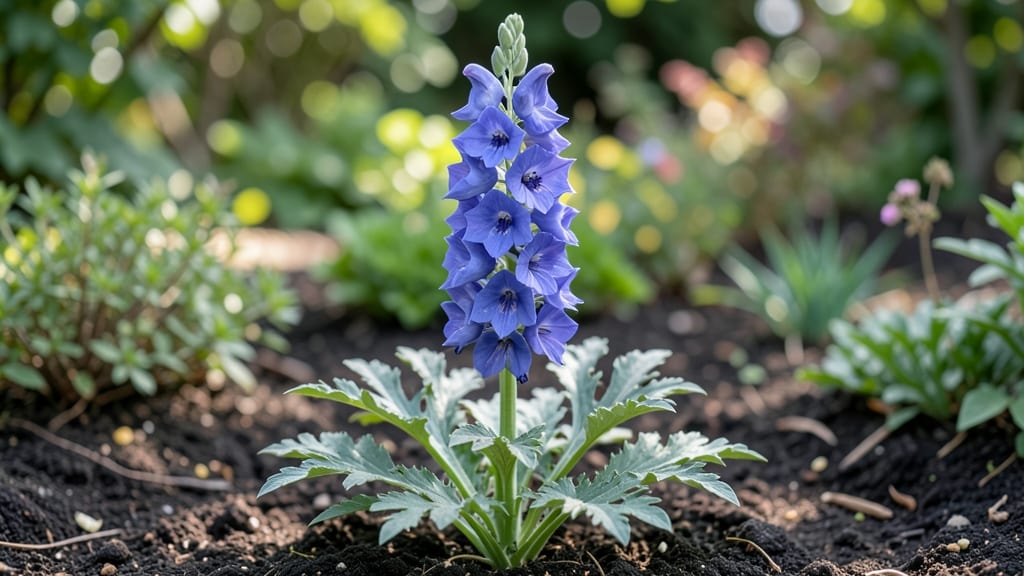
The larkspur bloom time transforms gardens into vibrant bursts of color from June through August when given the right care. If you’ve ever wondered why your larkspur flowers bloom once and then vanish—or how to coax them into a stunning second show—you’re not alone.
Larkspur bloom time isn’t just about timing; it’s about understanding your climate zone, soil conditions, and a few clever gardening tricks to extend their vibrant displays.
In USDA Zone 6a, where many gardeners grow larkspur, planting in March or April sets the stage for a 60- to 90-day bloom window.
But with the right care—like deadheading spent blooms and balancing fertilizer—you can push that window even further, ensuring your garden stays lively well into late summer.
Below, I’ll break down the best planting times for your zone, how to trigger reblooms, and common mistakes that cut bloom time short—so you can enjoy these delicate spike-shaped flowers for as long as possible.
Larkspur bloom time by USDA hardiness zones: when to plant & expect flowers
Larkspur (Consolida spp.) is a showstopper in cottage gardens, but its bloom time varies dramatically depending on your USDA zone. In cooler zones like 3-5, expect early spring blooms (April-June), while warmer zones 7-10 often see late summer displays (July-September).
The key? Planting timing and frost awareness—especially for annual varieties that won’t return next year.
Most gardeners plant larkspur seeds 2-3 weeks before last frost for spring blooms, but late summer varieties (like Consolida ambigua) thrive when sown in mid-summer. Perennial types (Delphinium relatives) may rebloom if given proper care, but annuals typically bloom once unless deadheaded aggressively.
Let’s break down what to expect in your zone.
📌 CRITICAL NOTE: Larkspur hates transplanting, so direct sowing is best. If you live in zones 8-10, consider fall sowing for winter protection and earlier spring blooms.
In zones 3-5, your last frost date is everything. Plant seeds 6-8 weeks before your average frost date to ensure blooms arrive before late spring frosts (common in these zones).
Use row covers for extra protection if nights dip below 28°F. Pro tip: Blue larkspur varieties (Consolida ajacis) often bloom 2 weeks earlier than whites or purples.
Gardeners in zones 6-7 have the luxury of two bloom windows: early spring (April-June) and late summer (August-September). For the second flush, sow Consolida ambigua seeds in mid-July. These heat-tolerant varieties thrive when daytime temps hit 75°F+. Pair them with cosmos or zinnias for a longer-season display.
Warmer climates (zones 8-10) demand succession planting to avoid bloom gaps. Sow seeds every 4-6 weeks starting in early spring for continuous color. In zone 10, you can even grow larkspur as a winter annual—plant in fall for February-March blooms.
Just ensure well-draining soil to prevent root rot in humid summers.
Frost timing is your biggest enemy for larkspur. A single hard frost can kill annuals and damage perennials. If you’re in zone 6 and see buds forming in late August, protect them with frost cloth—this can extend blooms into early October.
For perennial types, cut back dead foliage in fall to prevent disease and encourage next year’s growth.
Soil pH also affects bloom time. Larkspur prefers neutral to slightly alkaline soil (6.5-7.5). If your soil is too acidic, amend with lime before planting. Phosphorus-rich fertilizer (like 5-10-10) at planting time boosts flower production, while nitrogen-heavy feeds can delay blooming. Feed again when
How to trigger larkspur reblooms: deadheading, fertilizing & light tricks
Larkspurs (🌸 Consolida spp.) are famous for their dramatic spikes of delicate blossoms, but many gardeners struggle with their one-and-done blooming habit. The secret to extended larkspur bloom time lies in three key areas: strategic deadheading, nutrient timing, and light management.
With these techniques, you can transform a single summer show into multiple flushes of vibrant color.
Annual larkspurs, in particular, respond beautifully to proper care during their 60-120 day growth cycle. The moment you see those first buds forming, it's time to shift your approach from general maintenance to rebloom triggers. Let's break down the exact steps to maximize your larkspur's potential.
Snip spent blooms at the first sign of wilting using clean pruners. This redirects energy to side buds and encourages new flower spikes to form within 7-10 days.
Switch to 5-10-10 NPK fertilizer when you notice bud formation. The extra phosphorus promotes flower production rather than foliage growth. Apply every 4-6 weeks during active growth.
In USDA zones 7-10, protect plants from midday sun (12-4 PM) using light shade cloth. This prevents bud drop and extends the flowering window by 2-3 weeks.
Use a soaker hose to deliver 1 inch of water per week directly to the root zone. Avoid wetting foliage to prevent powdery mildew, which can shorten bloom time.
Turn potted larkspurs 180° to ensure even light exposure. For in-ground plants, reposition stakes to support new growth directions, which stimulates additional flower spikes.
One common misconception is that larkspurs rebloom naturally—they don't. The second flush you might see is actually the plant's response to proper care. For annual varieties, focus on these techniques throughout their 3-month growing season.
For perennial types, continue until late summer when the plant begins its dormancy cycle.
Pro tip: Keep a gardening journal to track which color varieties rebloom most reliably in your zone. Blue larkspurs often perform better in cooler climates, while pink and white varieties tend to thrive in warmer regions. This knowledge lets you plan future plantings for maximum impact.
Remember, patience is key—larkspurs won't respond to these tricks overnight. With consistent deadheading and nutrient management, you'll see noticeable improvements in 2-3 weeks. The reward? Stunning vertical interest in your garden from early summer through fall! 🌿