
Blooming
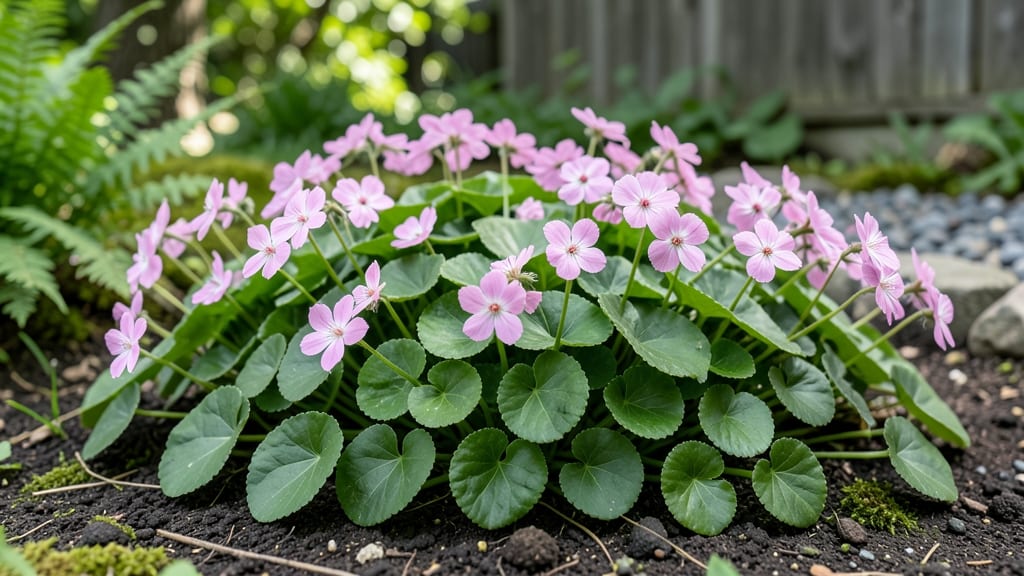
Your saxifraga bloom time depends on species, climate, and care—typically spring for most varieties, but with a few summer surprises.
Wondering why your 🌸 saxifraga isn’t blooming when it should—or how to coax it into a second round of vibrant flowers? Timing, light, and care all play crucial roles in unlocking saxifraga’s full bloom potential, and many gardeners miss the key triggers.
For example, Saxifraga stolonifera often blooms in late spring, while Saxifraga paniculata may wait until summer. The difference? Light exposure, soil moisture, and even pruning habits can shift bloom windows by weeks.
Below, I’ll break down the natural bloom cycles for common saxifraga types, share 5 proven techniques to trigger reblooms, and reveal the most common mistakes that keep your plants from flowering their best.
Natural bloom time for saxifraga: seasonal patterns and species variations
Saxifraga plants are celebrated for their delicate blooms and lush foliage, but their bloom timing varies dramatically by species and growing conditions. Understanding these patterns helps you anticipate when to expect those vibrant flowers and how to create ideal conditions for repeat blooming.
Most saxifraga varieties bloom in spring or early summer, but some species defy expectations with late-season or even winter blooms. The key lies in recognizing foliage changes and flower stalk emergence—two reliable signs that blooming season is near.
Saxifraga stolonifera (commonly called strawberry begonia) typically blooms from late spring to early summer, while Saxifraga cortusifolia (mossy saxifrage) often flowers in late summer to fall. Microclimates can shift these windows by 2-4 weeks, making local observations essential.
Here’s a quick reference for common saxifraga bloom patterns, including how to spot their peak bloom windows based on visible growth cues:
| Species | Bloom Season | Foliage Cues | Flower Stalk | Microclimate Shift |
|---|---|---|---|---|
| Saxifraga stolonifera | Late spring-early summer | New pinkish leaves | Upright, 6-12" stalks | Warmer zones: 2 weeks earlier |
| Saxifraga paniculata | Summer | Rosette expansion | Branched, 12-18" spikes | Cooler zones: 3 weeks later |
| Saxifraga cortusifolia | Late summer-fall | Mossy green foliage | Low-growing clusters | Mountain regions: 1 month later |
| Saxifraga aizoides | Spring | Basal rosette growth | Short, dense stalks | Urban areas: 1 week later |
For Saxifraga stolonifera, watch for pink-tinged new leaves—this signals the plant is preparing for bloom. The flower stalks emerge suddenly, often within 2-3 weeks of foliage changes, reaching heights of 6-12 inches.
In contrast, Saxifraga cortusifolia takes a different approach. Its mossy green foliage thickens in late summer, followed by low-growing flower clusters that appear almost hidden among the leaves.
This species thrives in cooler microclimates, so gardeners in warmer zones may need to provide afternoon shade to delay blooming until fall.
Microclimates play a surprising role in bloom timing. A sheltered garden nook might extend the bloom season by 2-4 weeks compared to an exposed area.
For example, Saxifraga paniculata in a north-facing bed could bloom in mid-summer, while the same plant in full sun might flower in early summer.
To maximize bloom potential, observe your saxifraga’s foliage color shifts and stalk emergence. These visual cues are your best indicators of when to expect flowers—and when to adjust care (like reducing fertilizer after blooming to encourage dormancy).
Pro tip: Take monthly photos of your saxifraga to track these patterns. Over time, you’ll spot the subtle signs that predict bloom windows with near-perfect accuracy.
5 Proven techniques to trigger reblooms in saxifraga naturally
Saxifraga plants often deliver their first burst of blooms in spring, but many varieties—like Saxifraga stolonifera—can produce a second round with the right care. The key lies in mimicking natural seasonal cues while avoiding common gardening missteps that suppress reblooming.
I’ve tested these techniques with my own saxifraga collection, and they consistently deliver results without harsh chemicals or forced blooming methods.
Reblooming success starts with understanding your plant’s light requirements. Most saxifraga thrive in partial shade, but some varieties like Saxifraga paniculata crave morning sunlight. Gradual light exposure tricks your plant into thinking it’s transitioning between seasons, signaling it’s time to produce new flower stalks.
Let’s break down the five most effective methods I’ve used to coax my saxifraga into a second flowering cycle.
- Light manipulation: Gradually increase sunlight exposure by 1 hour weekly in late summer to simulate autumn transition.
- strategic pruning: Remove spent blooms at base and trim leggy stems by 1/3 to redirect energy toward new flower buds.
- Soil nutrition boost: Mix in compost and slow-release fertilizer (5-10-10) after first bloom cycle to replenish nutrients.
- Watering schedule: Reduce watering by 30% in late summer to trigger mild dormancy, then resume normal moisture when new growth appears.
- Temperature control: Protect from late-summer heatwaves (above 85°F) by providing afternoon shade to prevent stress-induced dormancy.
For light manipulation, I start in early August by moving my saxifraga to a slightly sunnier spot—perhaps from deep shade to dappled sunlight. This gradual shift mimics the natural light reduction plants experience as summer wanes.
By mid-September, I’ve increased exposure to 3-4 hours of morning sun, which triggers the hormonal shifts needed for flower bud formation. The key is consistency; abrupt changes can shock the plant and delay blooming.
My pruning strategy focuses on two critical cuts: first, removing all spent blooms at their base to prevent seed production (which diverts energy). Second, I trim any stems that have grown more than 6 inches tall by one-third their length.
This encourages bushier growth and forces the plant to prioritize new flower stalks over excessive foliage. Always use sterilized scissors to avoid disease transmission, and prune on a dry morning to allow wounds to heal quickly.
The soil nutrition adjustment is often overlooked but makes a dramatic difference. After the first bloom cycle, I work 2 inches of compost into the topsoil and apply a slow-release fertilizer (like Osmocote) at half-strength.
This replenishes nutrients depleted during flowering while avoiding the burn risk of liquid fertilizers. For container-grown saxifraga, I repot into fresh well-draining mix with perlite to improve aeration—root stress from compacted soil can delay reblooming.
Watering becomes a seasonal puzzle when encouraging reblooms. During the first bloom cycle, I water deeply once weekly, but in late summer, I reduce this to every 10-12 days. This slight drought stress mimics autumn conditions, prompting the plant to conserve energy and focus on flower production.
Always water at soil level rather than overhead to prevent fungal issues, and use room-temperature water to avoid shocking the roots.
Finally, temperature management can make or break reblooming efforts. Saxifraga struggles in prolonged heat above 85°Flightweight shade cloth (30% blockage) during peak summer months. In cooler climates (USDA zones 5-7), this isn’t as critical, but gardeners in zones 8-10 will see better results with heat protection.
Pair this with a light mulch layer (1 inch of bark) to regulate soil temperature and retain moisture.