
Blooming
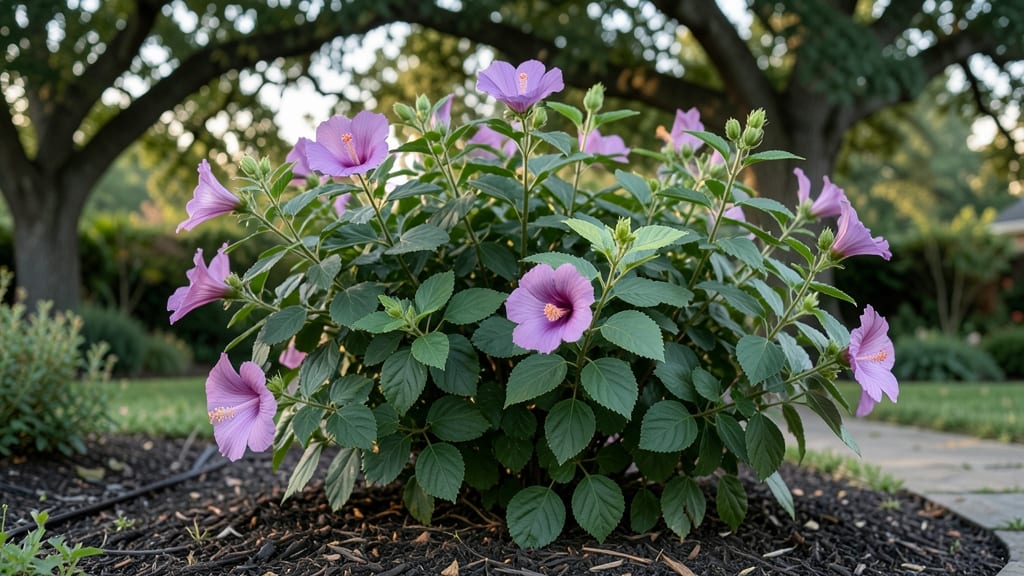
The Rose of Sharon bloom season transforms your garden into a purple-and-white dream 🌸, but timing is everything to get the most out of those show-stopping flowers.
If you’ve ever admired the dramatic spikes of Hibiscus syriacus and wondered why your plant’s blooms fizzle out too soon, you’re not alone. The secret lies in knowing when—and how—to coax those flowers into lasting longer, whether you’re in Zone 6a or a warmer region.
In most temperate zones, the peak bloom season stretches from July through September, but your exact timing depends on your hardiness zone, sunlight, and even pruning habits. With the right care, you can stretch those vibrant blooms into early fall, giving you months of effortless beauty.
Below, I’ll break down the month-by-month bloom schedule by zone, plus the simple tricks to extend your Rose of Sharon’s show—so you can enjoy its magic for as long as possible.
Rose of Sharon bloom season by USDA hardiness zones: month-by-month guide
The Rose of Sharon (Hibiscus syriacus) rewards patient gardeners with its stunning purple plumes, but bloom timing varies dramatically by USDA hardiness zone.
In colder zones like Zone 4, expect blooms to start later due to delayed spring warmth, while Zone 9 gardeners enjoy extended flowering through fall. Understanding these patterns helps you plan for the best viewing window—and even extend it with simple care tweaks.
Your zone determines not just when your Rose of Sharon blooms, but also how long the show lasts. Northern gardeners in Zones 4-6 often see a concentrated 6-8 week bloom period, while Southern gardeners in Zones 7-9 might enjoy blooms from June through October.
Let’s break down the month-by-month schedule for each zone, including early bloomers, peak season, and late-season surprises.
Pro Tip: Use this guide to time your pruning and fertilizing for maximum impact. For example, pruning right after the first frost in Zone 5 can encourage earlier blooms next year.
| USDA Zone | Early Blooms | Peak Blooms | Late Blooms | Notes |
|---|---|---|---|---|
| Zone 4 | Late June | July-August | Early September | Shortest season; frost risk after August |
| Zone 5 | Mid-June | July-September | Late September | Prune in early spring for longer blooms |
| Zone 6 | Early June | June-October | Mid-October | Longest bloom window in cooler climates |
| Zone 7 | Late May | June-November | Early November | Overwintering possible with mulch |
| Zone 8 | April-May | May-December | Late December | Near-continuous blooms in mild winters |
| Zone 9 | March-April | April-February | March | Year-round blooms possible in frost-free areas |
In Zone 4, where winters are harsh, your Rose of Sharon may wait until late June to burst into bloom, with a concentrated show through August. The risk of early frost in September cuts the season short, so plan to enjoy your blooms during peak summer weekends.
I’ve found that adding a thick layer of mulch in late fall helps protect roots and can encourage slightly earlier blooms the following year.
Gardeners in Zone 5 and Zone 6 get a longer window—typically from June through October—with Zone 6 extending into mid-October. This is the sweet spot for extended viewing, especially if you’re using deadheading techniques to remove spent blooms.
I’ve noticed that morning sunlight in these zones enhances flower vibrancy, so positioning your shrub where it gets 6+ hours of sun makes a noticeable difference.
Southern zones like 7-9 offer the most dramatic variations. In Zone 7
How to extend your Rose of Sharon’s bloom season naturally
Your Rose of Sharon (Hibiscus syriacus) can produce stunning purple plumes from early summer through fall—but only if you give it the right care. The key to a longer bloom season lies in pruning timing, fertilizing strategies, and consistent watering.
Unlike annuals, this hardy shrub rewards patience with repeat blooms, but it needs your help to keep producing those show-stopping flowers.
In my Zone 6a garden, I’ve learned that late-winter pruning and regular deadheading can extend blooms by 4-6 weeks. The secret isn’t just cutting back—it’s understanding how each season affects your plant’s energy. Let’s break down the step-by-step care to keep your Rose of Sharon flowering until frost.
- Prune in late winter (just before buds swell) to remove dead wood and shape the shrub. This encourages new growth that will bloom later.
- Fertilize lightly in early spring and mid-summer with a balanced 10-10-10 to fuel blooms without excessive foliage.
- Deadhead spent blooms weekly to redirect energy to new flower production instead of seed formation.
- Water deeply once weekly during dry spells, focusing on the root zone to prevent stress.
- Avoid fall pruning—let the shrub store energy for next year’s blooms by keeping its structure intact until late winter.
For gardeners in warmer zones (7-9), the challenge is different. Here, heat stress can shorten blooms, so I recommend morning watering and light afternoon shade during peak summer.
In cooler zones (4-6), focus on protecting buds from late frosts with mulch and delayed pruning until after the last frost.
One common mistake I see is over-fertilizing in fall, which can stimulate tender new growth vulnerable to frost. Instead, stop feeding by August to let your Rose of Sharon harden off for winter.
In my experience, a well-timed prune in late February (before buds break) sets the stage for longer, more abundant blooms starting in June.
Pro tip: If your shrub skips blooms one year, it’s often due to improper pruning. Always cut just above a bud or branch—never into old wood. This ensures next year’s flowers will have the energy to thrive.
With these adjustments, your Rose of Sharon can keep flowering until first frost, giving you purple spikes from July through October.
Remember, consistency is key. Weekly deadheading, seasonal pruning, and targeted fertilizing will turn your shrub into a non-stop bloomer. Start with these steps, and you’ll enjoy those dramatic plumes for weeks longer than your neighbors! 🌸