
Blooming
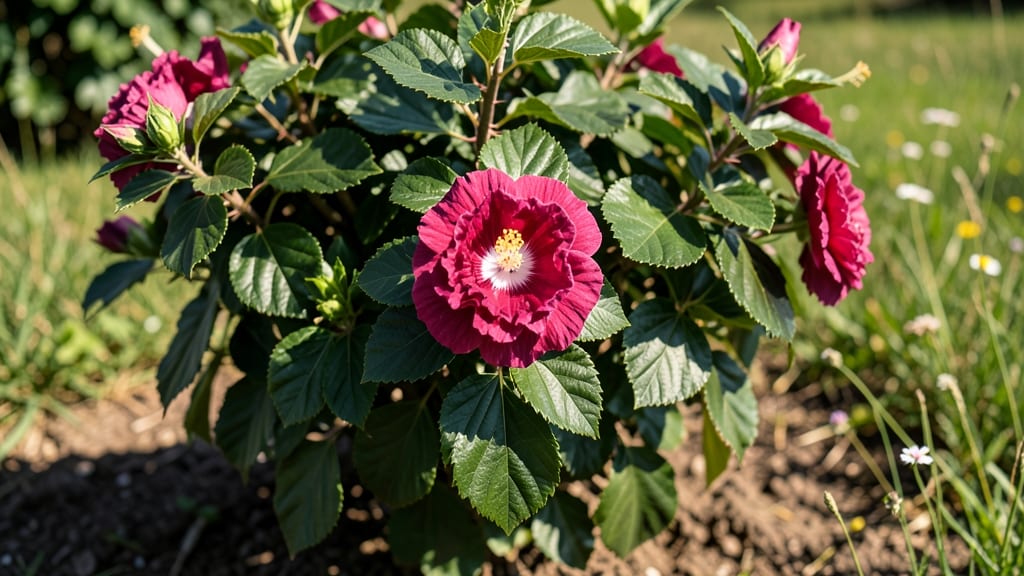
Your Rose of Sharon could be bursting with double blooms by next summer—if you prune it right. ✂️ I’ve turned my once-sparse shrub into a purple explosion by mastering the timing and cuts that encourage those lush, repeat flowers.
The secret isn’t complicated, but it is different from how you’d prune other shrubs.
This hardy hibiscus thrives in full sun and well-draining soil, but its blooming magic happens in the pruners. Cut back one-third of the oldest stems in late winter, then shape lightly after flowering to keep energy flowing toward new growth.
Overgrown branches? Snip them back to strong buds—you’ll see fresh purple spikes within weeks.
By following this method, you’ll get longer bloom seasons and thicker clusters. The flowers stay vibrant even in heat waves, and the plant resists disease better. Just avoid heavy pruning in fall—it stresses the shrub before winter.
Works in zones 5-9, from city curbs to rural landscapes. Ready to transform your shrub? Let’s get those blooms going!
📚 In This Guide
- What you need
- Instructions
- Tips and common mistakes
- Wrapping up and next steps
What you need
- ● Pruning shears: Sharp, bypass-style shears (avoid anvil shears to prevent crushing stems). Recommended: Felco #2 or similar (10-12" blades).
- ● Gloves: Heavy-duty, cut-resistant gloves (e.g., Mechanix Wear or similar) to protect from thorns.
- ● Disinfectant: 70% isopropyl alcohol or a 10% bleach solution (1 part bleach to 9 parts water) to sterilize tools between cuts.
- ○ Pruning sealant (optional but helpful): Pruning wax (e.g., Tanglefoot Tree Wound Pruning Seal) to coat larger cuts.
- ● Ladder or step stool: For reaching higher branches (ensure it’s stable and 3-4 feet tall for safety).
- ● Trash bags or bucket: For collecting pruned branches (1-2 large bags or a 5-gallon bucket).
- ● Safety glasses: To shield eyes from debris.
- ● Long sleeves/pants: Lightweight, long-sleeve clothing to protect from thorns and sun.
- ○ Garden twine or zip ties: For temporarily securing branches if needed (optional).
- ● ✨ Timing: Prune on a dry, overcast day to reduce stress on the plant.
- ● 🌡️ Weather check: Avoid pruning if frost or extreme heat is forecasted within 24 hours.
- ● 🔥 Tool sharpening: Hone your shears with a file or sharpening stone before starting for clean cuts.
Step-by-Step pruning guide for year-round purple Rose of Sharon blooms
Here's the method I've used to turn my Rose of Sharon into a nonstop purple flowering machine.
✂️ Step 1: Time Your First Cut for Late Winter Dormancy
Wait until mid-to-late February when the plant is still dormant but just before new growth begins. You'll know it's time when the buds haven't swollen yet but the air feels noticeably warmer. This timing ensures you're cutting back to healthy wood while avoiding frost damage to fresh cuts.
Use clean, sharp pruners (I disinfect mine with rubbing alcohol between cuts) and remove one-third to one-half of the previous year's growth. Focus on cutting back to strong, outward-facing buds—these will produce the most vigorous new shoots. Avoid cutting into old, woody stems that show no signs of life.
✂️ Step 2: Shape the Plant for Airflow and Light Penetration
Step back and visualize the plant as a rounded dome rather than a tight center. Remove any crossing branches first—these rub against each other and create wounds where disease can enter. Next, thin out the innermost stems that create dense shade in the center, which prevents blooms.
Open the plant's structure by cutting back overly long branches to a bud that faces outward. This creates a more balanced shape that catches sunlight on all sides. I like to leave 3-5 main stems as the framework, with secondary branches filling in the gaps. Watch for water sprouts—those thin, upright shoots with no buds—and remove them completely.
✂️ Step 3: Summer Pruning to Encourage Second and Third Flushes
After the first major bloom cycle (usually late June), it's time for your second pruning. Wait until after 50% of blooms have faded—this gives the plant energy to store for future growth. Cut back spent flower stems to the nearest 5-leaf cluster below the bloom.
Here's the trick: pinch back new growth that appears after the first flush by one-third to encourage bushier, more compact growth. You'll see new side shoots form within 2-3 weeks—these are your future bloom producers. Avoid heavy pruning now; you're just shaping and encouraging, not drastically reshaping.
✂️ Step 4: Light Maintenance Pruning for Fall and Winter
In early fall, give your Rose of Sharon a final light pruning to remove any dead, diseased, or weak growth. Focus on cutting back any stems that grew too leggy during the season to a strong lateral bud. This keeps the plant from becoming top-heavy with winter winds.
Leave the skeleton framework intact—don't over-prune now. The goal is to protect the plant while still allowing it to photosynthesize through the winter months. If you're in a colder climate, consider wrapping the base with burlap to protect against late frosts that can damage tender new growth.
🌱 Step 5: Post-Pruning Care for Maximum Blooming
After your major pruning in late winter, water deeply to help the plant recover. Apply a balanced 10-10-10 fertilizer at half strength to encourage strong new growth without burning the plant. I like to mulch around the base with 2-3 inches of shredded bark to retain moisture and regulate soil temperature.
Monitor for aphids or spider mites—these pests love new growth. If you see sticky residue on leaves, spray with neem oil immediately. The key to year-round blooms is consistent care: water when the top 2 inches of soil feel dry, fertilize every 6-8 weeks, and watch for new growth signals that indicate it's time for another light pruning.
Tips & tricks for perfect year-round Rose of Sharon blooms
These pruning secrets will transform your Rose of Sharon into a continuous purple flowering powerhouse.
Bud Selection Matters: In Step 1, when cutting back to outward-facing buds, look for ones that are plump and slightly pointed—these are the most vigorous growth points. I've found that buds with a slight pinkish tint (even in winter) often produce the earliest spring blooms. Avoid cutting into buds that are shriveled or blackened, as these won't develop into strong new shoots. This careful selection during your late winter pruning sets the foundation for your entire growing season.
Seasonal Pruning Calendar: Mark your calendar for these critical dates: mid-to-late February for your first pruning, late June for summer maintenance, and early fall for final cleanup. I keep a small garden journal where I record bloom cycles—this helps me predict when the second and third flushes will appear. The key is timing each pruning just after blooms fade (50% faded rule) to give the plant energy to store for future growth rather than wasting it on spent flowers.
Tool Maintenance: Your pruners are your most important tool—keep them in top condition by sharpening them annually and disinfecting between cuts. I use rubbing alcohol on a cloth after every 5-10 cuts during pruning season. Dull blades crush stems instead of making clean cuts, which creates entry points for disease. For larger branches, I use loppers with a bypass blade—they make cleaner cuts that heal faster and reduce the risk of infection.
Visual Growth Assessment: After your summer pruning in Step 3, watch for new side shoots to appear within 2-3 weeks—they'll be your future bloom producers. These shoots should be about pencil-thick and appear at leaf nodes. If you don't see new growth within 3 weeks, that's your signal to check soil moisture and nutrient levels. The plant might be telling you it needs more water or fertilizer to support the blooming cycle you're encouraging.
Pro Tips for Double Bloom Rose Of Sharon
- These pruning secrets will transform your Rose of Sharon into a continuous purple flowering powerhouse.
- Bud Selection Matters: In Step 1, when cutting back to outward-facing buds, look for ones that are plump and slightly...
- Seasonal Pruning Calendar: Mark your calendar for these critical dates: mid-to-late February for your first pruning, ...
Frequently asked questions
Got questions about keeping your Double Bloom Rose of Sharon (Hibiscus syriacus) looking its best? You’re not alone! Here are some of the most common queries—plus expert answers to help you troubleshoot, time your tasks, and pick the right approach for stunning purple blooms year-round.
When is the best time to prune Double Bloom Rose of Sharon for double flowers?
The ideal window is late winter or early spring (just before new growth starts), but you can also prune lightly after the first flush of blooms in summer. Why? Pruning in late winter encourages stronger, bushier growth with more double-bloom spikes. Avoid heavy pruning in fall—it can stimulate tender new growth that won’t survive winter.
How much should I cut back Double Bloom Rose of Sharon?
For double-bloom varieties, aim to prune back 1/3 to 1/2 of the plant’s height in late winter. Cut just above a bud or outward-facing branch to encourage airflow and more flowers. Pro tip: If your plant is leggy, prune harder (up to 2/3) to rejuvenate it—just do this over 2–3 years to avoid shock.
My Double Bloom Rose of Sharon isn’t flowering as much as last year—what’s wrong?
Common culprits include:
- Over-fertilizing with nitrogen (leads to leafy growth, not flowers). Use a balanced 10-10-10 or bloom-boosting fertilizer instead.
- Poor pruning timing—pruning too late in spring or skipping winter pruning can reduce blooms.
- Stress from drought or pests. Ensure consistent moisture (but not soggy soil) and check for aphids or spider mites.
Try a light summer prune after the first bloom to encourage a second flush!
Can I grow Double Bloom Rose of Sharon in containers? If so, how?
Yes! These shrubs adapt well to large containers (at least 24" wide/deep) with well-draining soil and a supportive trellis or stake for their woody stems. Use a slow-release fertilizer and water deeply 2–3 times/week in summer. Note: Container-grown plants may need more frequent pruning to control size and shape.
Is Double Bloom Rose of Sharon cold-hardy? How do I protect it in winter?
These shrubs thrive in USDA Zones 5–9 and tolerate down to -20°F (-29°C). For extra protection in harsh winters:
- Mulch the base with 3–4 inches of shredded bark or leaves after the ground freezes.
- Avoid wrapping the plant (trapped moisture can cause rot).
- If potted, move to a sheltered spot or insulate the container with bubble wrap.
Prune after winter dieback in late spring to assess damage.
Wrapping up and next steps
The Double Bloom Rose of Sharon is a stunning addition to any garden, offering year-round bursts of purple with the right care—especially pruning! 🌸 By mastering these techniques, you’ll keep your plant lush, healthy, and blooming like never before.
Now that you’re armed with the tools, timing, and tricks, it’s time to roll up your sleeves and give your Rose of Sharon the TLC it deserves.
Ready to transform your garden? Start with one pruning session this season—your future blooms will thank you! 🌿 For extra inspiration, explore variety-specific care guides or join gardening forums to share your progress.