
Blooming
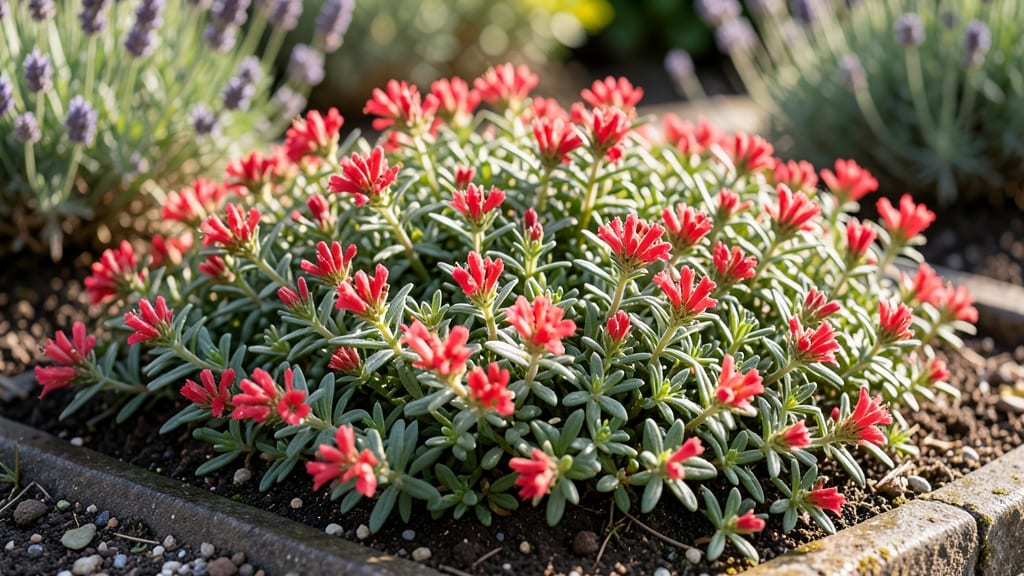
The red creeping thyme bloom time is a showstopper in late spring, when its vibrant flowers transform gardens into a sea of color—but only if you plant the right cold-hardy varieties.
If you love the vibrant red blooms of creeping thyme but worry about frost killing your garden, you’re in luck—certain cold-hardy varieties not only survive winter but rebound with stunning spring flowers.
In USDA Zone 6a, where frost lingers until mid-April, timing is everything. Planting in March or early April ensures your 🌿 Red Creeping Thyme gets a head start, while proper pruning and sunlight exposure can extend those blooms well into early summer.
Below, I’ll break down the exact seasonal timeline, the best frost-resistant varieties, and the simple care tricks that turn a short-lived spring display into a long-lasting garden highlight.
When does red creeping thyme bloom? Seasonal timeline for cold-hardy varieties
Red creeping thyme (Thymus serpyllum) is a cold-hardy ground cover that rewards gardeners with vibrant red blooms from late spring through early fall. Unlike tender varieties, these hardy types survive winter frost and often rebloom vigorously in spring, making them perfect for USDA zones 4-9.
Understanding their seasonal bloom cycle helps you plan for maximum color and resilience.
The first flush of red flowers typically appears in late May to early June after the last frost date, with continuous blooming through July and August.
Some varieties even produce a fall rebloom in September or October before winter dormancy. This extended flowering period creates a long-lasting carpet of color in sunny gardens.
| Seasonal Stage | Bloom Timeline | Frost Impact | Regrowth Signs |
|---|---|---|---|
| Early Spring | Late April-May | Frost delays blooms | New green shoots emerge |
| Peak Summer | June-August | Heat stress reduces blooms | Continuous red flowers |
| Fall Rebloom | September-October | Early frost stops blooms | New buds form before frost |
| Winter Dormancy | November-February | Hardy varieties survive | Green stems remain |
In cold climates (zones 4-5), red creeping thyme may experience a delayed spring bloom due to late frosts. However, these hardy plants store energy underground during winter, allowing them to rebound quickly once temperatures rise above 50°F (10°C).
Varieties like ‘Coccineus’ and ‘Scarlet Queen’ are particularly resilient, often flowering within 4-6 weeks of spring thaw.
For extended blooming seasons, provide 6+ hours of full sun daily and well-draining soil. Overwatering can delay flowering by encouraging leafy growth over blooms. Instead, water deeply but infrequently—about once every 7-10 days—to encourage robust root systems that support longer bloom periods.
If your red creeping thyme skips blooming in spring, check for overcrowding or nutrient deficiencies. A light application of balanced fertilizer (5-10-10) in early spring can stimulate flower production without promoting excessive foliage growth. Prune spent blooms in late summer to encourage a fall rebloom before winter sets in.
One of the biggest misconceptions about cold-hardy thyme is that frost kills the plant entirely. In reality, these varieties go dormant but retain their root systems, allowing them to sprout anew in spring.
The key to success is choosing hardy varieties and providing adequate winter mulch (2-3 inches) to protect roots from extreme cold.
In my own Zone 5 garden, I’ve seen red creeping thyme recover from -20°F (-29°C) winters with minimal care. The secret? Planting in raised beds with gravelly soil ensures drainage, while a thin layer of straw mulch prevents soil heaving during freeze-thaw cycles.
This simple approach preserves the plant’s vigor for next season’s blooms.
For gardeners in warmer zones (6-9), the main challenge is preventing summer dormancy. If your thyme stops blooming in mid-summer, it may be heat-stressed. Provide afternoon shade during peak heat waves and water deeply to encourage continuous flowering.
In these regions, fall blooms are especially prolonged, lasting until the first hard frost.
To maximize your red creeping thyme’s bloom time, start
Best cold-hardy red creeping thyme varieties that rebound after frost
If you're dreaming of a vibrant red carpet of blooms that survives winter, you need the right cold-hardy creeping thyme varieties. These tough plants not only endure frost but bounce back with earlier and more abundant blooms each spring.
The key lies in selecting varieties bred for resilience, like ‘Coccineus’ or ‘Scarlet Queen’, which thrive in USDA Zones 4-9.
What sets these varieties apart is their ability to regrow quickly after frost—some even bloom earlier than non-hardy types. Their deep root systems protect them from freeze-thaw cycles, while their woody stems prevent damage. Let’s explore the top performers and how they compare for your climate.
Red Creeping Thyme Bloom Time Comparison
‘Coccineus’
Bloom Time: Late May–July
Hardiness: Zones 4-9
Recovery: Fast (3-4 weeks post-frost)
Pros: Vigorous, drought-tolerant, longest bloom season
Cons: Can spread aggressively
‘Scarlet Queen’
Bloom Time: June–August
Hardiness: Zones 5-9
Recovery: Moderate (4-6 weeks post-frost)
Pros: Denser foliage, slower spread
Cons: Shorter bloom window
‘Elfin’
Bloom Time: Late June–September
Hardiness: Zones 5-8
Recovery: Slow (6-8 weeks post-frost)
Pros: Compact growth, ideal for borders
Cons: Less cold-tolerant than others
For Zone 4 gardeners, ‘Coccineus’ is the clear winner—it blooms earliest and recovers fastest after frost. In warmer Zones 8-9, ‘Elfin’ offers a longer bloom season but requires light winter mulch to protect its roots.
Meanwhile, ‘Scarlet Queen’ strikes a balance, ideal for USDA Zone 5-7 where winters are crisp but not extreme.
All three varieties benefit from spring pruning to encourage new growth and extended bloom time. Cut back 1/3 of the plant in early spring before new shoots emerge. This trick not only boosts flowering but also prevents woody stems from forming, keeping your thyme lush and vibrant.
One common misconception is that frost kills creeping thyme. In reality, these hardy varieties often look worse than they are after a freeze—they may brown but regrow from the roots.
To help them recover faster, remove dead foliage in early spring and water lightly to encourage new growth without over-saturating the soil.
For maximum frost resilience, pair your creeping thyme with rock mulch or gravel in fall. This insulates roots while allowing water drainage—a critical combo for winter survival. With the right variety and care, your red thyme blooms will outshine the competition year after year.